
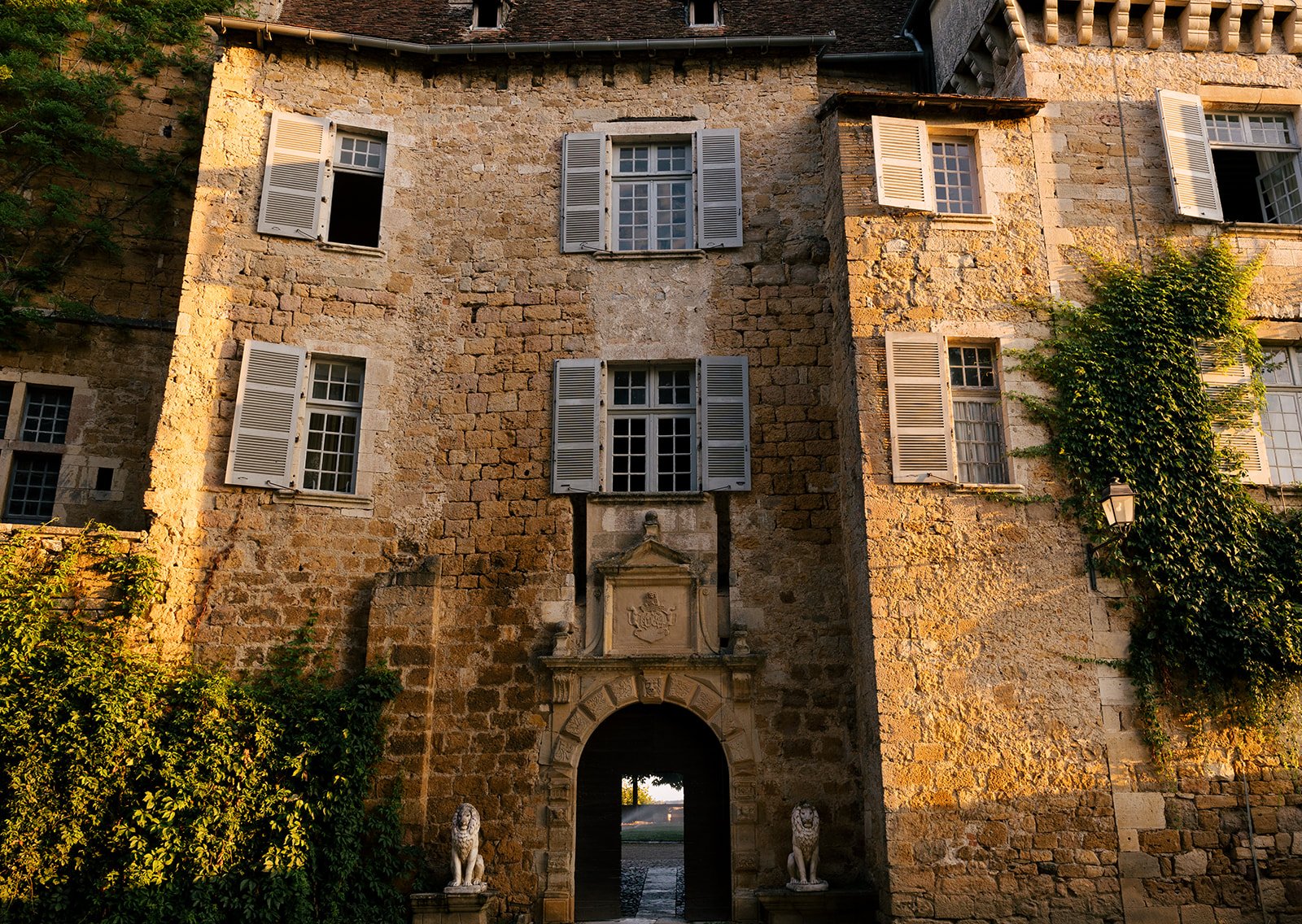
Château de Béduer
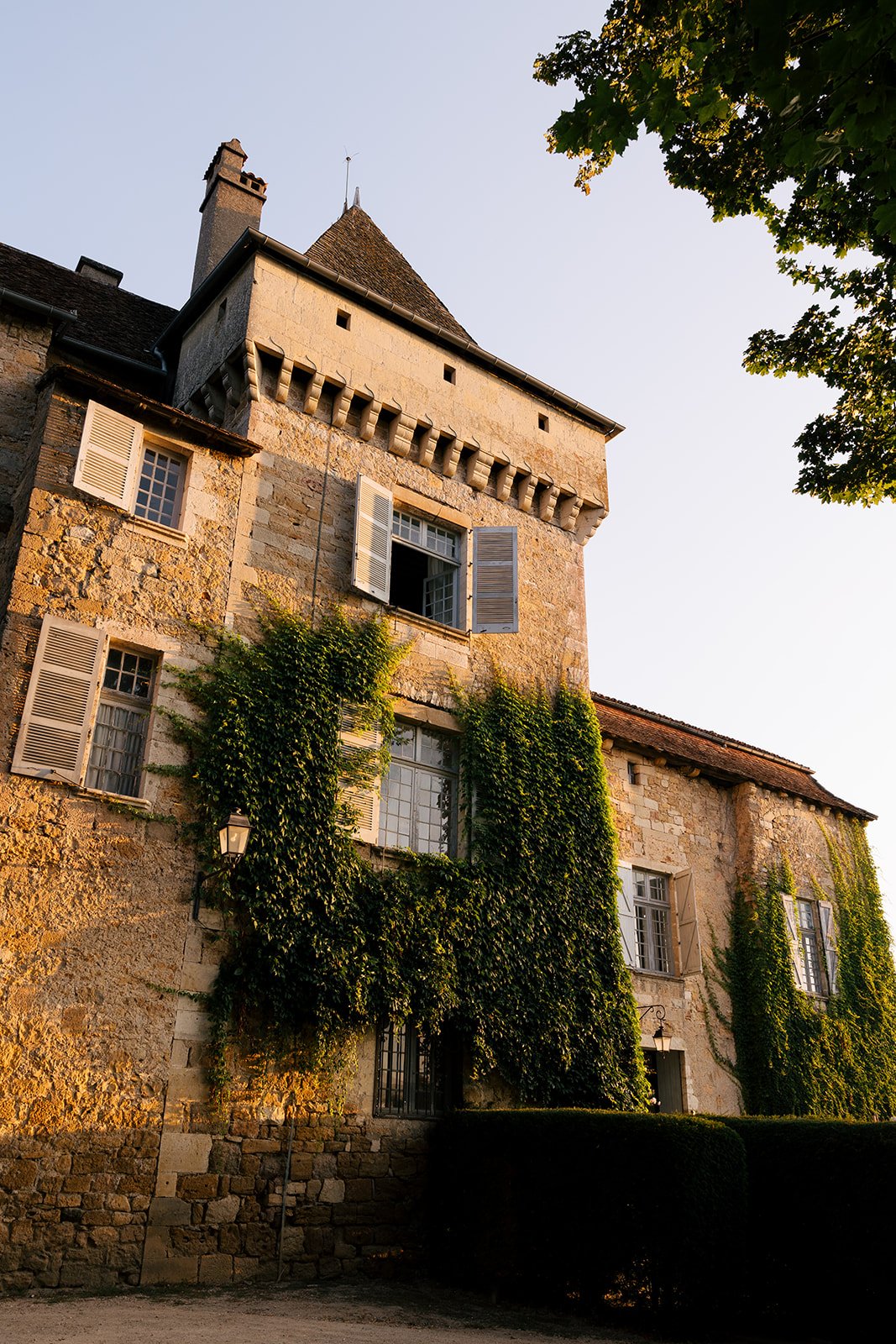
Pronounced “BED-you-ay”
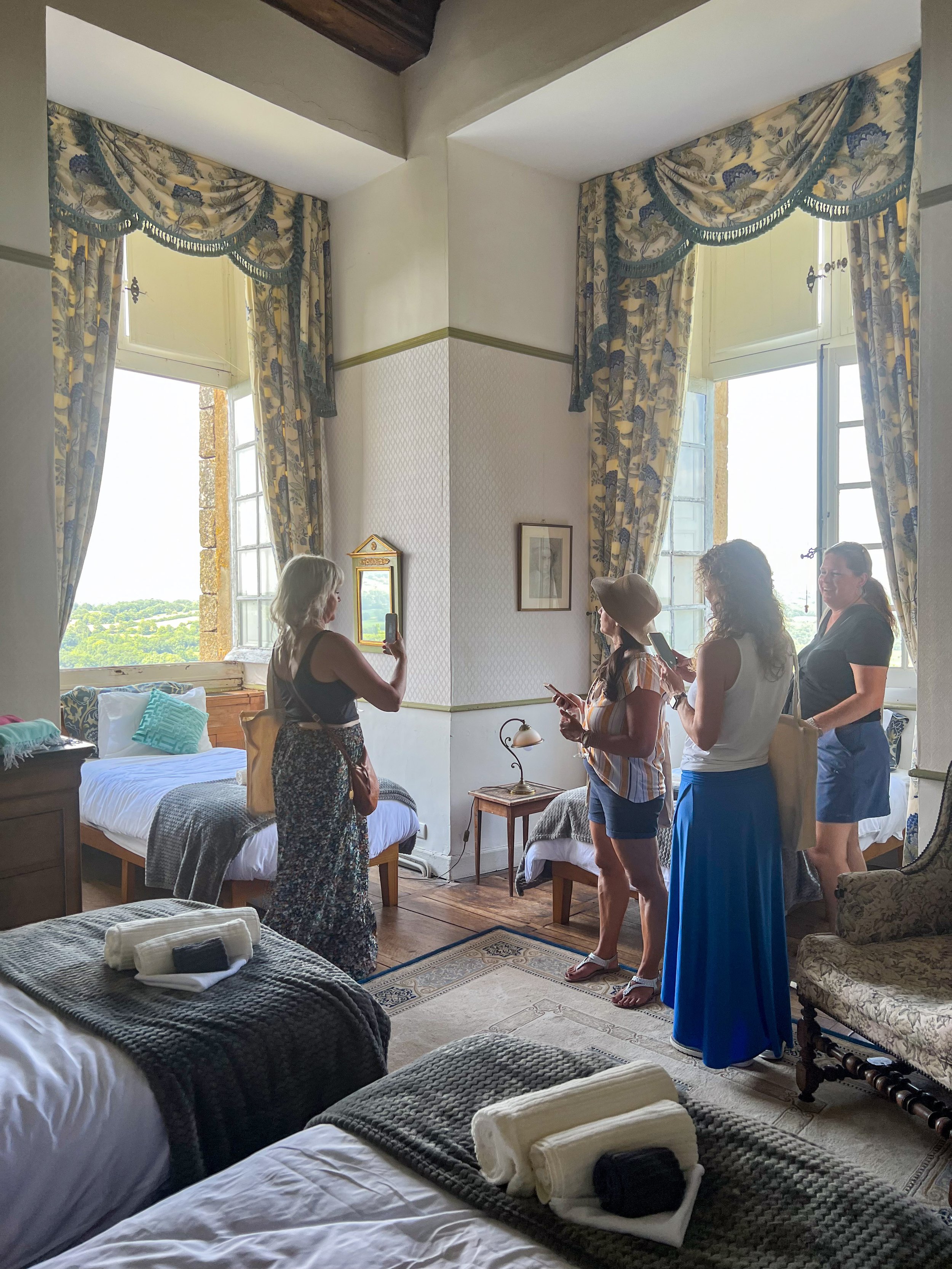
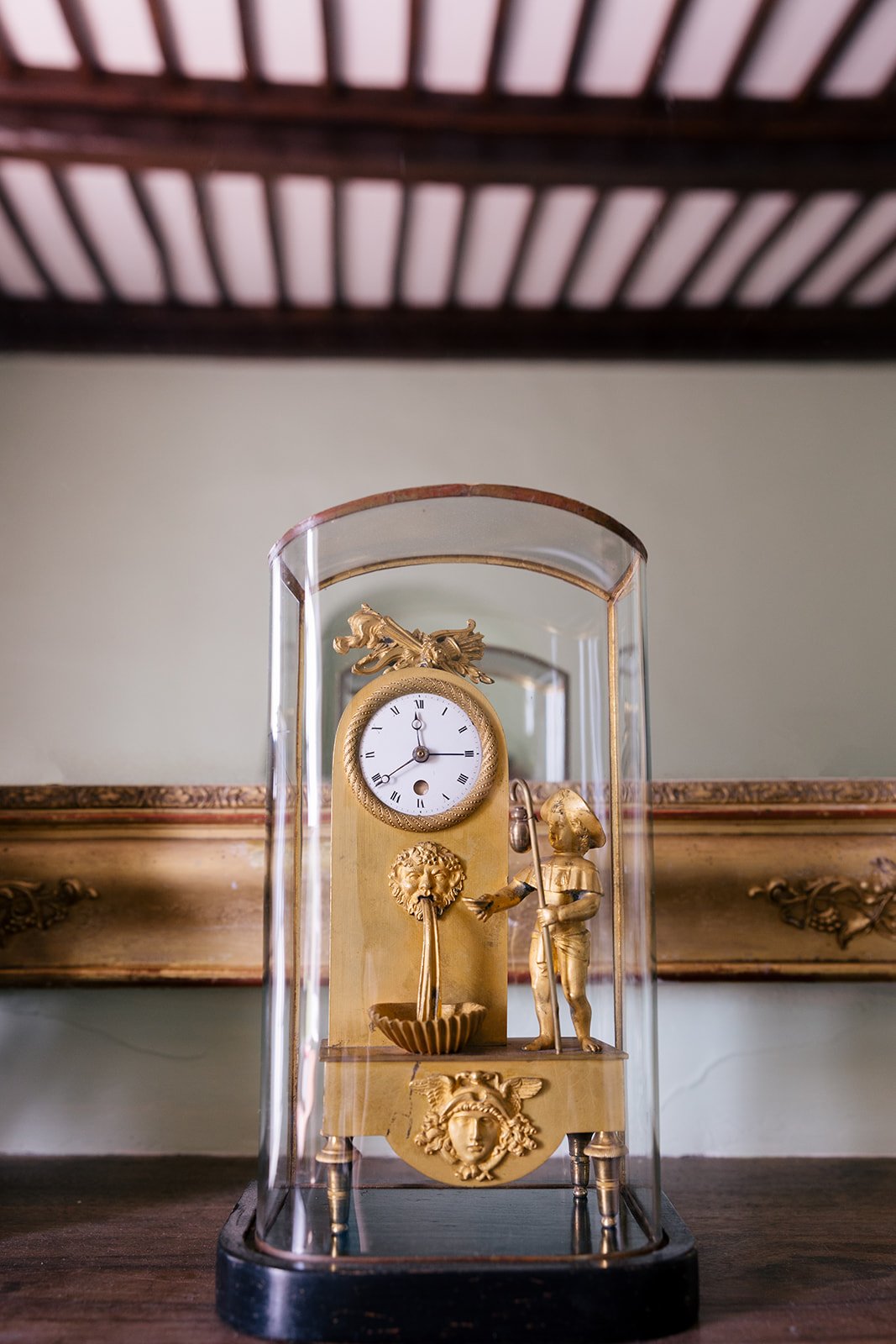
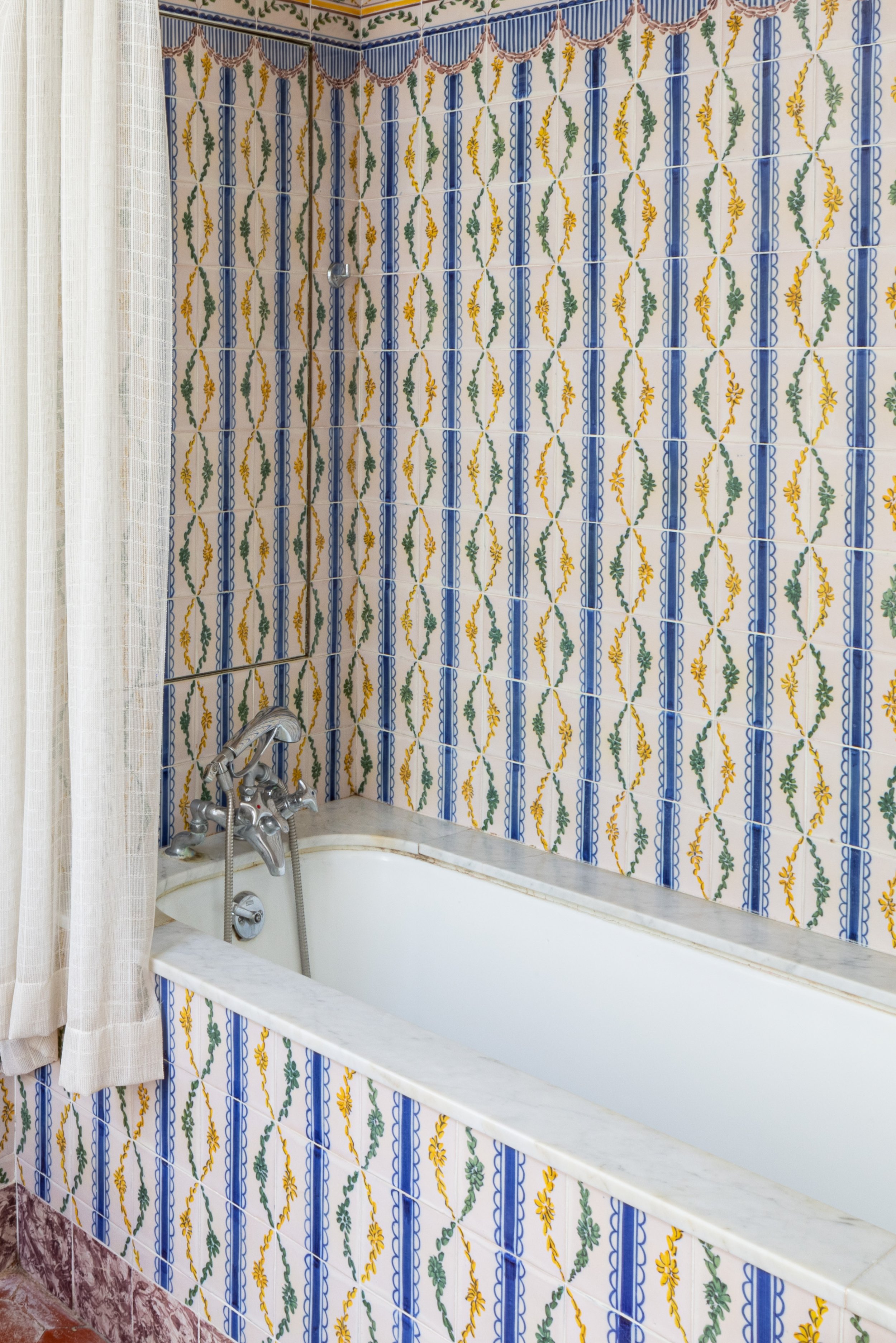
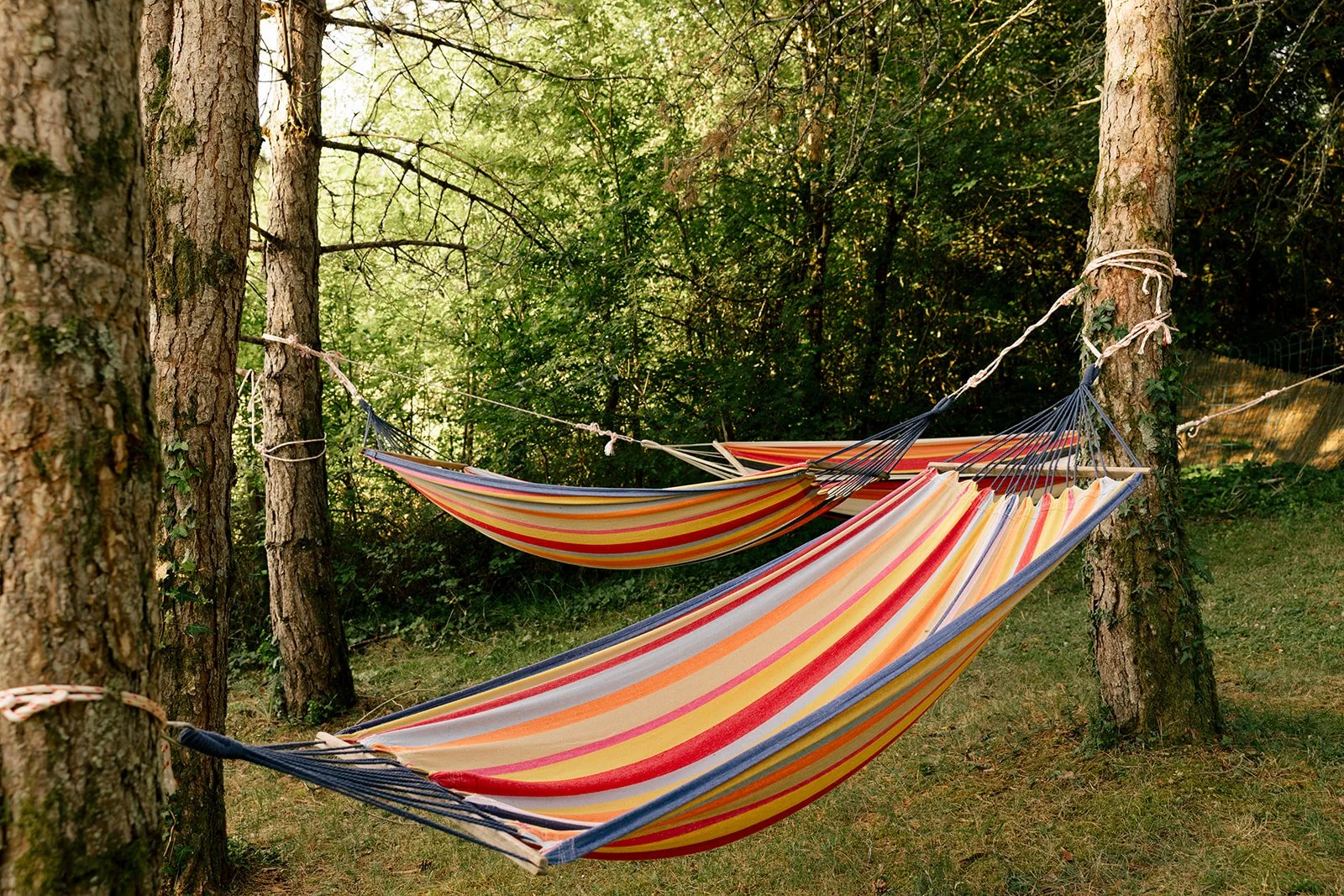
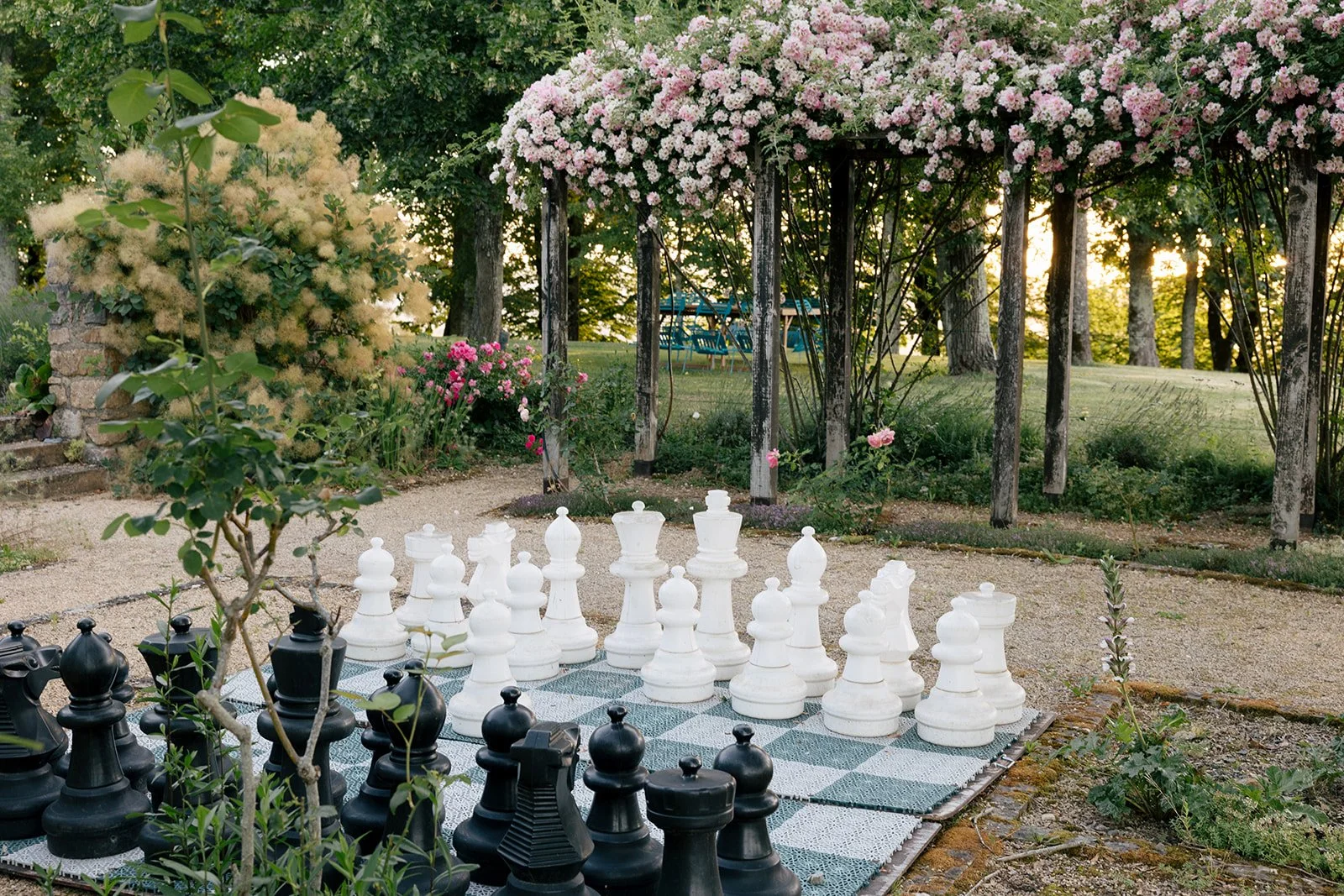
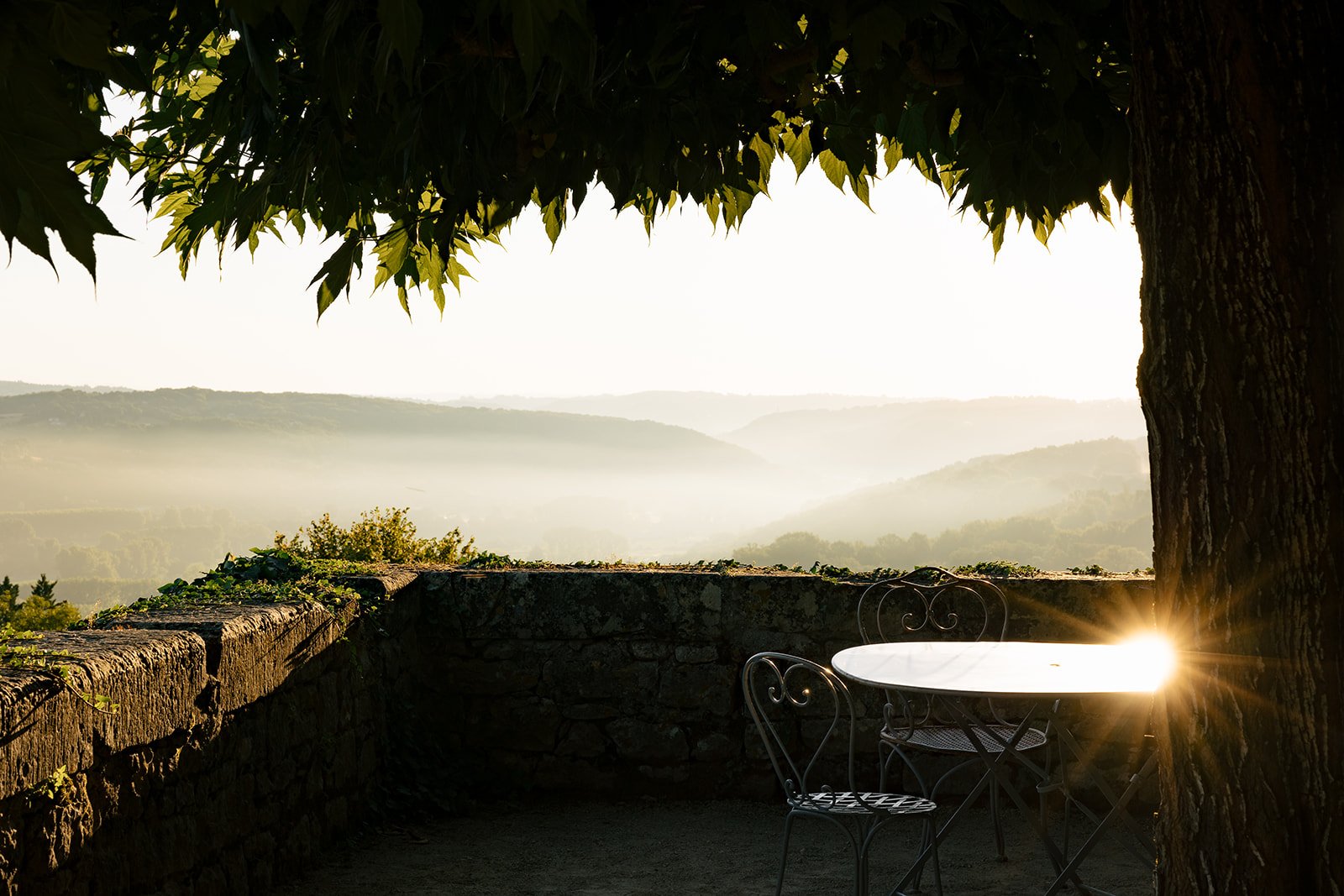
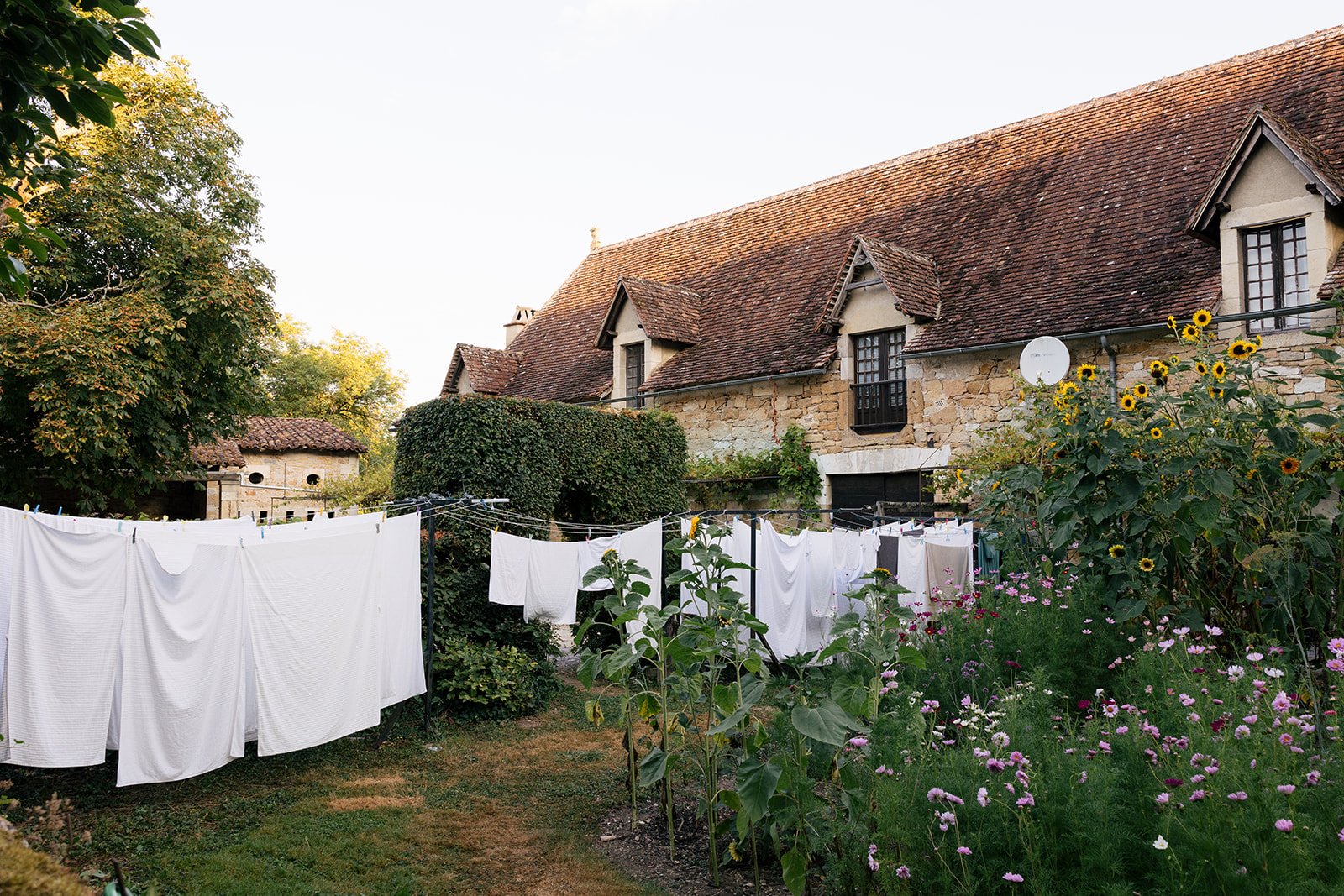
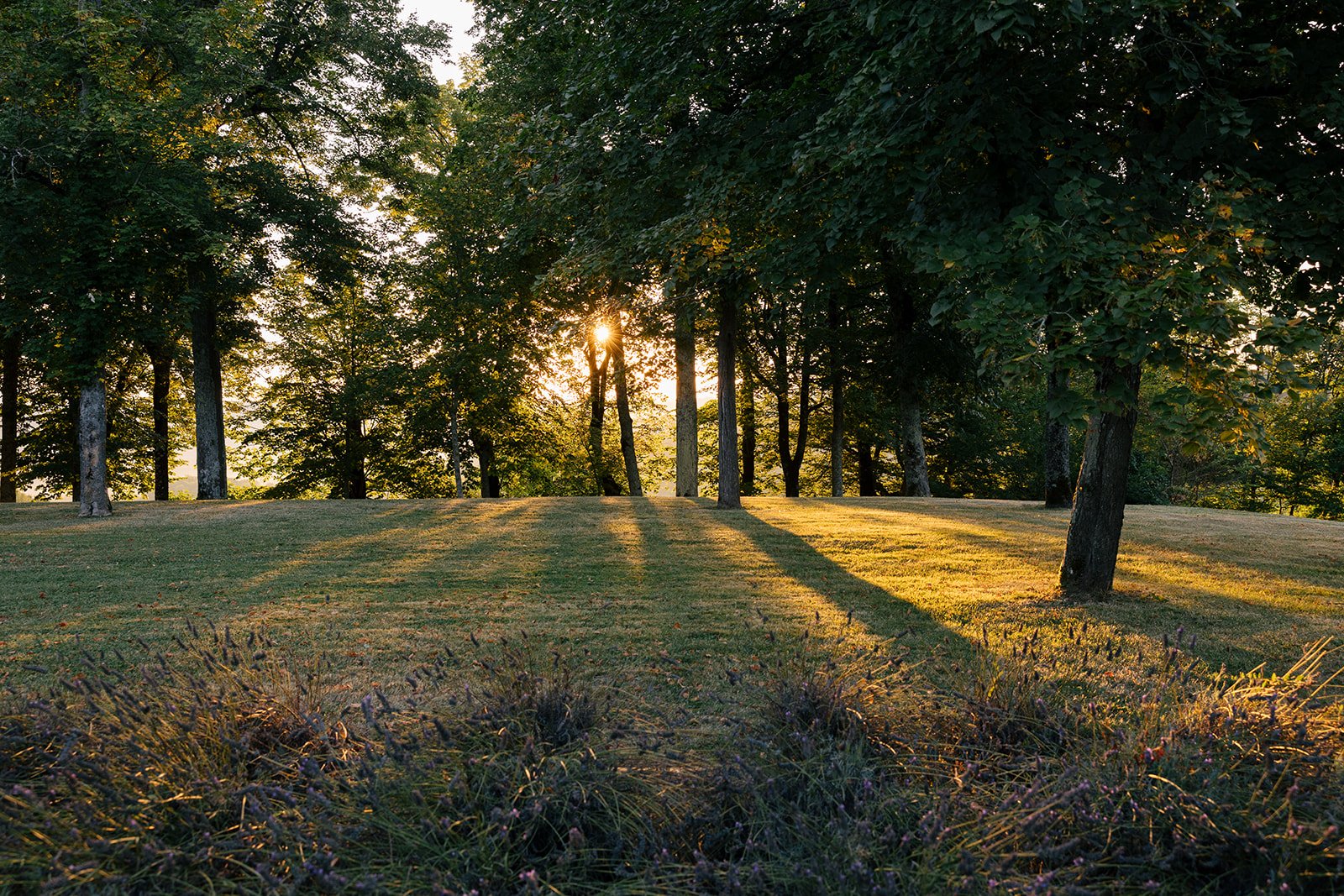
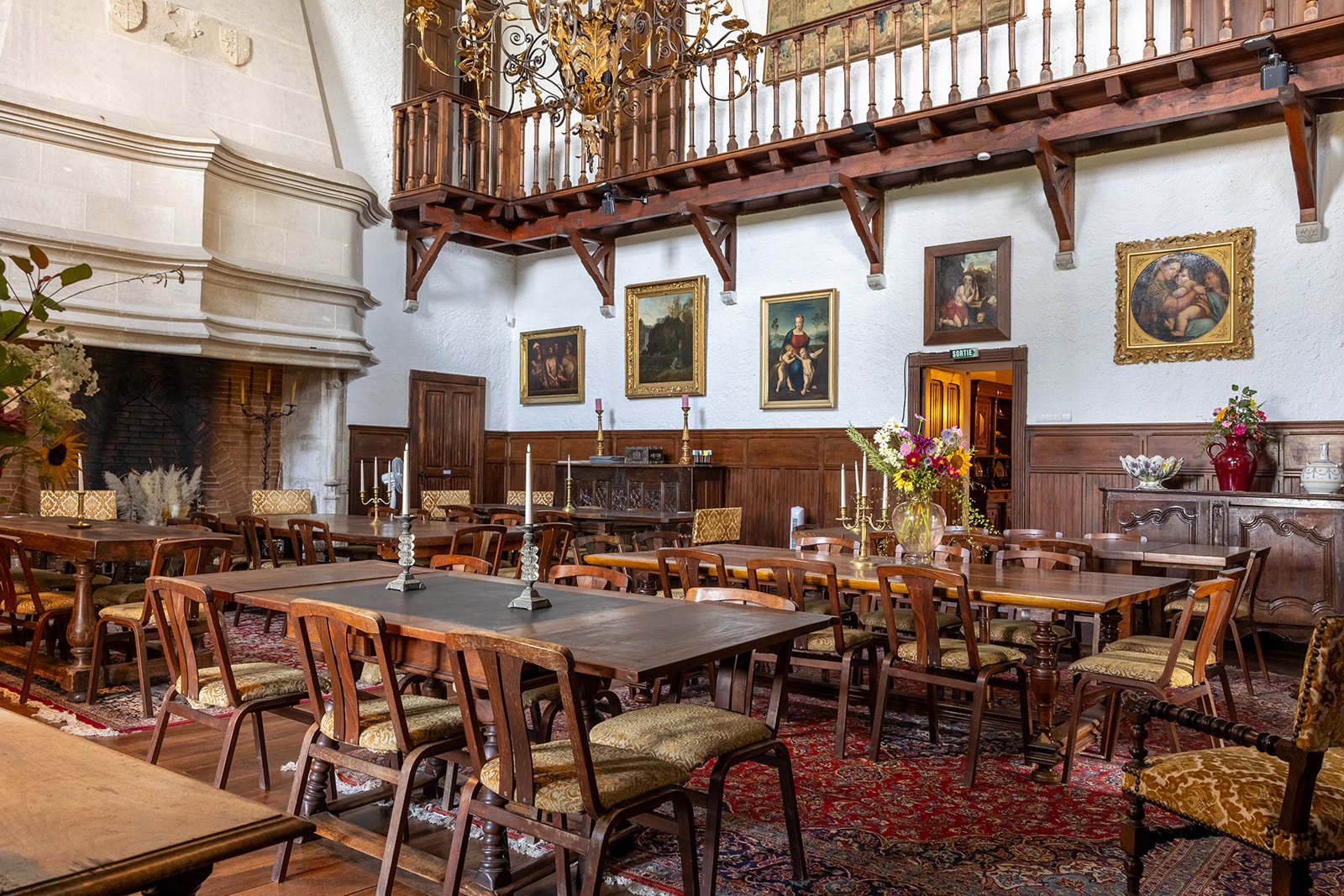
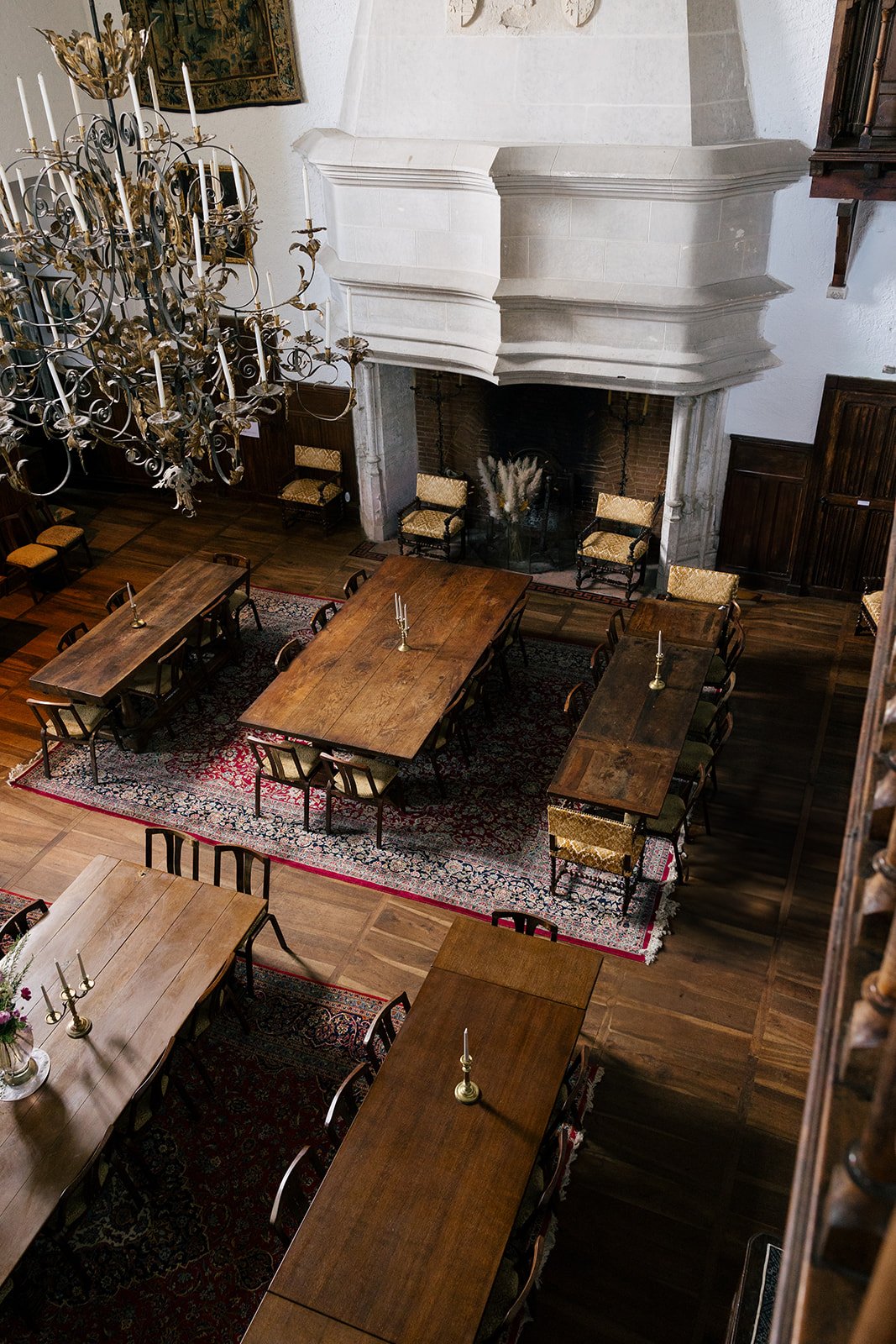
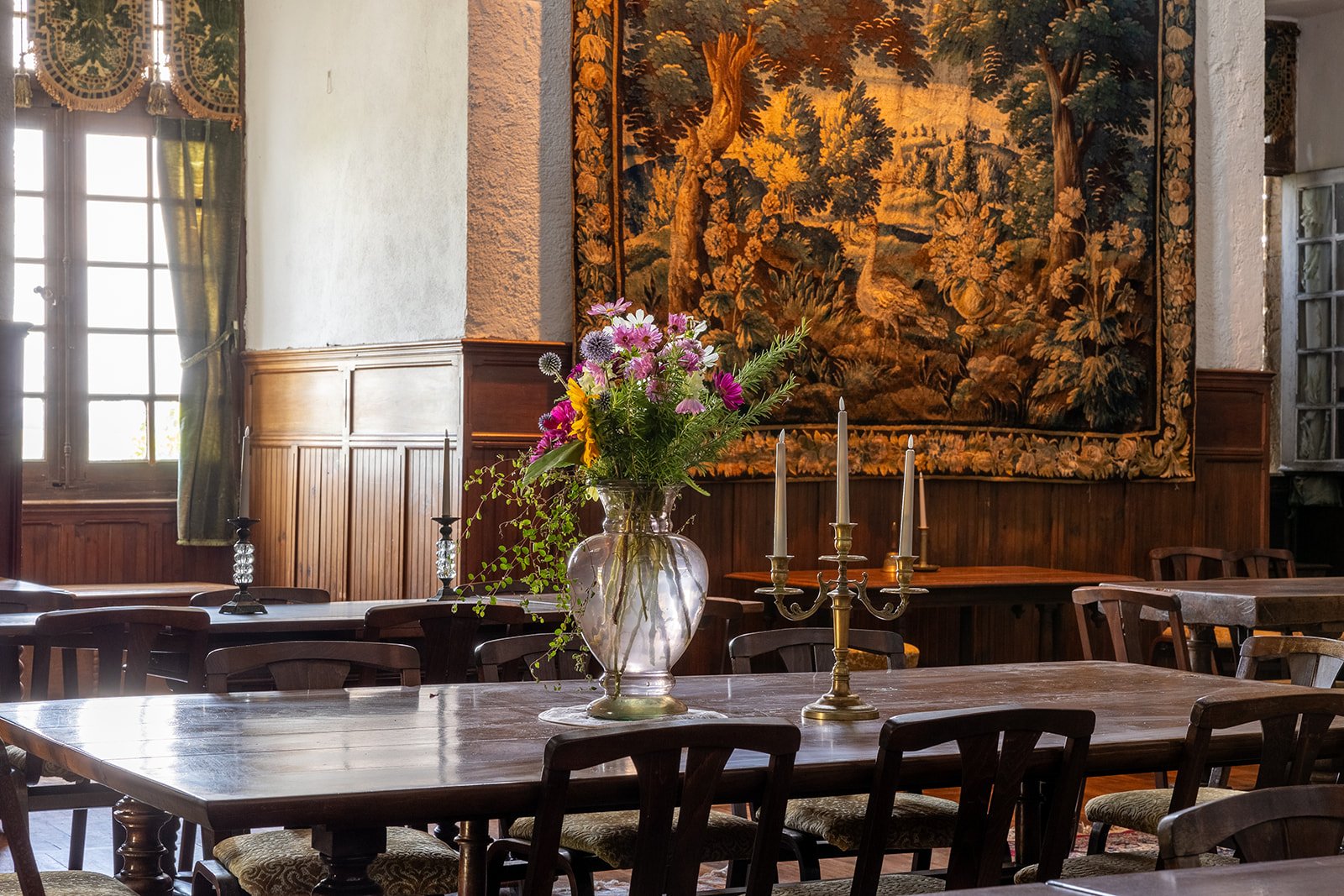
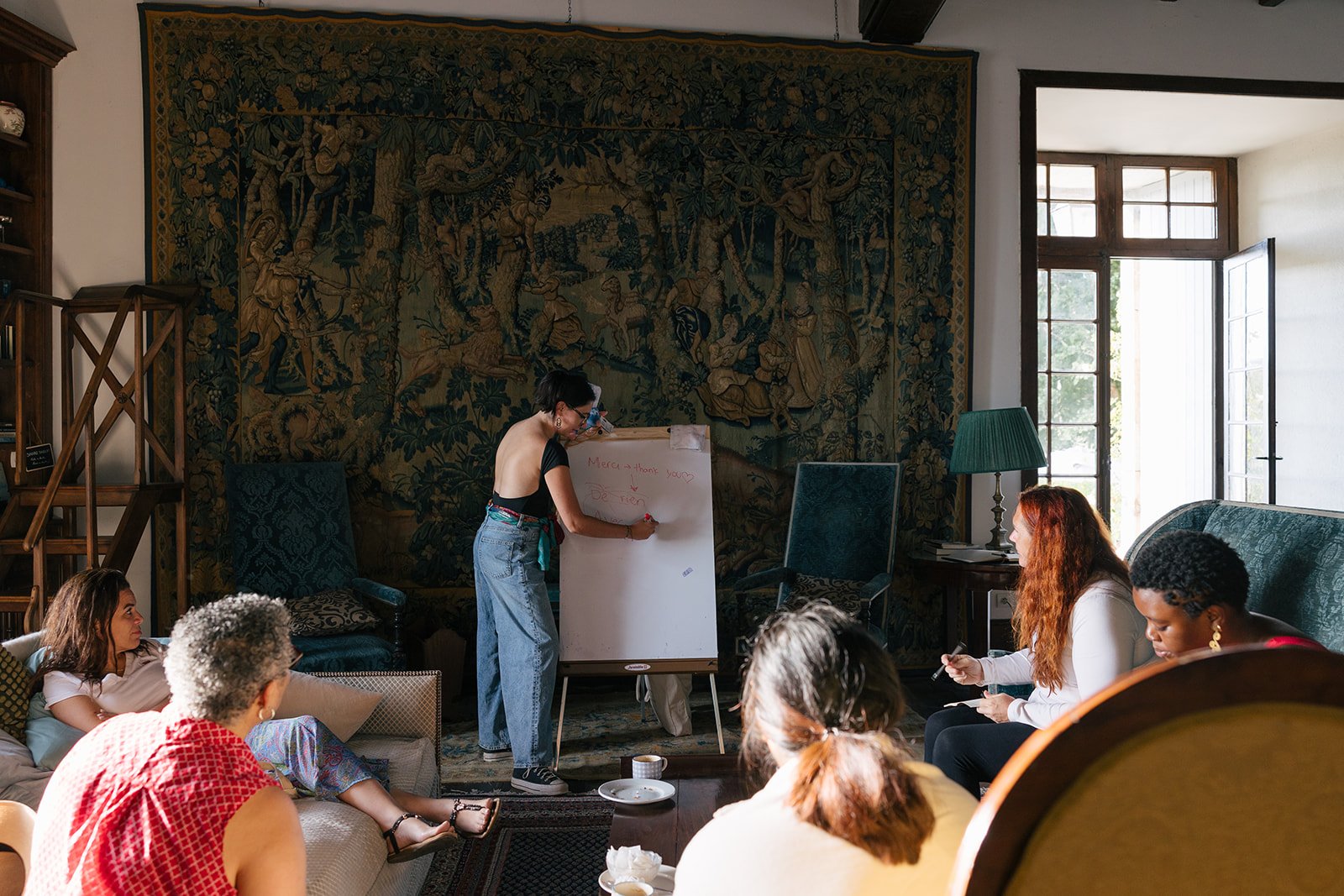
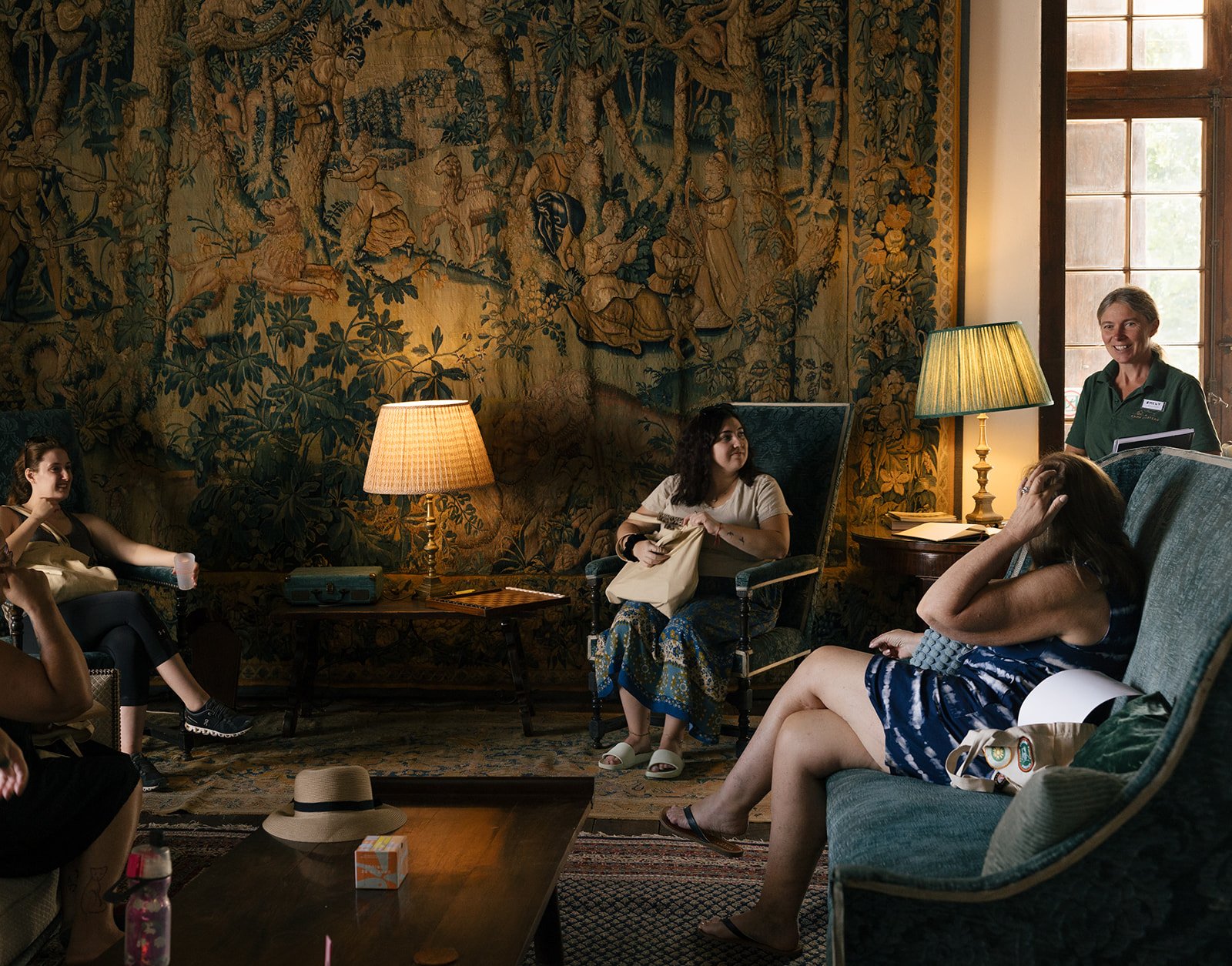
The magic of Château de Béduer welcomes you the moment you arrive. This place belongs to you and your fellow campers. It has a storied past of remarkable women and is nearly 800 years old. It has 20 acres of stunning grounds and gardens for catching a quiet moment or playing outdoors. Its rooms invite you to unwind amidst its dramatic curtains, elaborate imported tiles, and antique (and slightly lumpy) sofas.
Jump to…
“At Béduer I don’t read, I don’t write, I don’t think, I don’t move, I am content to feel well and to taste every instant that passes, the ripe plums and the mist.”
— Jean Chalon, French journalist and biographer
The Accommodations
Each bunkroom is unique and special in it’s own way.


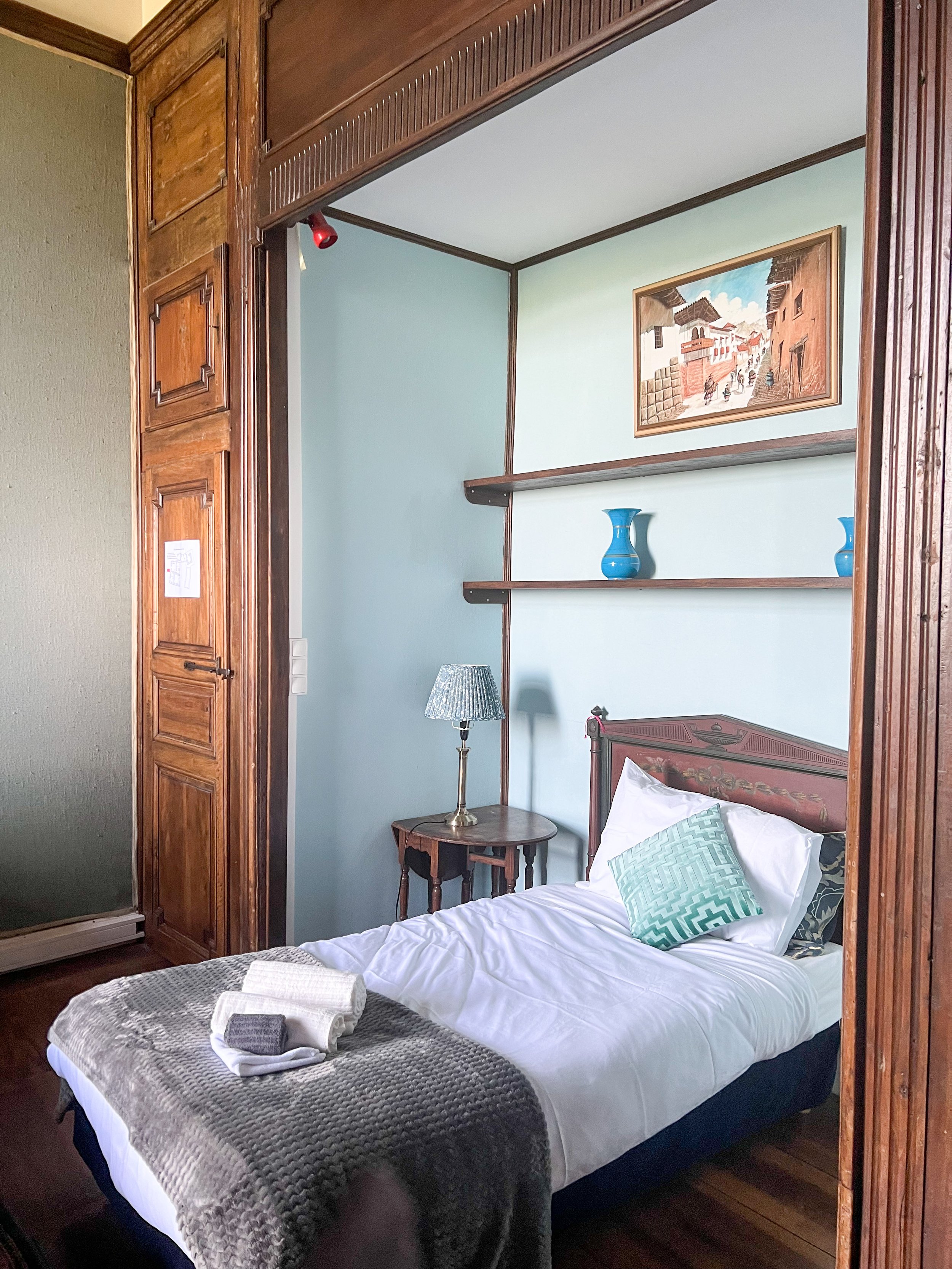
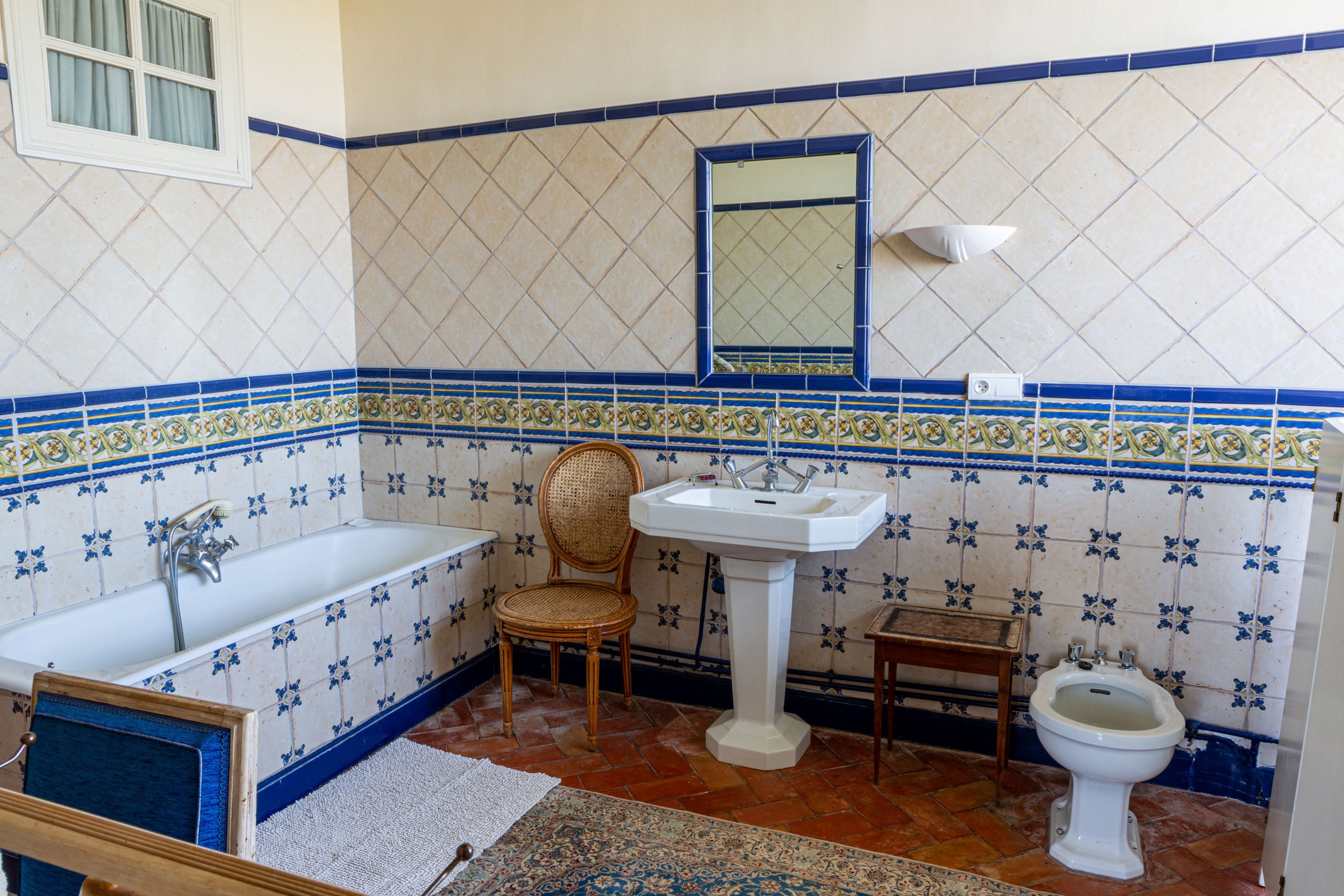
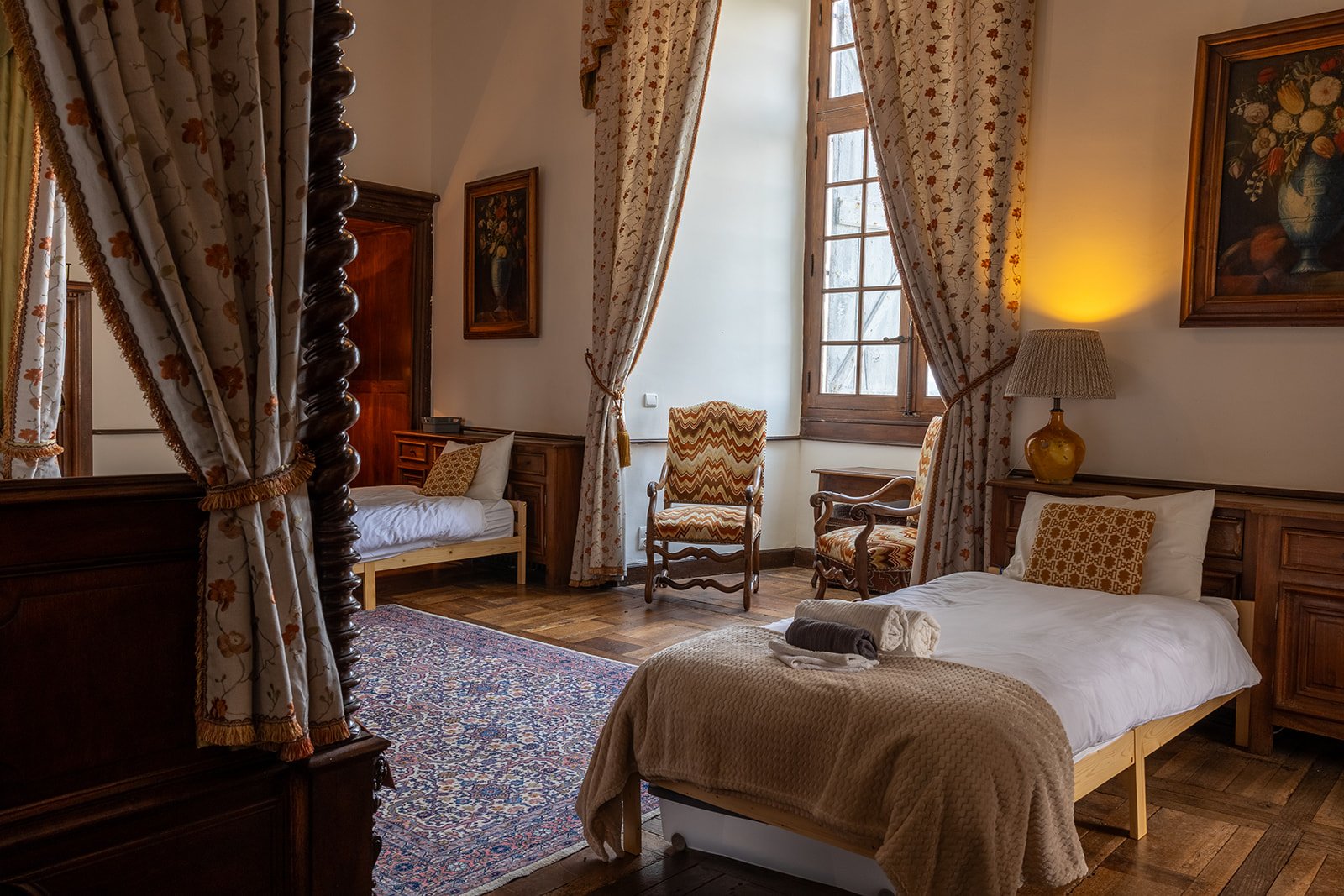
Our 13th century Château has 7 bunkrooms total. Each château bunkroom has 5-8 twin beds (not bunkbeds). All bunkrooms have large windows, beautiful original decor and gorgeous views over the Célé valley or château grounds. Each bunkroom has an ensuite bathroom with antique hand painted portuguese tiles and a WC.
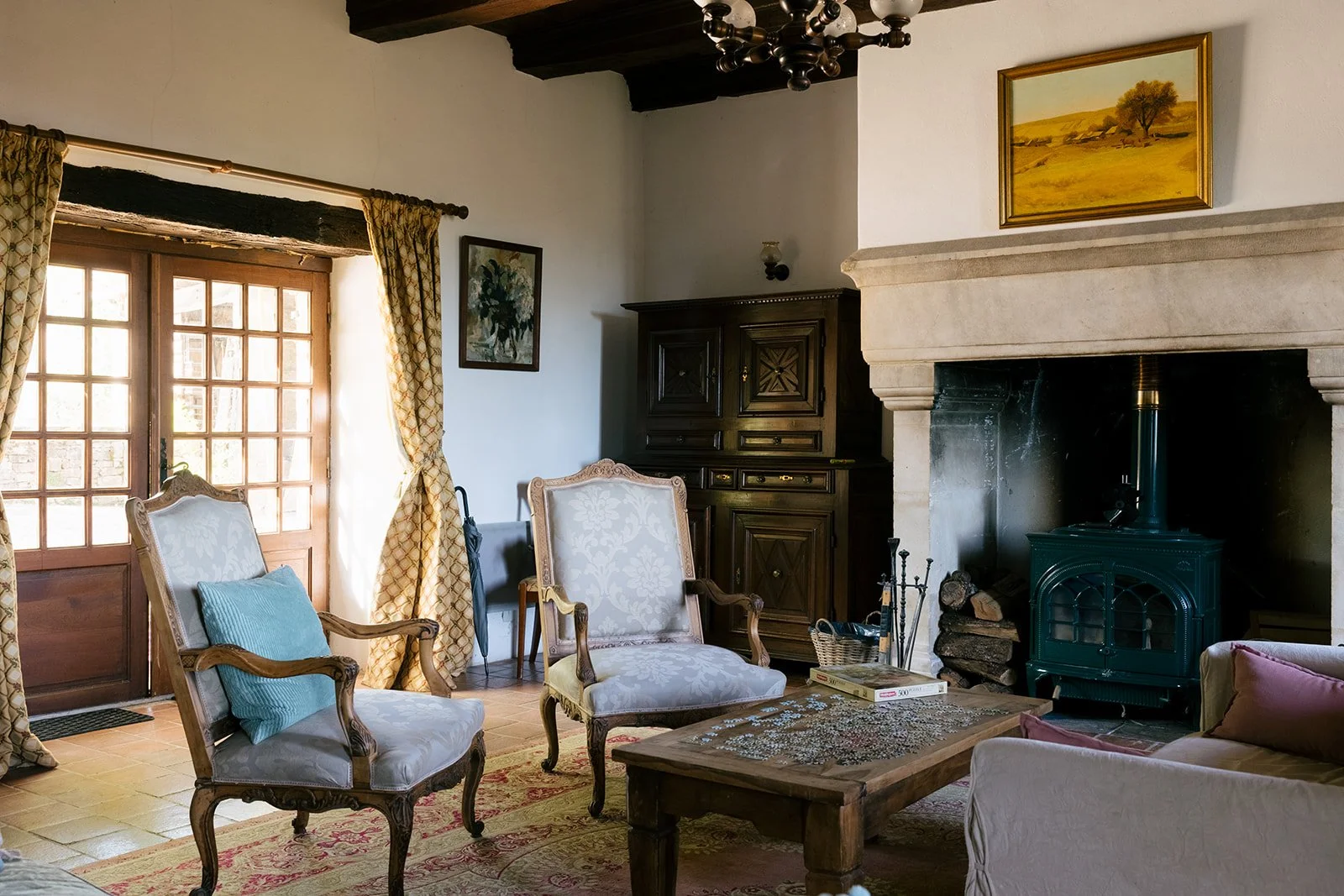
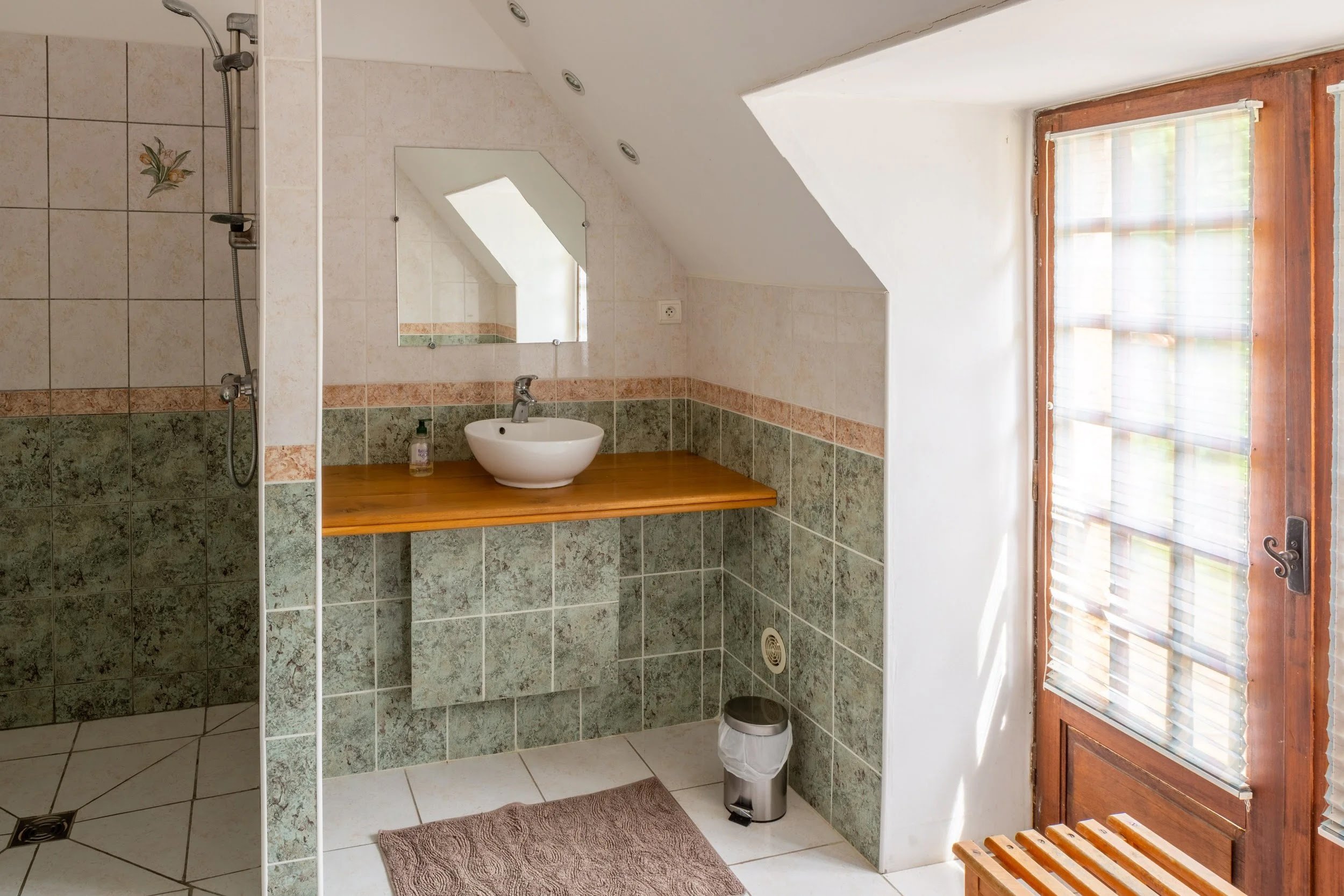
La Grange is our 19th Century farmhouse and it has 3 smaller and more modern bedrooms. Each La Grange bunkroom has 3-4 twin beds (not bunkbeds) and every room has stunning views over the Célé Valley, its own modern en-suite bathroom and a separate WC.
-
There are an additional 3 showers and 2 WC in the château as well as a shower and WC at the poolhouse.Hanging space and under-bed storage.
USB & USB-C Charging Stations.
Private bunk bathrooms and a personal storage area for toiletries.
Bathrooms are equipped with toiletries and linens.
Hair dryers and irons are available.
Shared shower room with 3 showers for additional options.
Wi-Fi in the common area
Private on-site parking
Laundry services for an extra fee.
Extra fans and lamps.
European outlets.
-
Curious about safety?
The property is fully secured with an alarm system, and locks on all external points of access.
We have at least one staff member overnight in the building. We have an emergency driver available at all times.
There is always a way to access a staff member in an emergency through our walkie talkie systems or calling our cellphones.






The Grounds
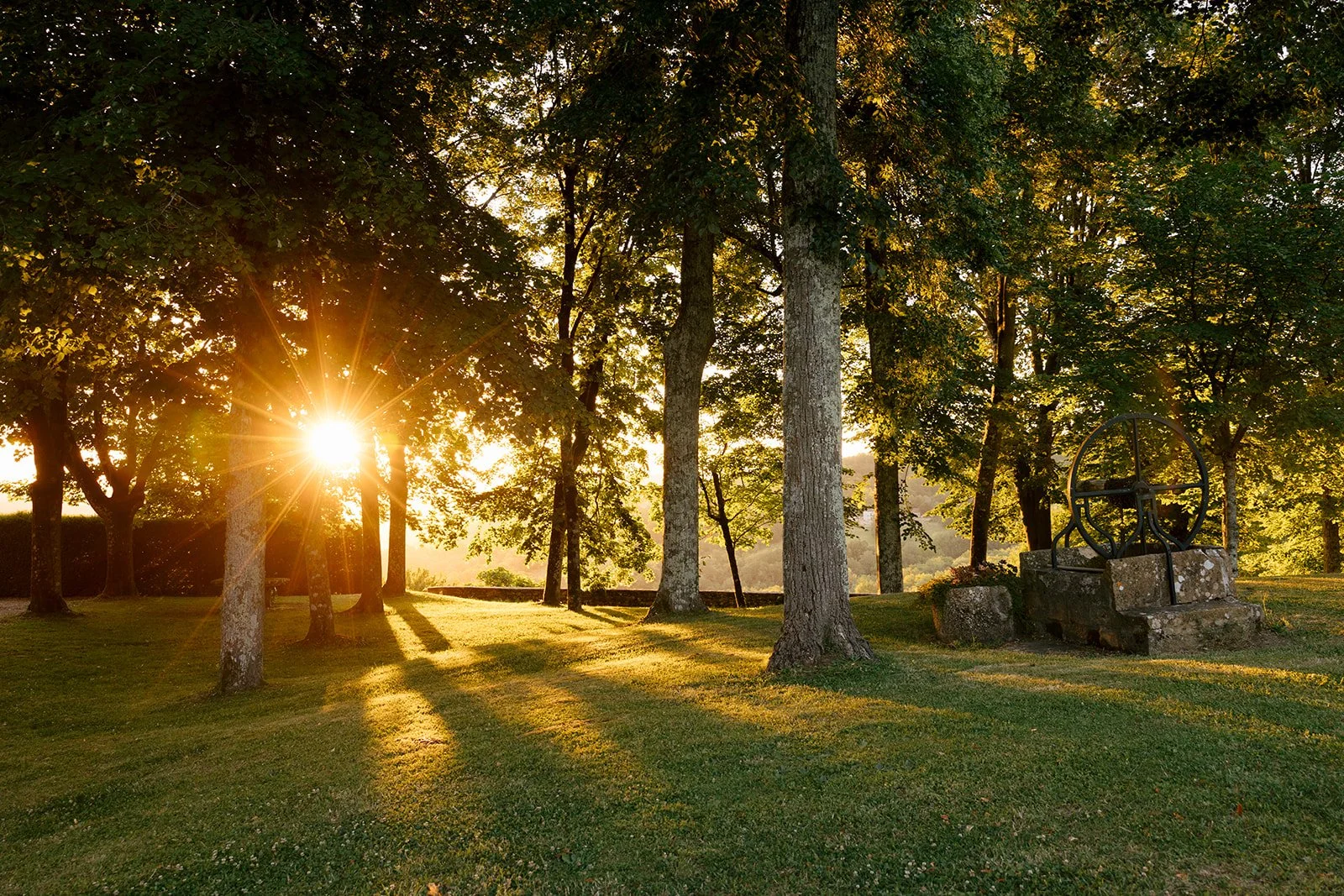
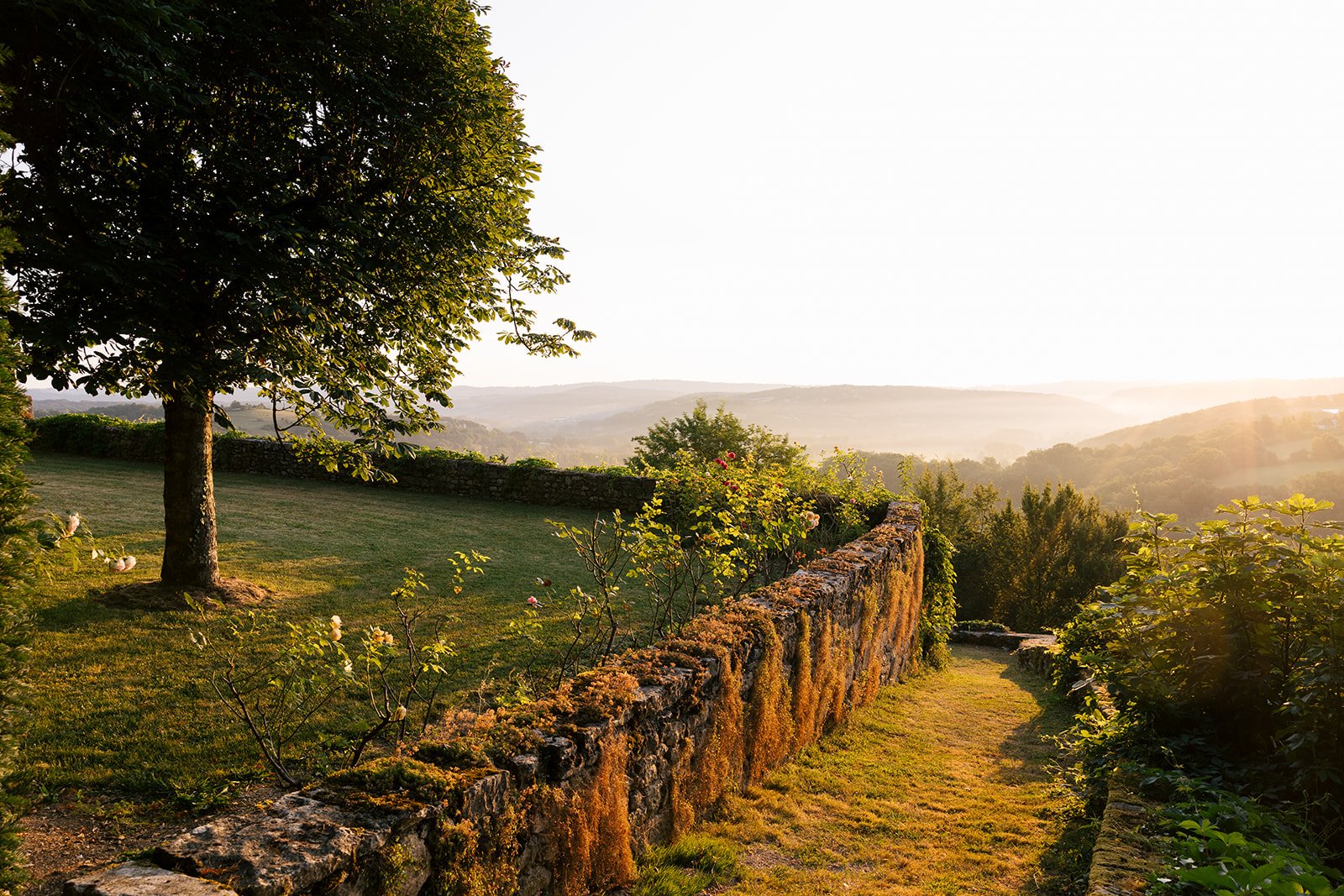
A branch of the Camino de Santiago, the UNESCO World Heritage-listed ancient pilgrimage route running to Santiago de Compostela in Spain, goes directly past the Château. This special route is accessible at the top of the hill. Here are some other details about the property:
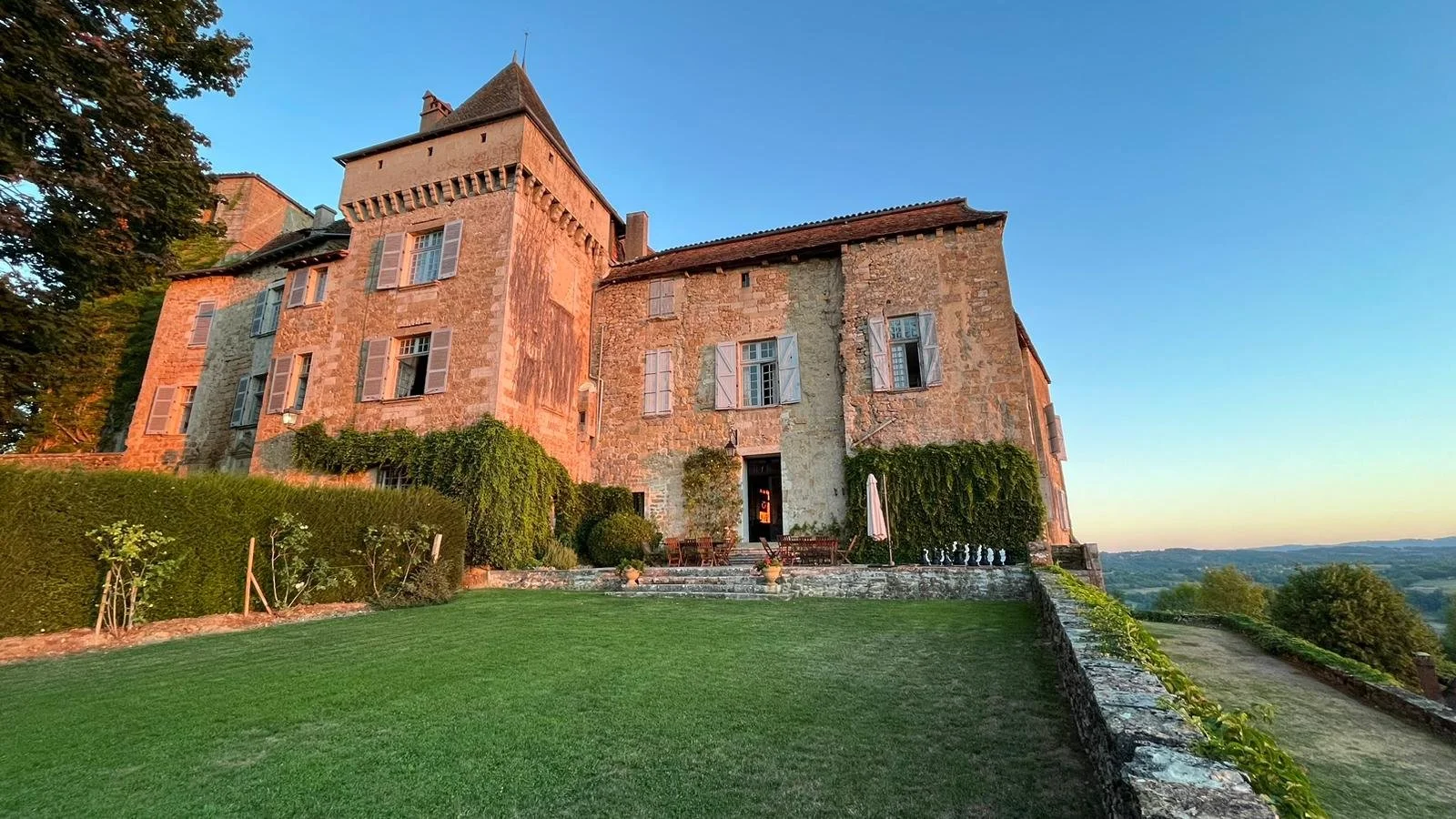
The Château is the tallest point in the region as far as the eye can see.
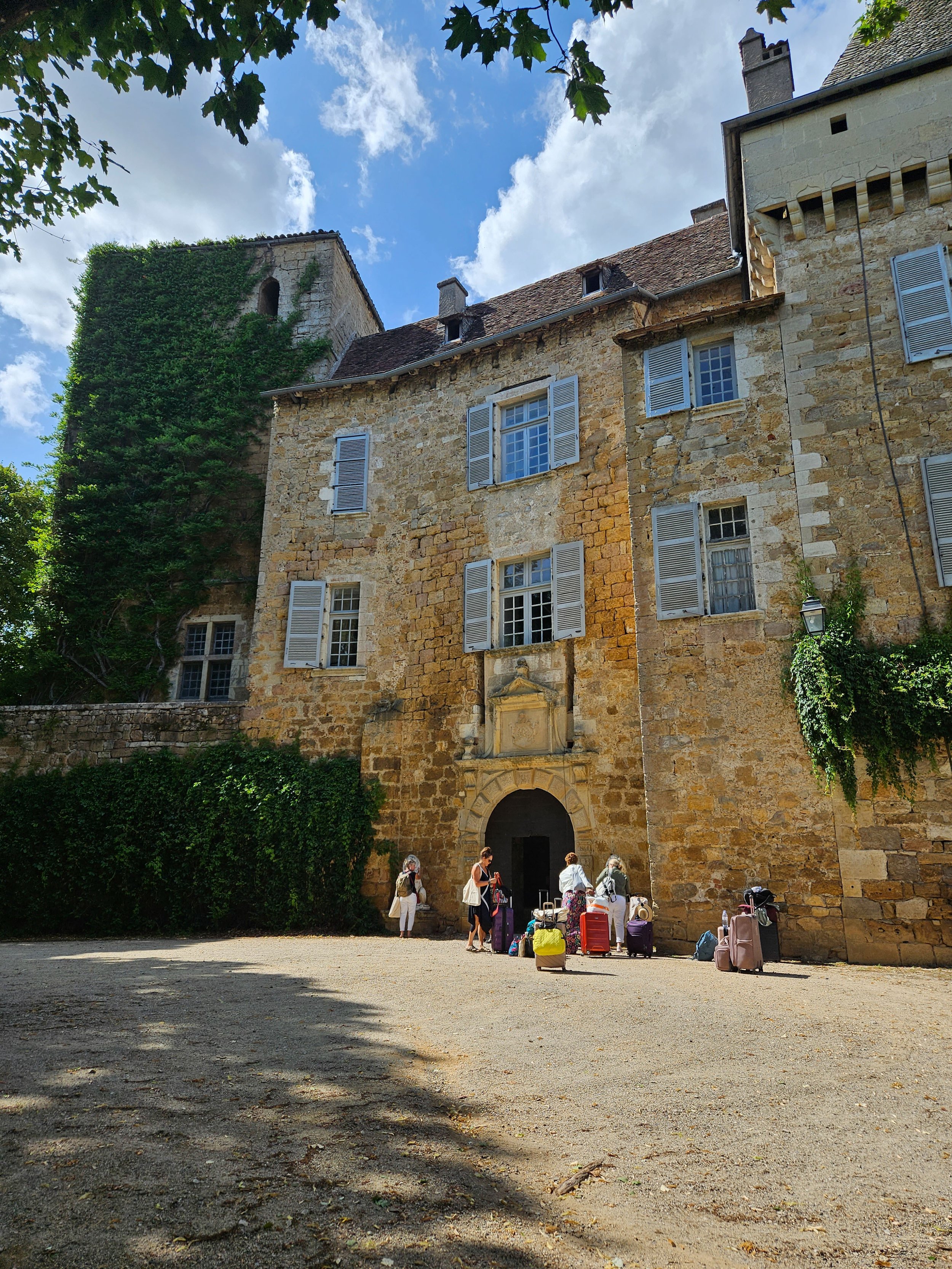
It has a historic tower and is an exceptional example of a Château fort.
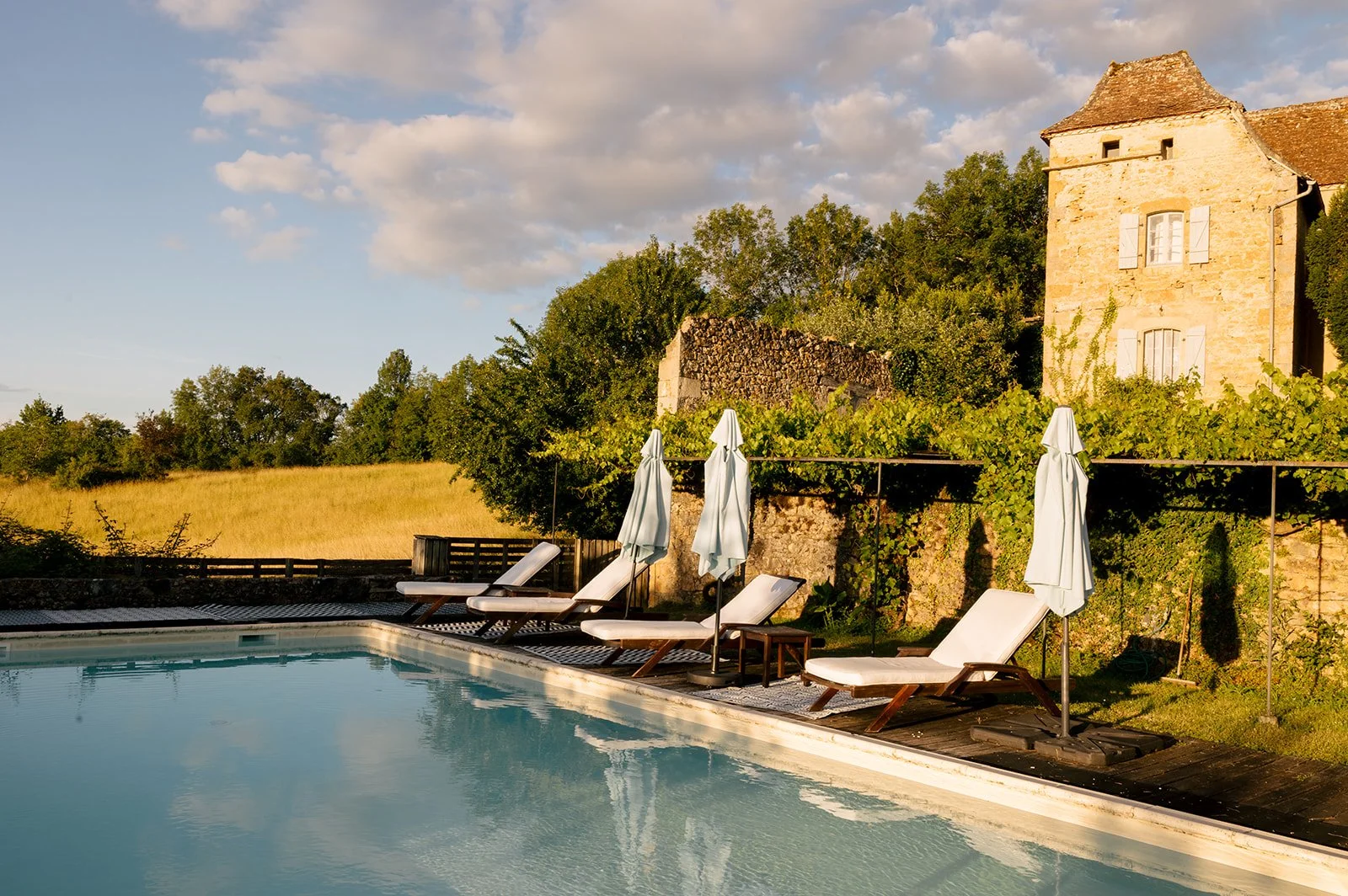
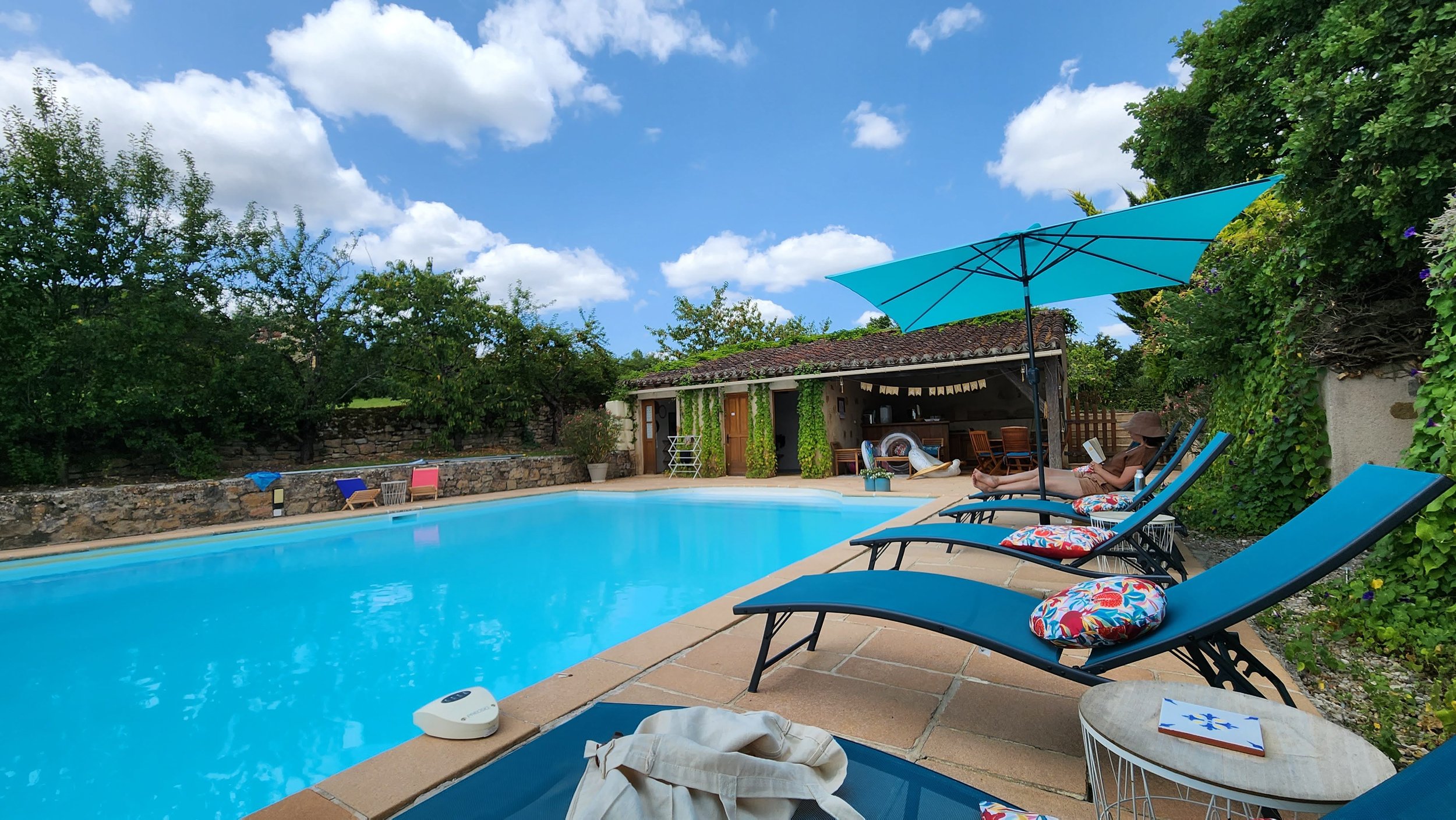
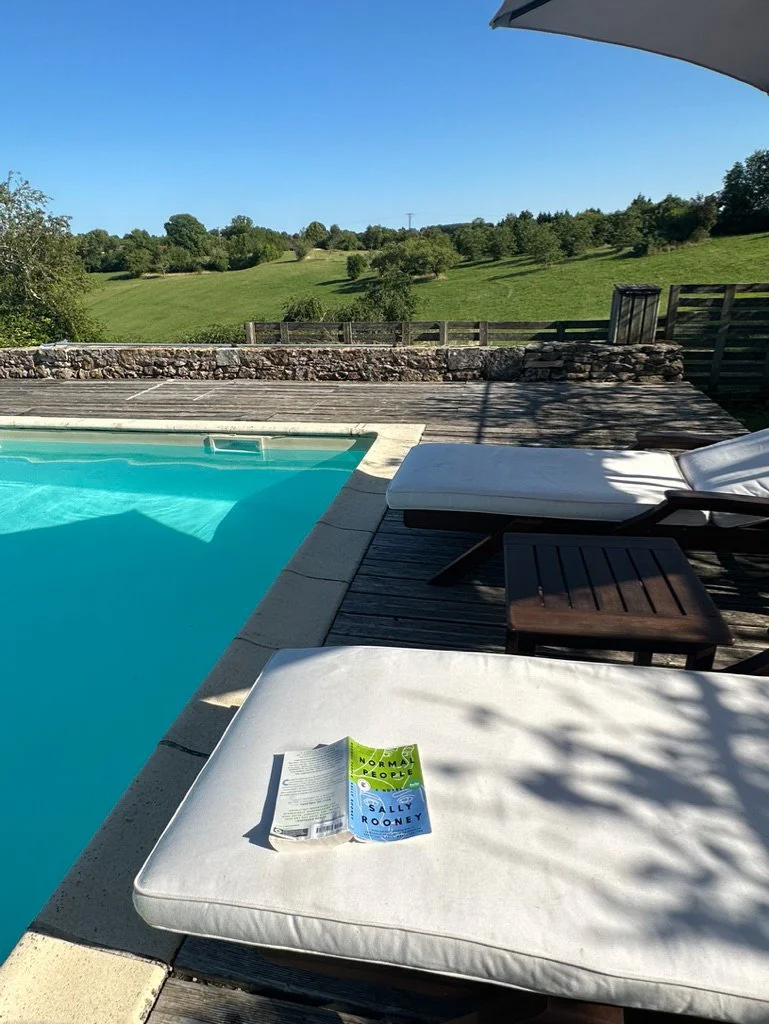
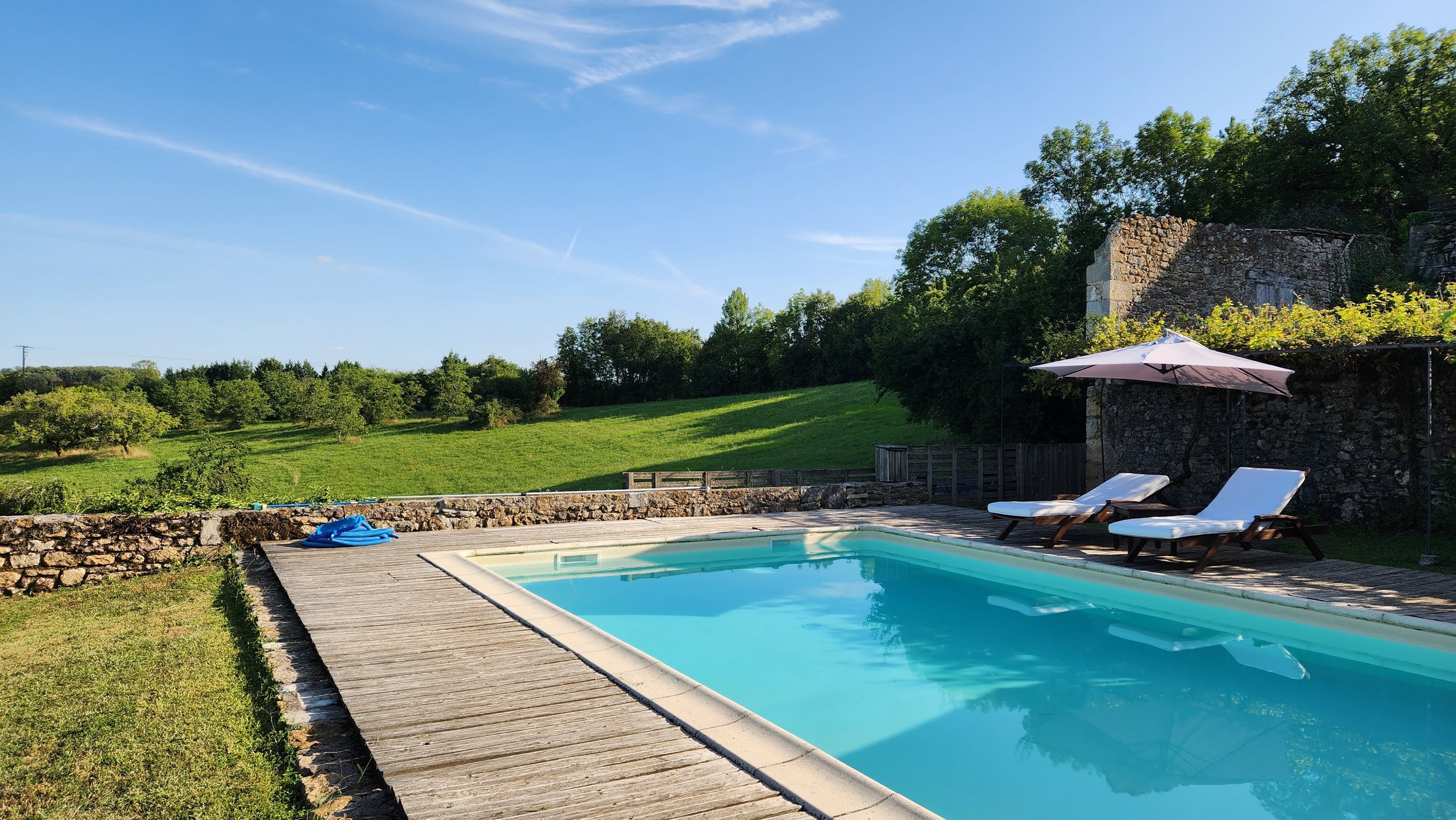
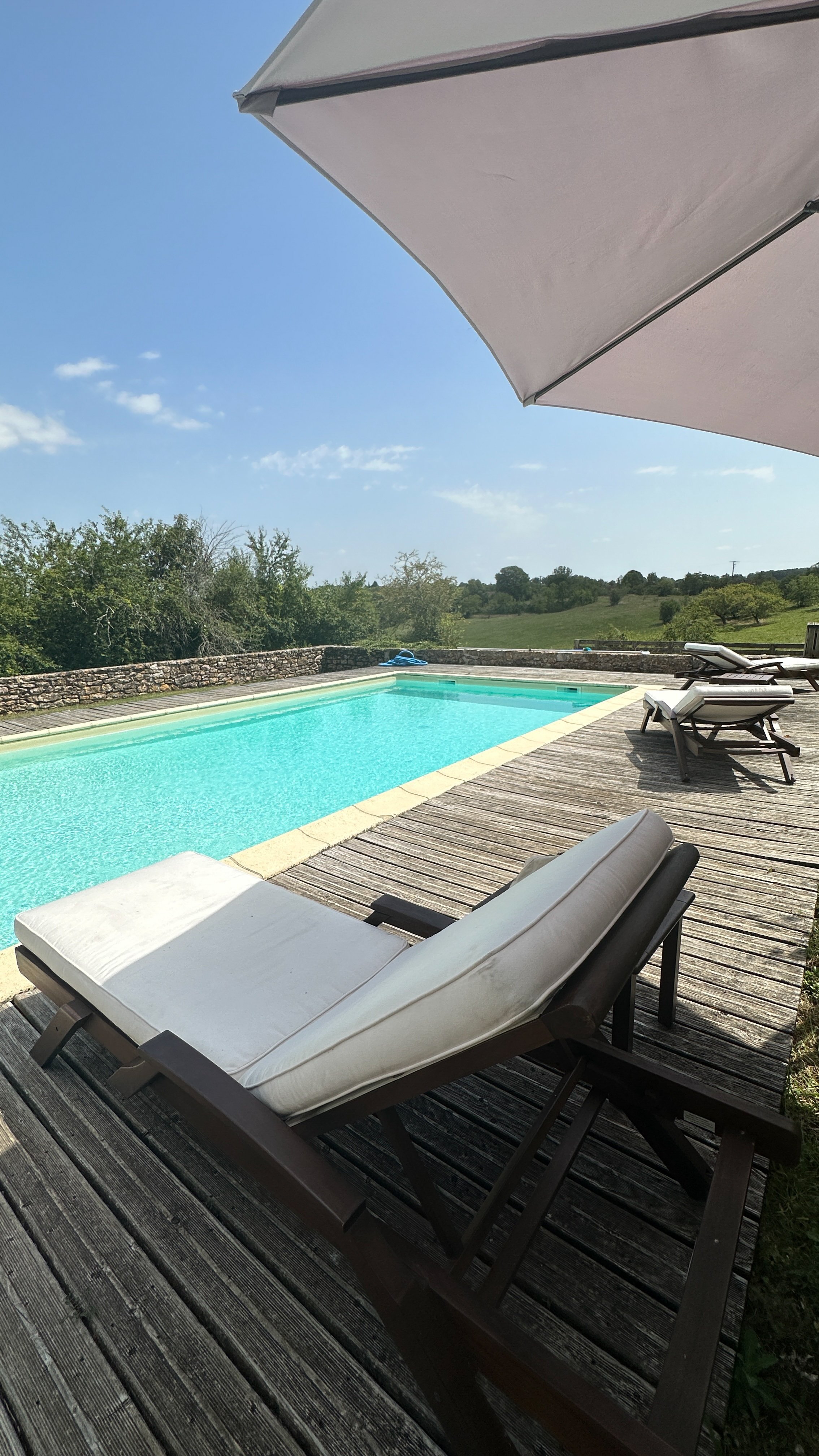
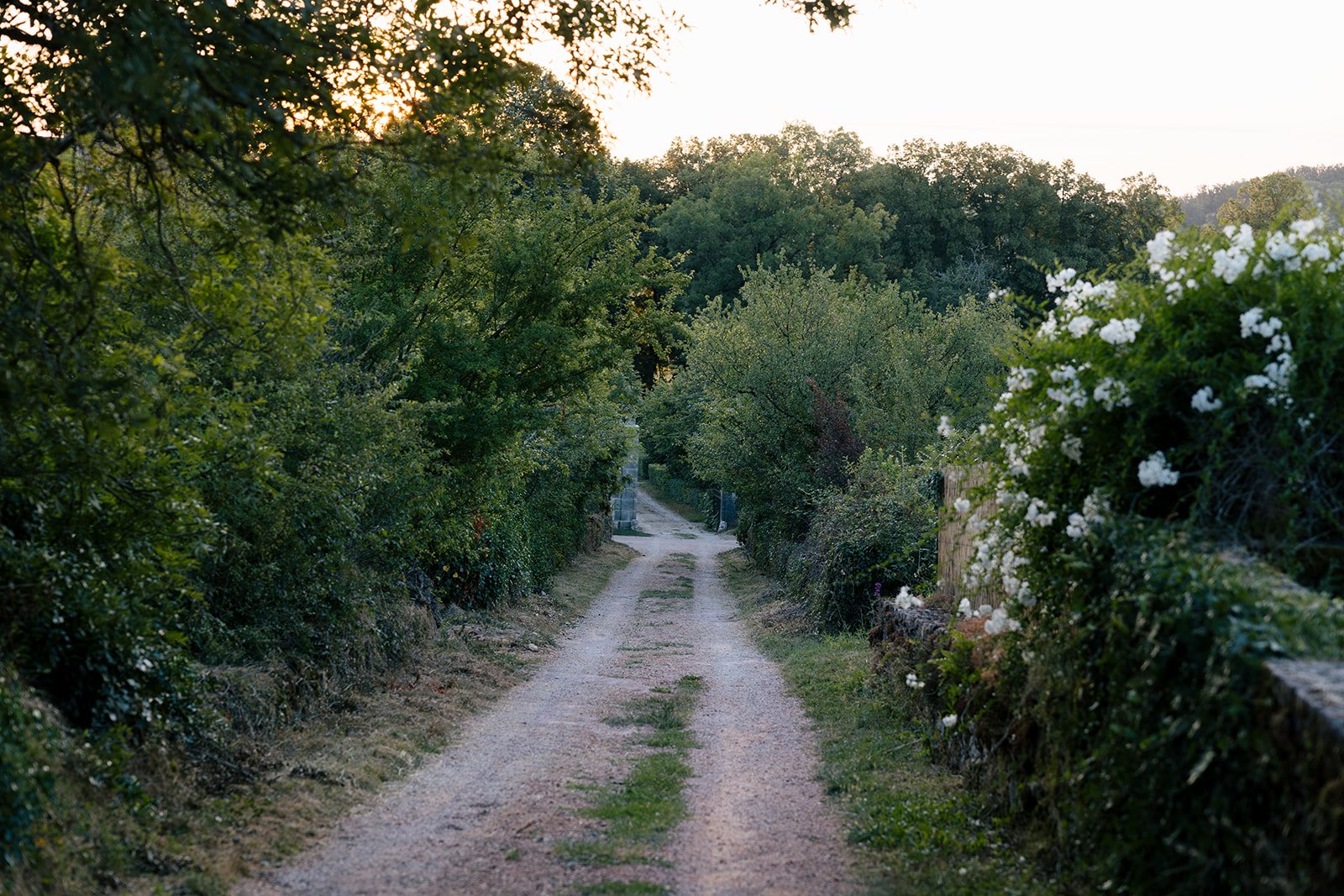
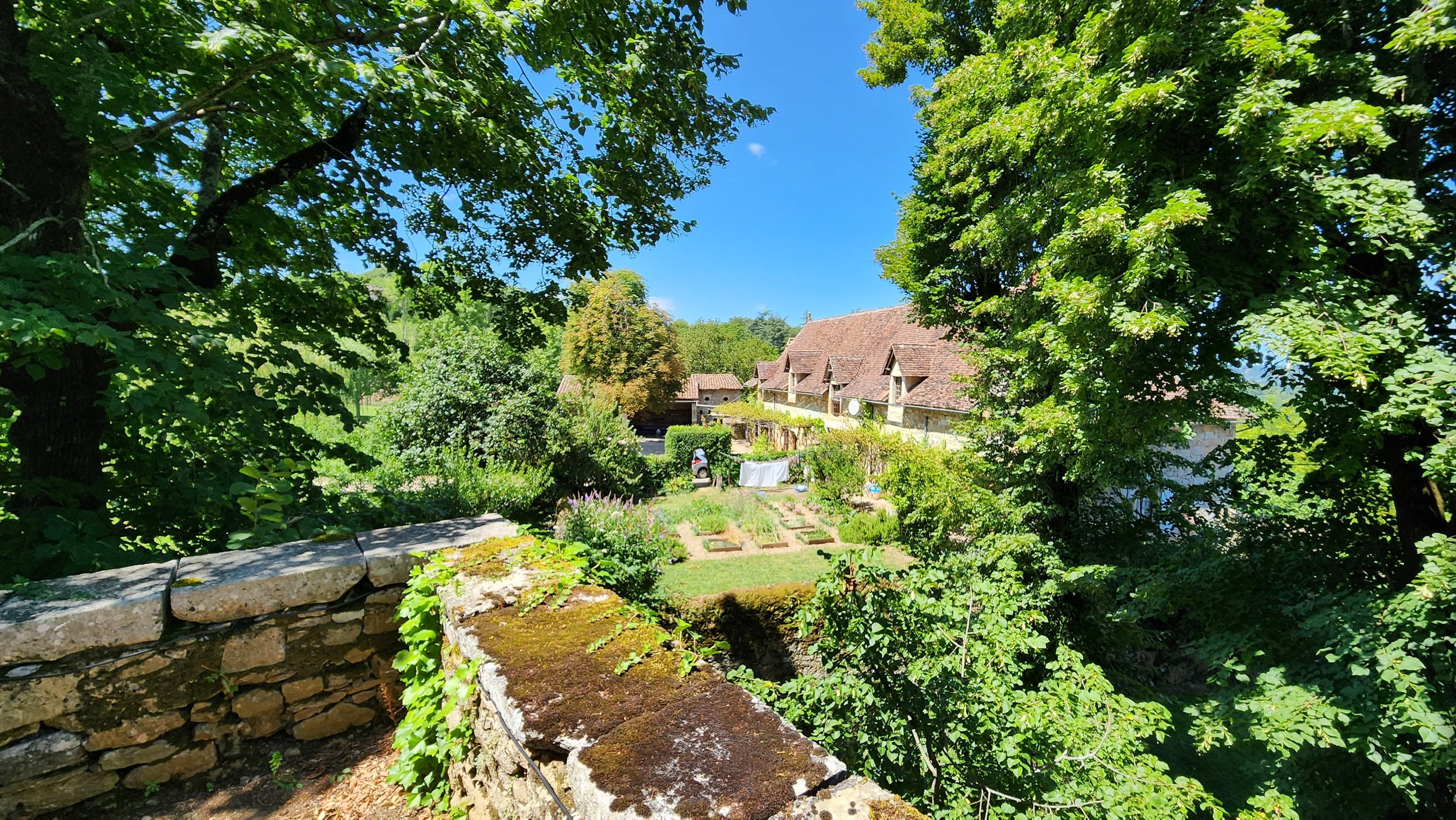
It has: 13,000 square feet of rooms, 20 acres of land, 2.5 acres of formal gardens, 3 private pools, and 3 additional outbuildings: La Grange, La Ferme, La Fermette.















The History
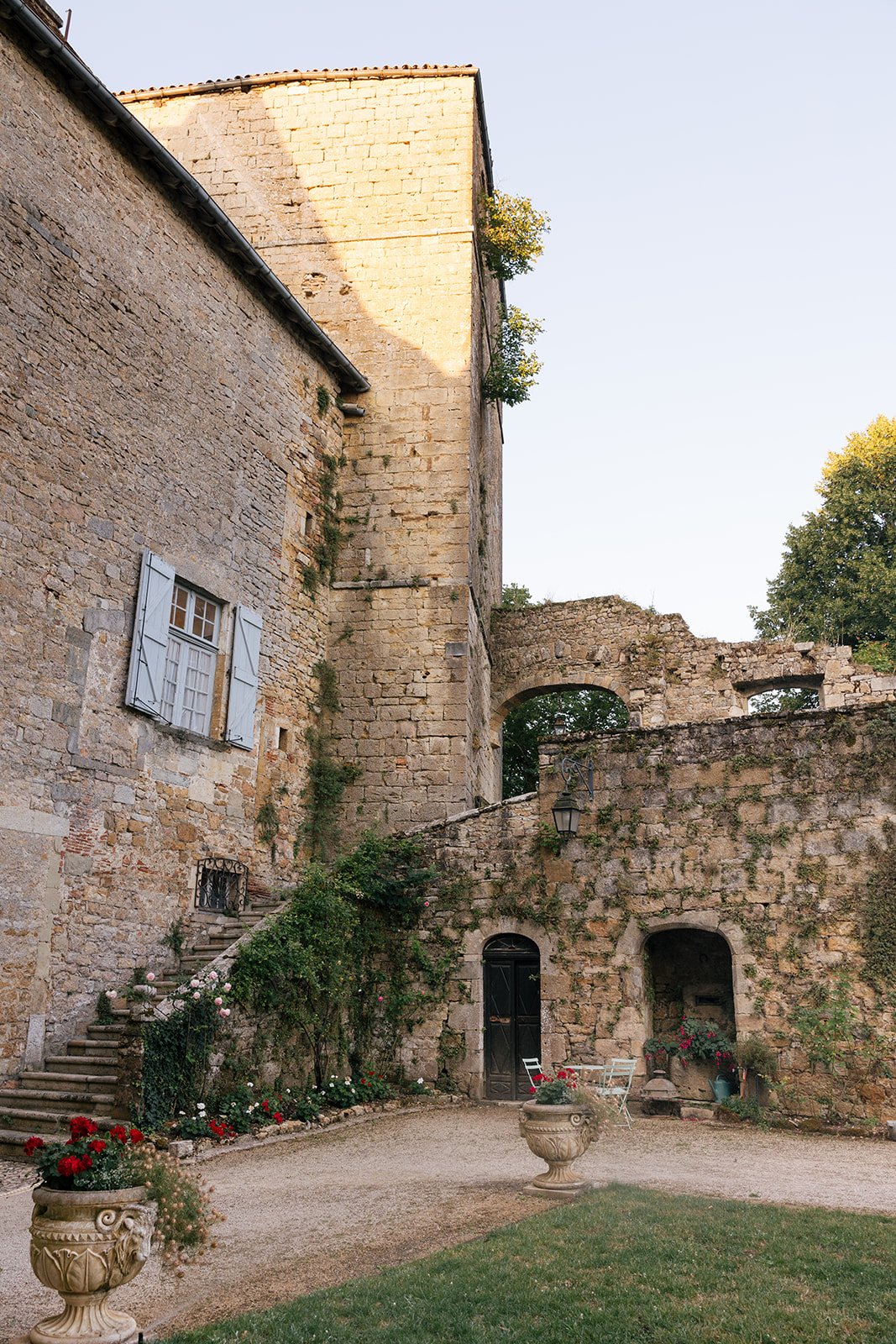
The Château de Béduer has a deep and layered history dating back to the 13th century, when it served as a fortified seat of regional power. Over the centuries, it transitioned from a medieval stronghold into a refined 17th-century country estate, complete with gardens and gathering spaces for local festivities. The highest point of its medieval tower was removed after the French Revolution, to weaken its defenses.
In the 20th century, the château took on a new kind of significance under the ownership of Jeanne Loviton—also known by her pen name, Jean Voilier. A formidable figure in French literary circles, Loviton hosted many intellectuals of the time, including her lover, the celebrated poet and essayist Paul Valéry. Their romantic and intellectual connection is immortalized in the archives of French literature, and the château became an occasional retreat for their correspondence and creativity. It even served as a crucial stronghold for countless French films during World War II, guarded by a legendary film critic and concentration camp escapee, Lotte Eisner.
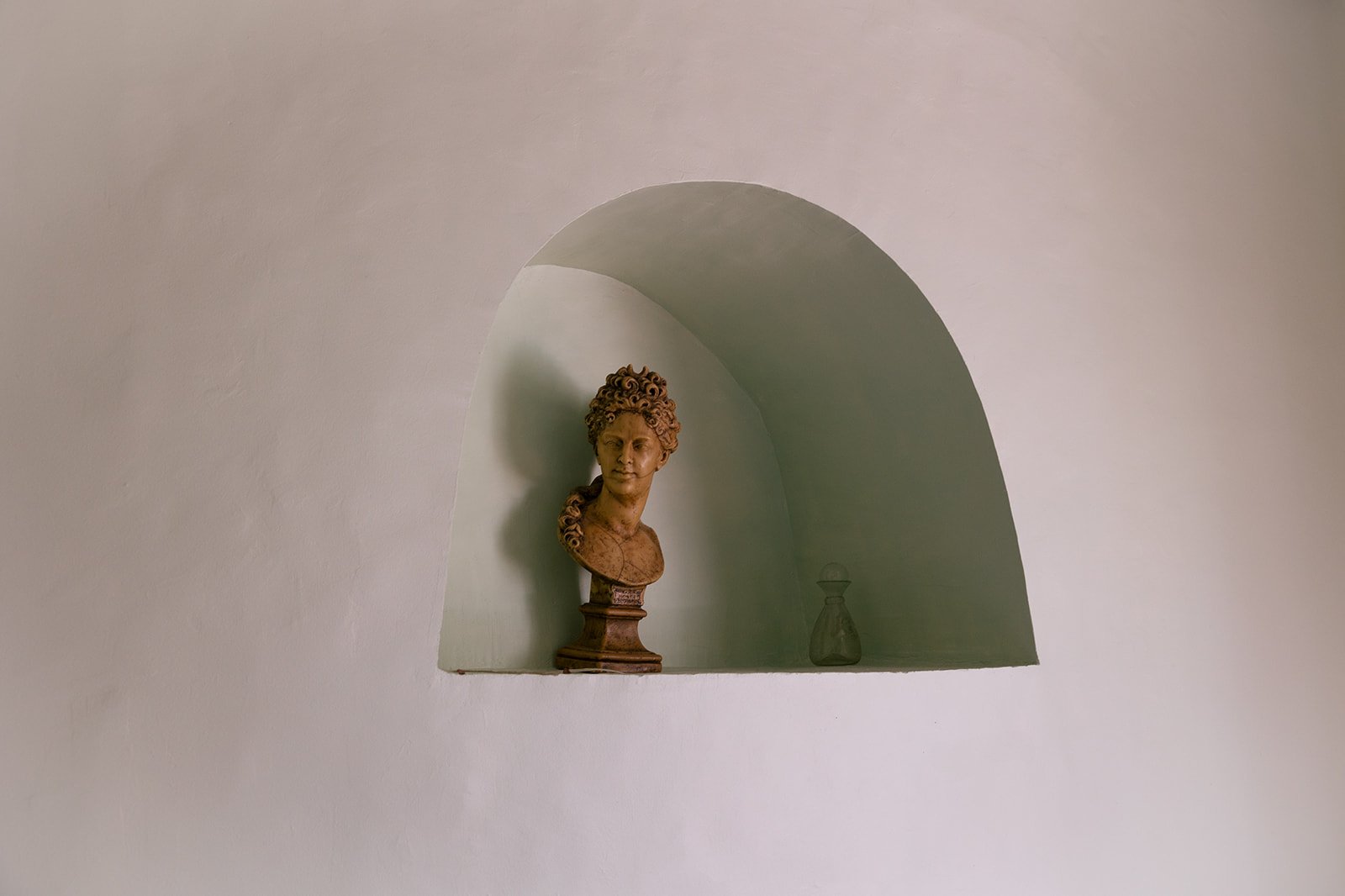
The château’s rooms and terraces bear witness to a moment in history when art, politics, and poetry intertwined under one roof. Loviton, a lawyer and publisher, was known for her relationships with many influential writers and thinkers, and her time at Béduer added a new cultural layer to the site’s already rich legacy. Even today, her presence is felt throughout the property, where shadows of France’s literary Golden Age linger alongside medieval stonework and baroque ornamentation.
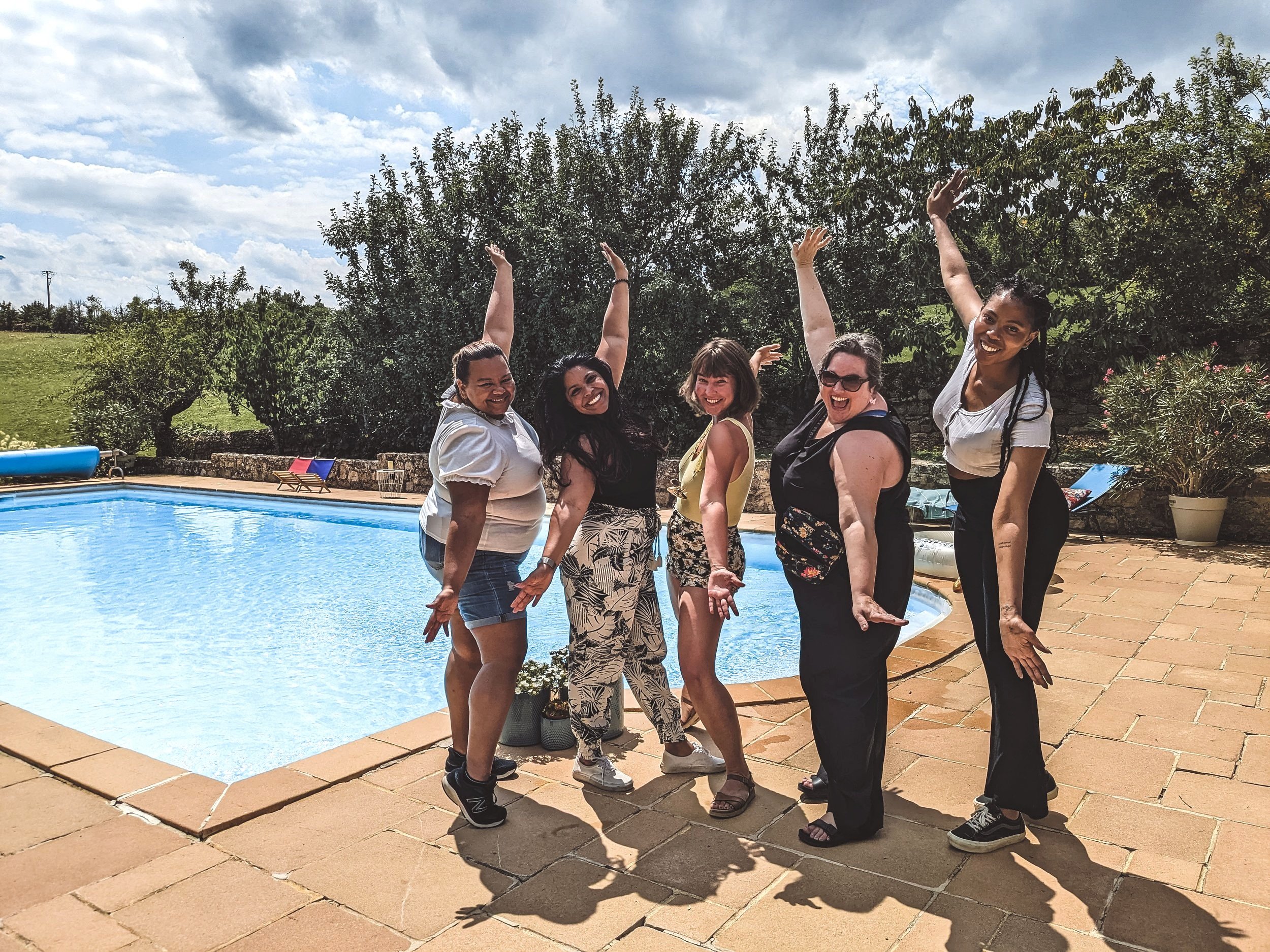
As part of Camp Château, Château de Béduer is now owned by the over 200 women founders of Camp Château and lovingly cared for by a team of dedicated groundskeepers, gardeners, property managers, and supporters from around the region.









The Region
Beyond the château walls, the Lot region offers stunning natural beauty and historical richness. The surrounding Célé Valley is dotted with prehistoric caves, storybook villages, and dramatic limestone cliffs.
From canoeing on clear rivers to wandering through cobbled lanes in hilltop towns like Saint-Cirq-Lapopie, the area offers a romantic, slow-living charm that invites both exploration and reflection.
Visitors also benefit from Béduer’s proximity to Figeac, a lively medieval town with markets, cafés, and cultural sites, including the Musée Champollion, dedicated to the decipherer of Egyptian hieroglyphs. Whether you're sipping local wine in the garden or hiking nearby trails, the region’s mix of beauty, history, and creativity mirrors the essence of the château itself.
-
Camp Château is located at 73 Chemin du Chateau, 46100 Béduer France
The most common ways campers get to Béduer are:
Toulouse to Béduer → Toulouse is a 2 hour drive from Camp. Shuttles to and from Toulouse Airport are available on arrival and check out days for an extra fee. You can access shuttle bookings, scheduling and payment in your customer portal. Rental cars are available at Toulouse airport and there is plenty of free parking available at camp. There is also a train from Toulouse Station to Figeac, the train station nearest Château de Bêduer.
Figeac to Béduer → Figeac is a lovely town 15 minutes from camp. We will pick you up for free from Figeac between 3pm and 6pm on check-in day.
We recommend checking for trains in Europe on Trainline.
-
Faycelles (5 min) – A peaceful village perched above the Lot valley, offering scenic walking trails and stunning views.
Figeac (15 min) – Medieval town with a vibrant Saturday market and the Musée Champollion (birthplace of the man who cracked the Rosetta Stone).
Marcilhac-sur-Célé (30 min) – A riverside village with atmospheric ruins of a once-grand Benedictine abbey, nestled in a dramatic natural setting.
Saint-Cirq-Lapopie (1 hr) – Clifftop village voted one of the most beautiful in France.
Rocamadour (1 hr 10 min) – Dramatic pilgrimage site built into a cliffside with a sacred complex and panoramic views.
Cahors (1 hr 10 min) – Famous for its medieval Pont Valentré bridge and rich wine culture.
Najac (1 hr 30 min) – A fairytale village dominated by a medieval fortress on a rocky spine.
Conques (1 hr 45 min) – A UNESCO-listed gem with an abbey and Romanesque art, central to the Camino route.
-
Gouffre de Padirac (1 hr 30 min) – An underground river cave system you can tour by boat.
Parc Naturel Régional des Causses du Quercy (30 min+) – Explore hiking trails, wild orchids, and ancient dolmens in this unspoiled regional park.
Célé Valley (Immediate surroundings) – Ideal for kayaking, swimming, and scenic drives with dramatic cliffs and peaceful river bends.
Lake Tolerme (1 hr) – A quiet swimming and picnic lake popular with locals.
-
Pech Merle Cave (1 hr) – Prehistoric cave art that’s open to the public—less famous but more intimate than Lascaux.
Château de Cénevières (1 hr) – A Renaissance castle perched above the Lot River, open for guided tours.
Abbaye de Marcilhac-sur-Célé (30 min) – Evocative ruins of a once-grand Benedictine abbey nestled in a serene village.
Villefranche-de-Rouergue (1 hr) – A bastide town with a large Thursday market and excellent cafés.
Limogne-en-Quercy (45 min) – Known for its truffle market in winter and excellent brocantes in warmer months.
Go to: