
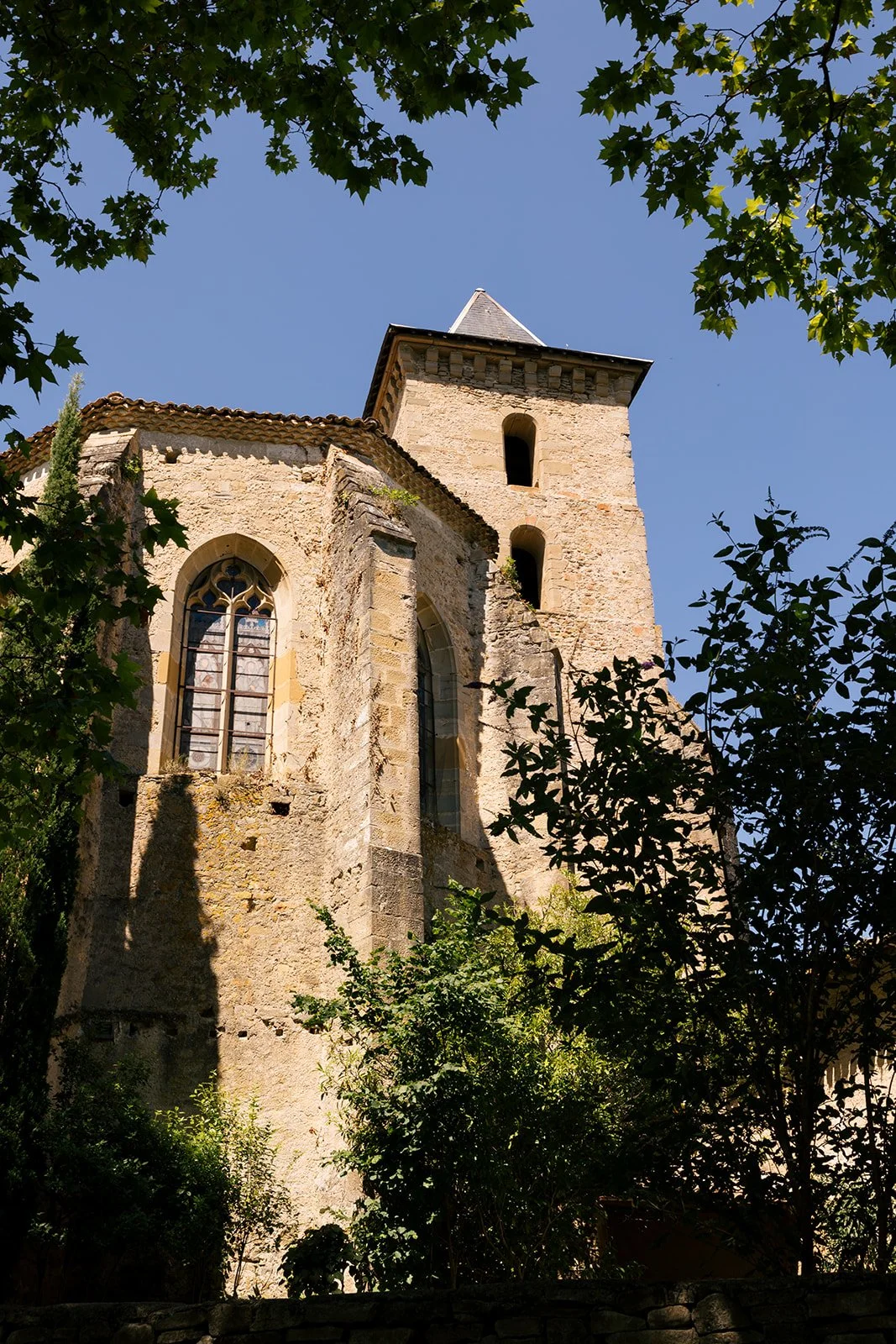
L’Abbaye-Château de Camon
Pronounced “LAH-bay SHA-toe duh CAH-mon”
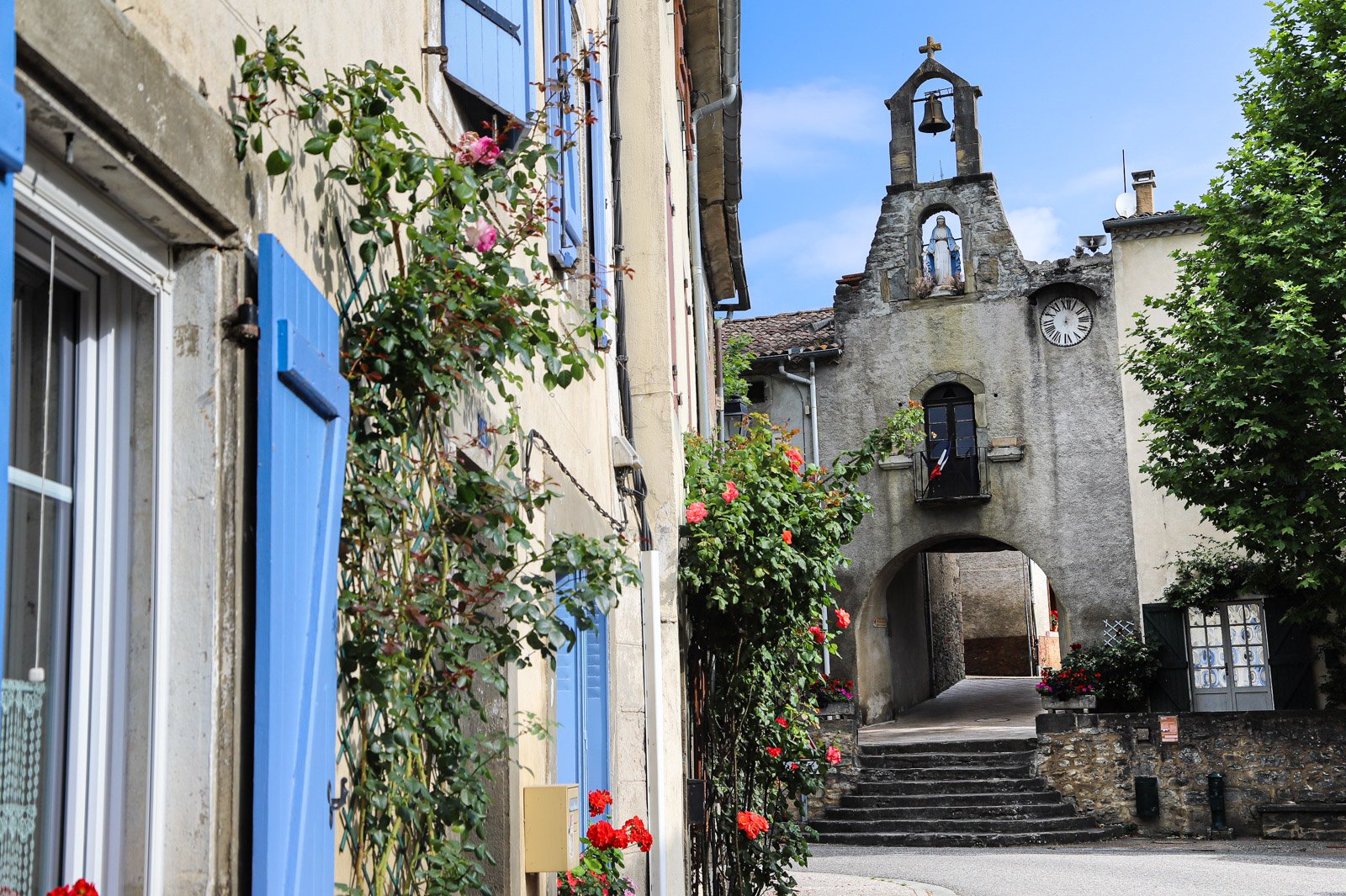
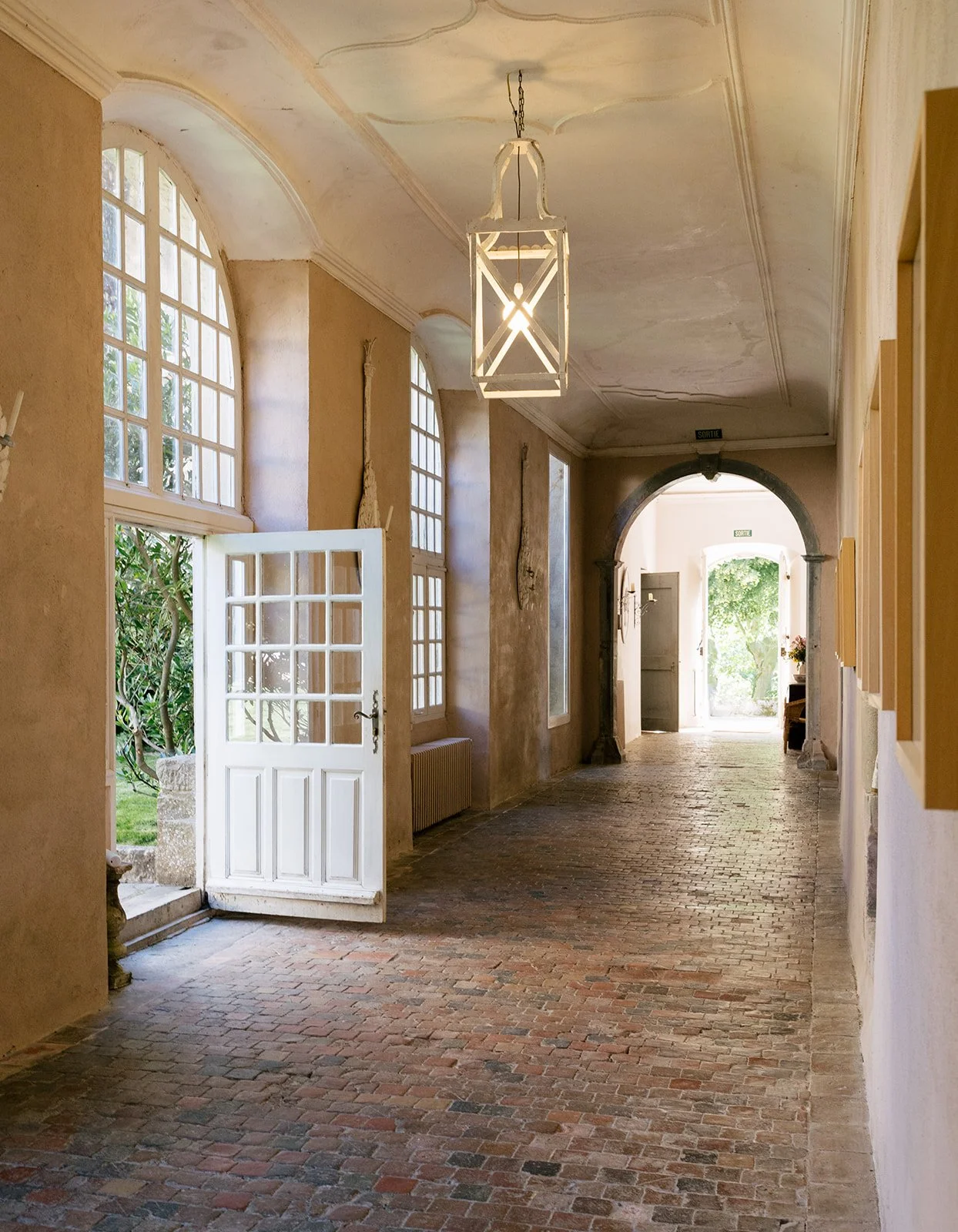
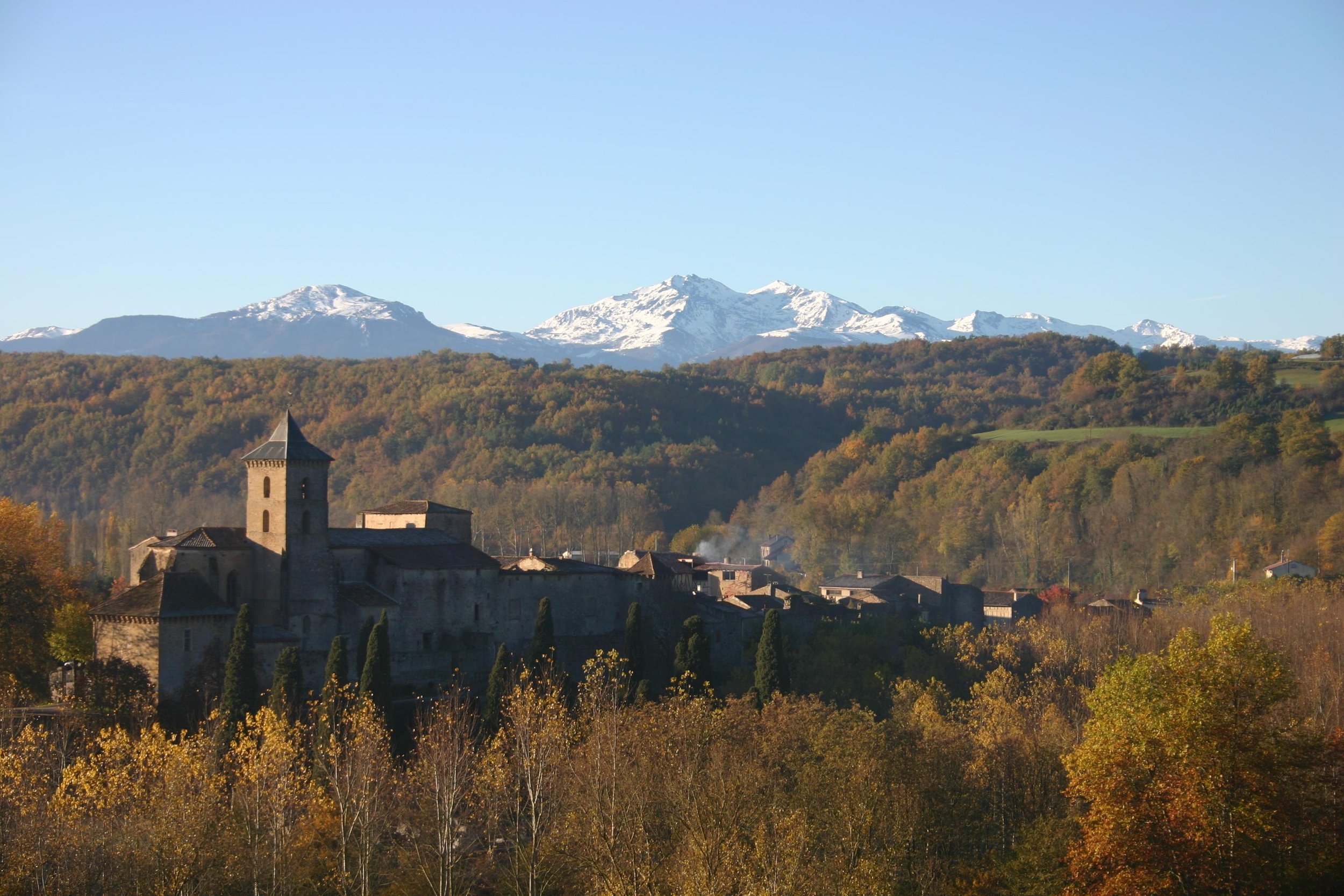
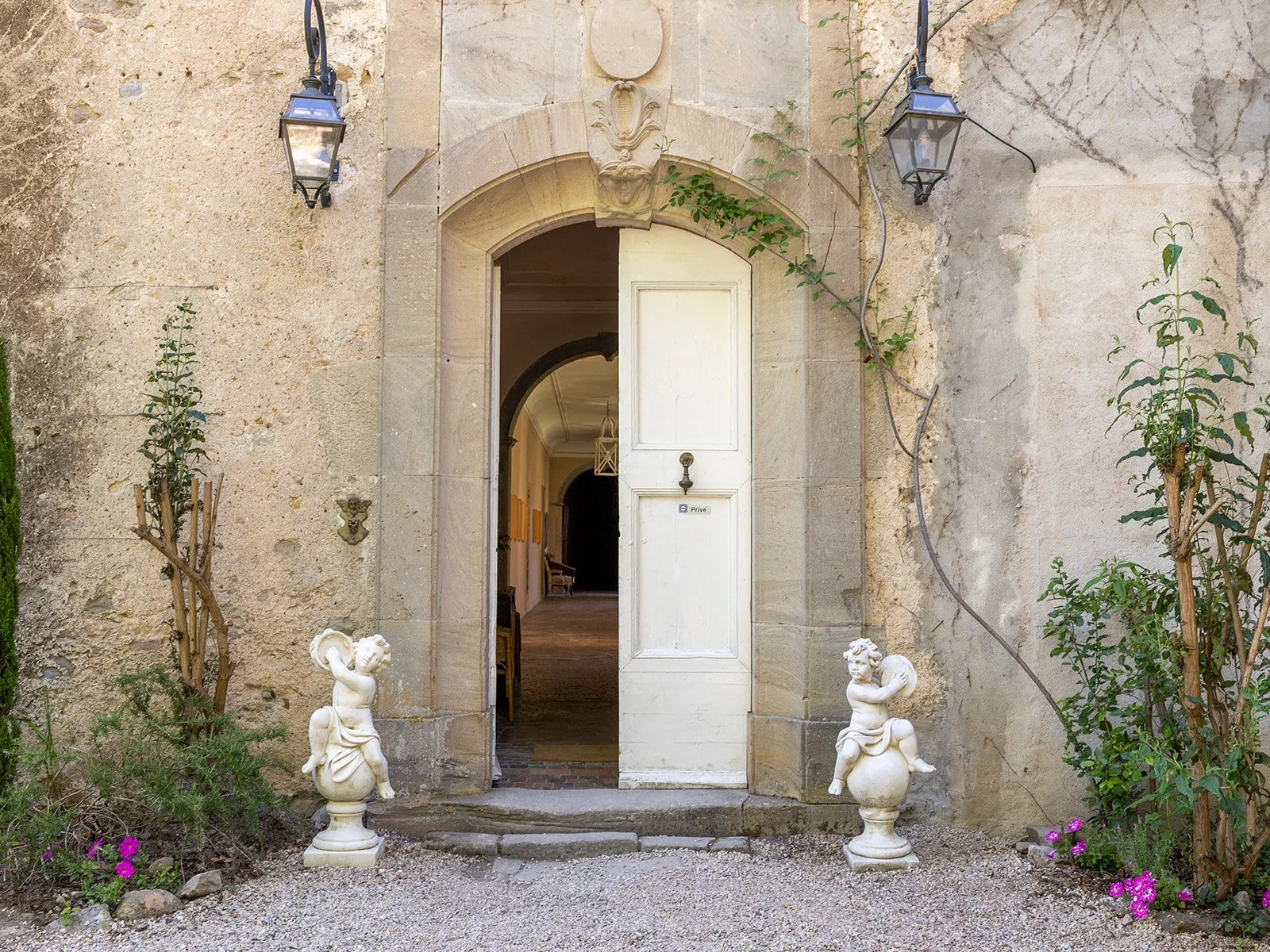
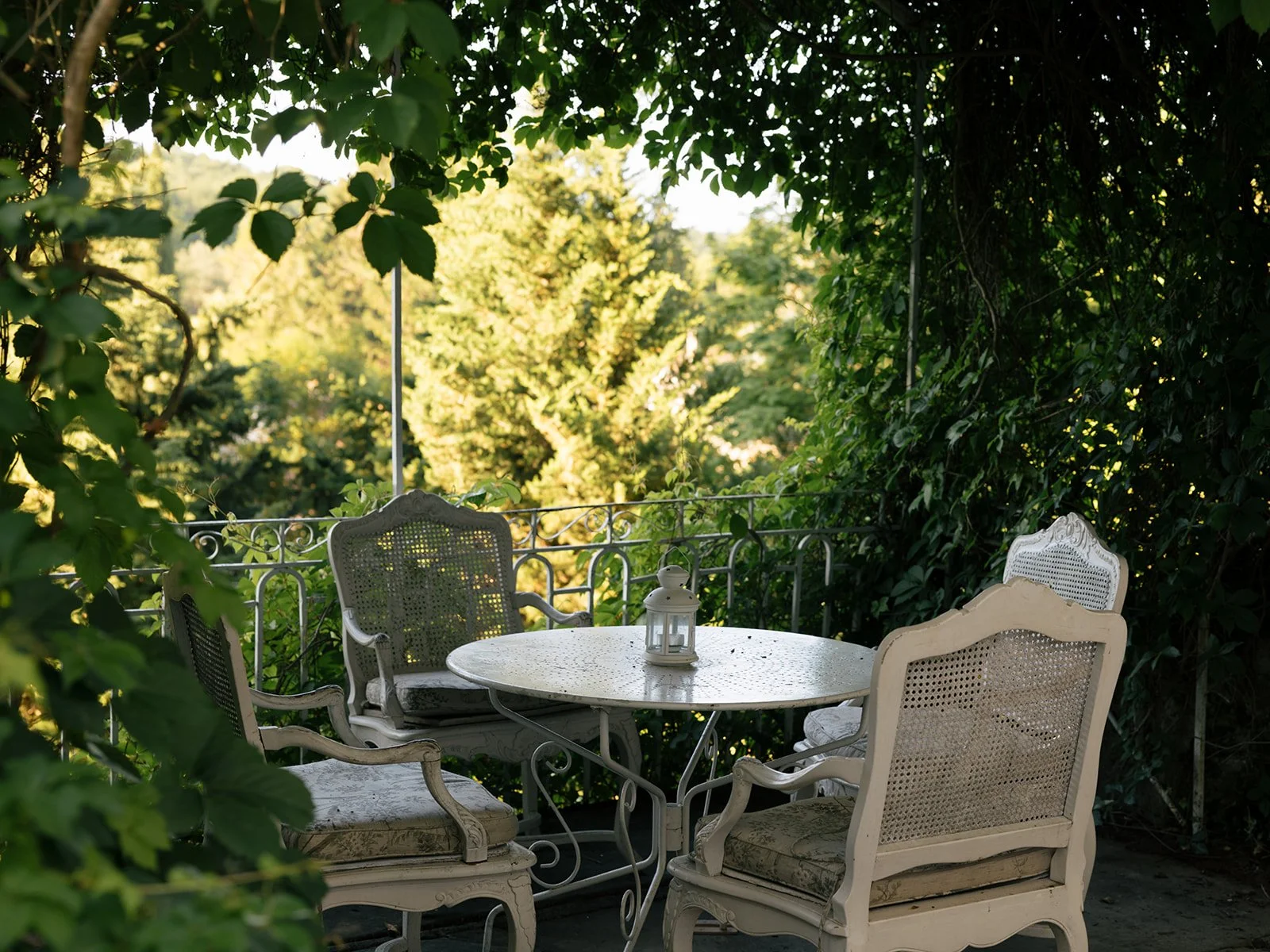
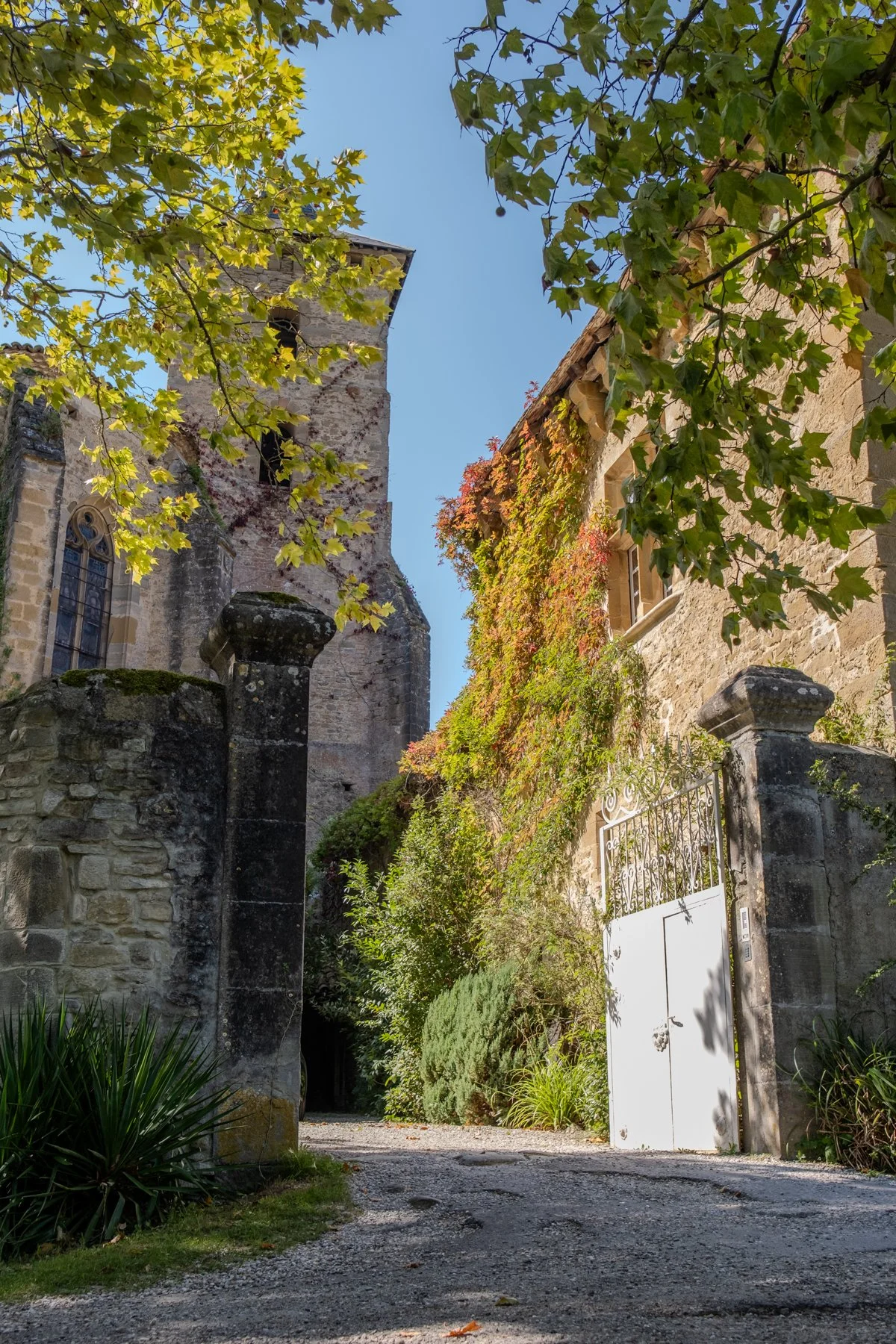
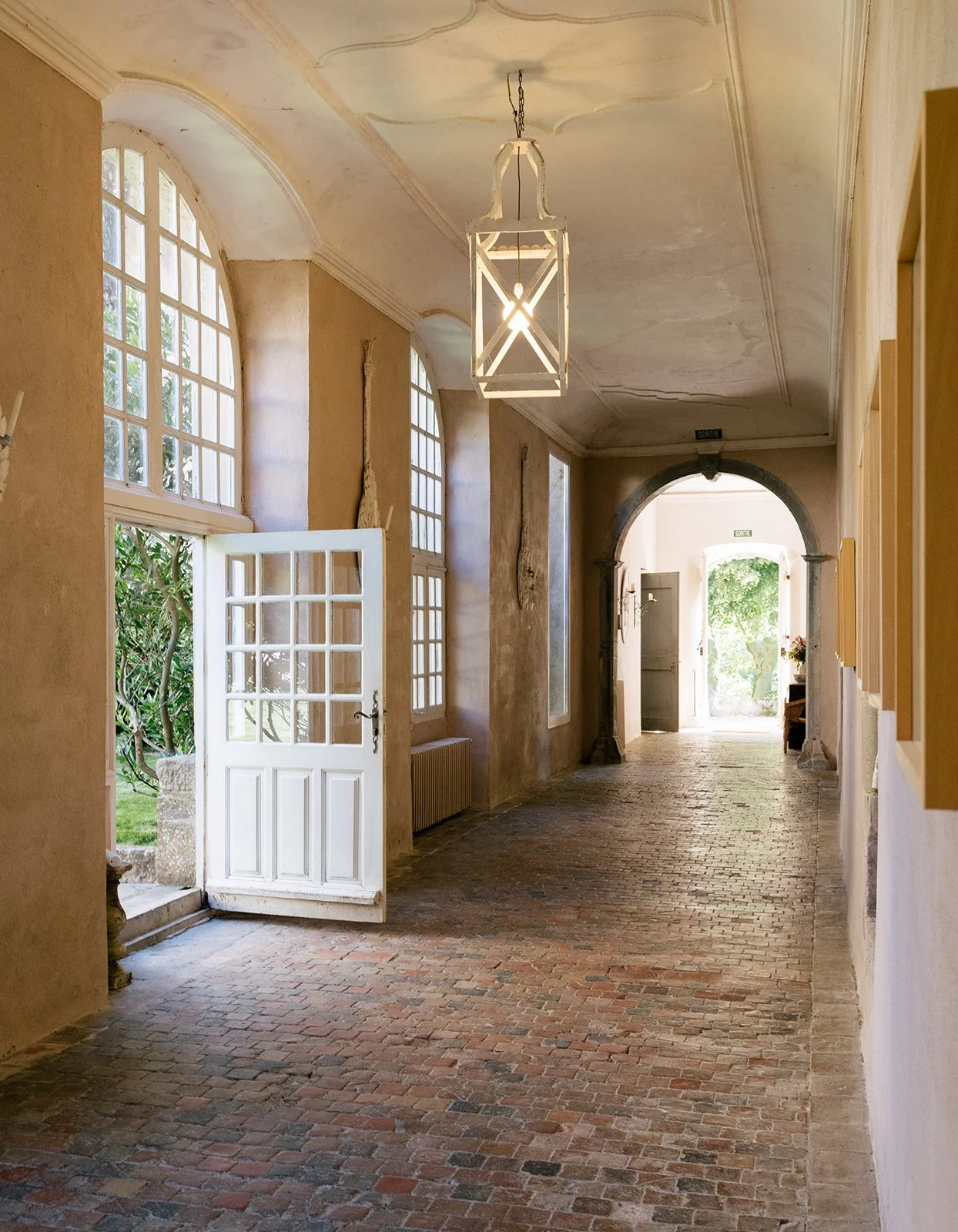
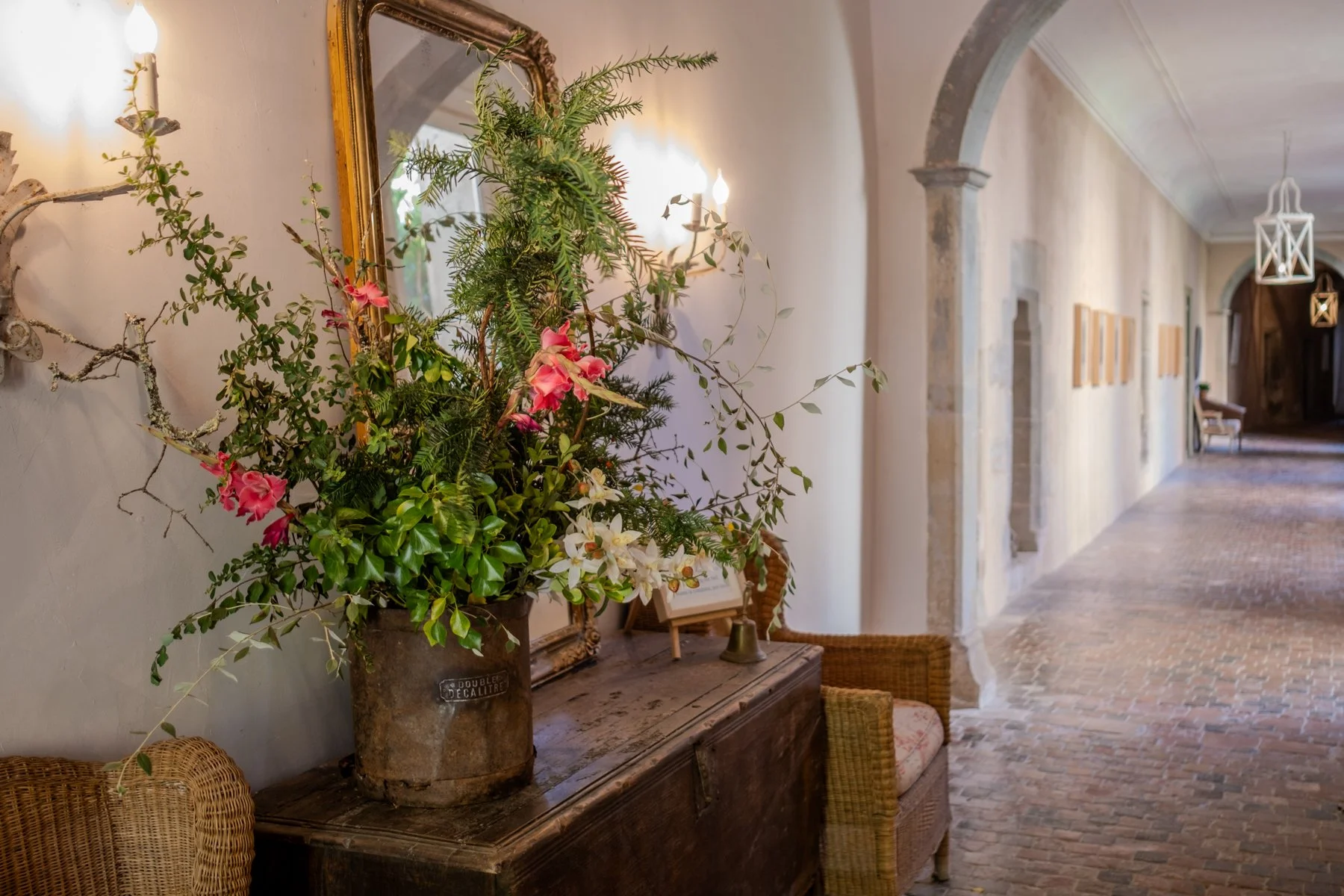
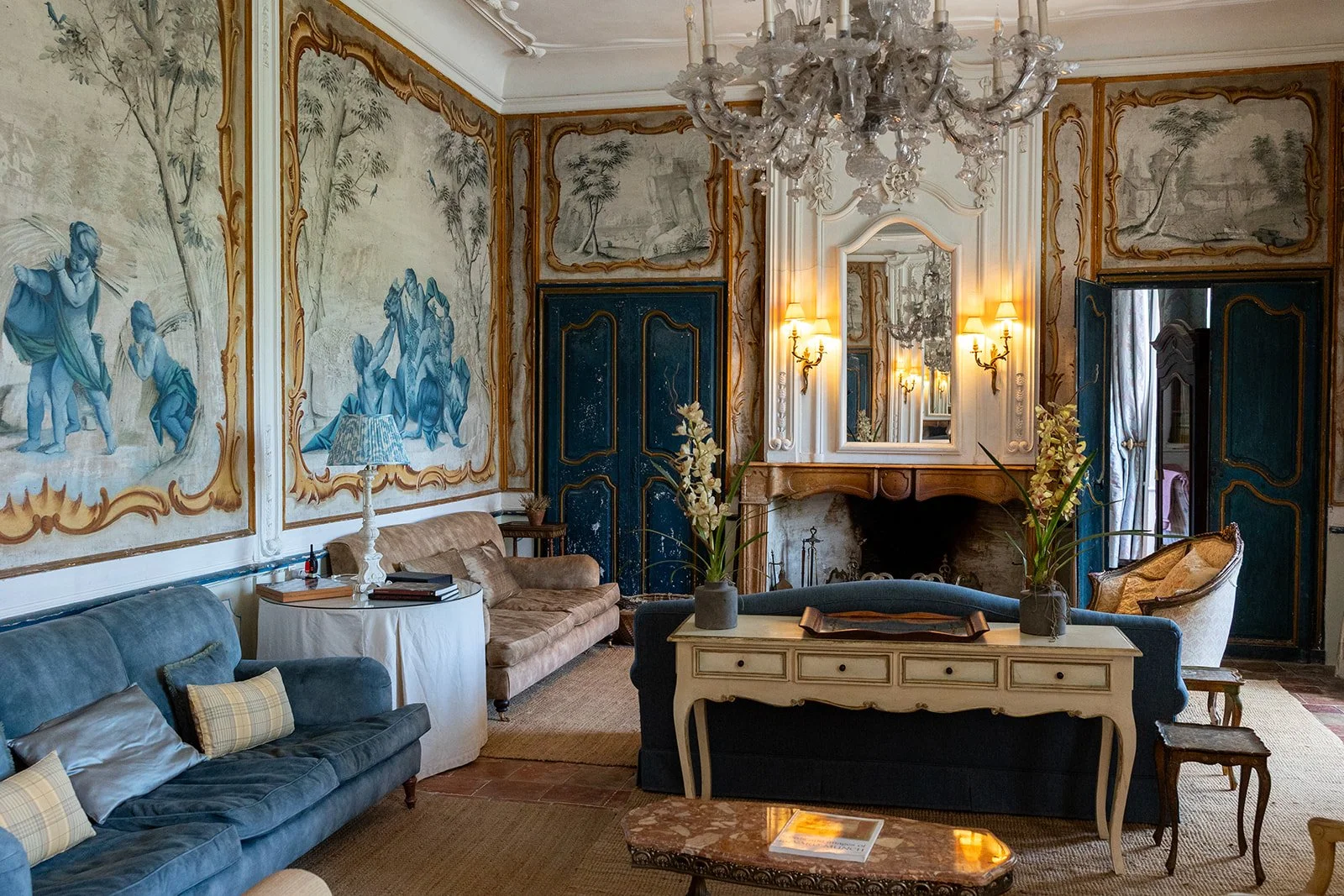
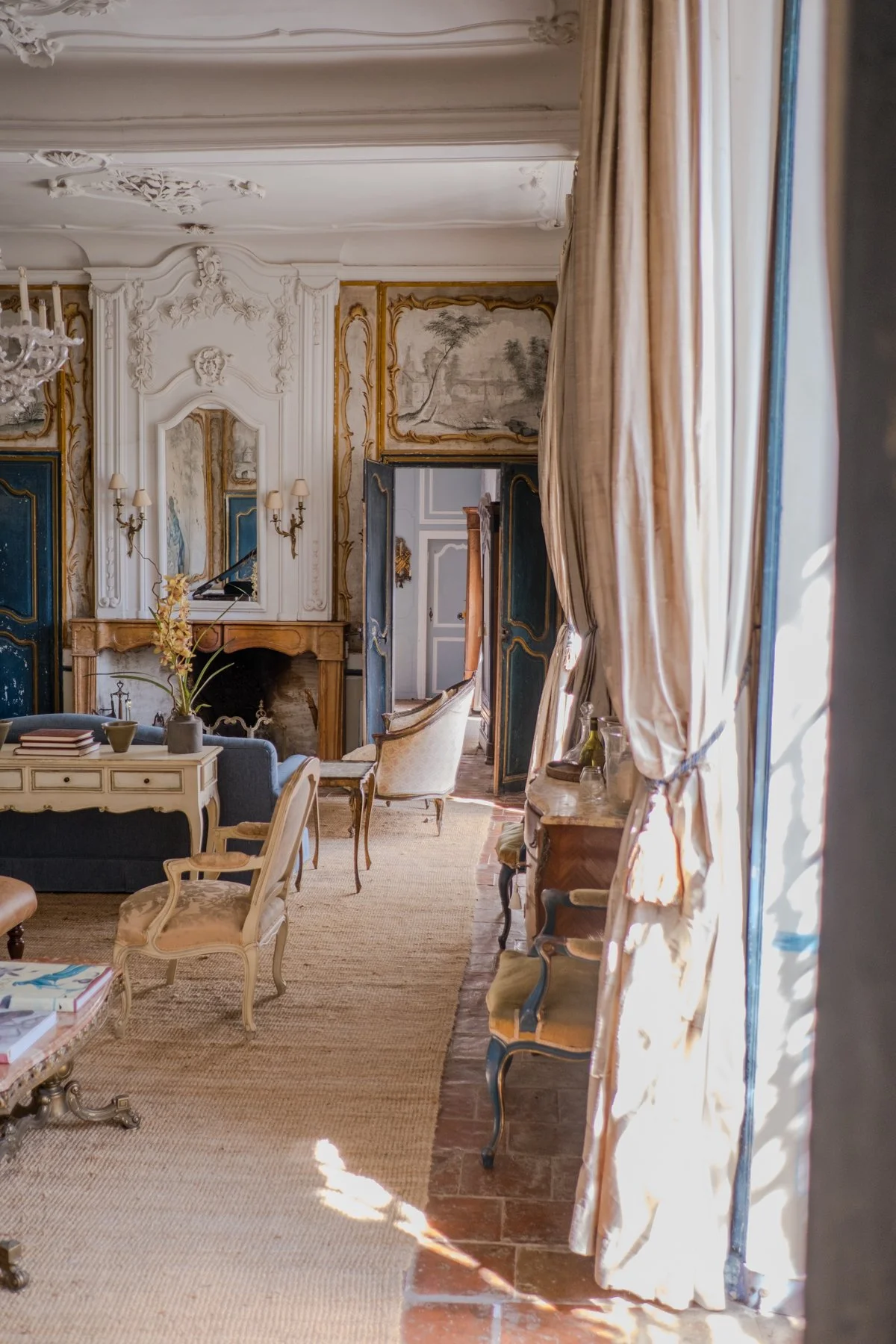
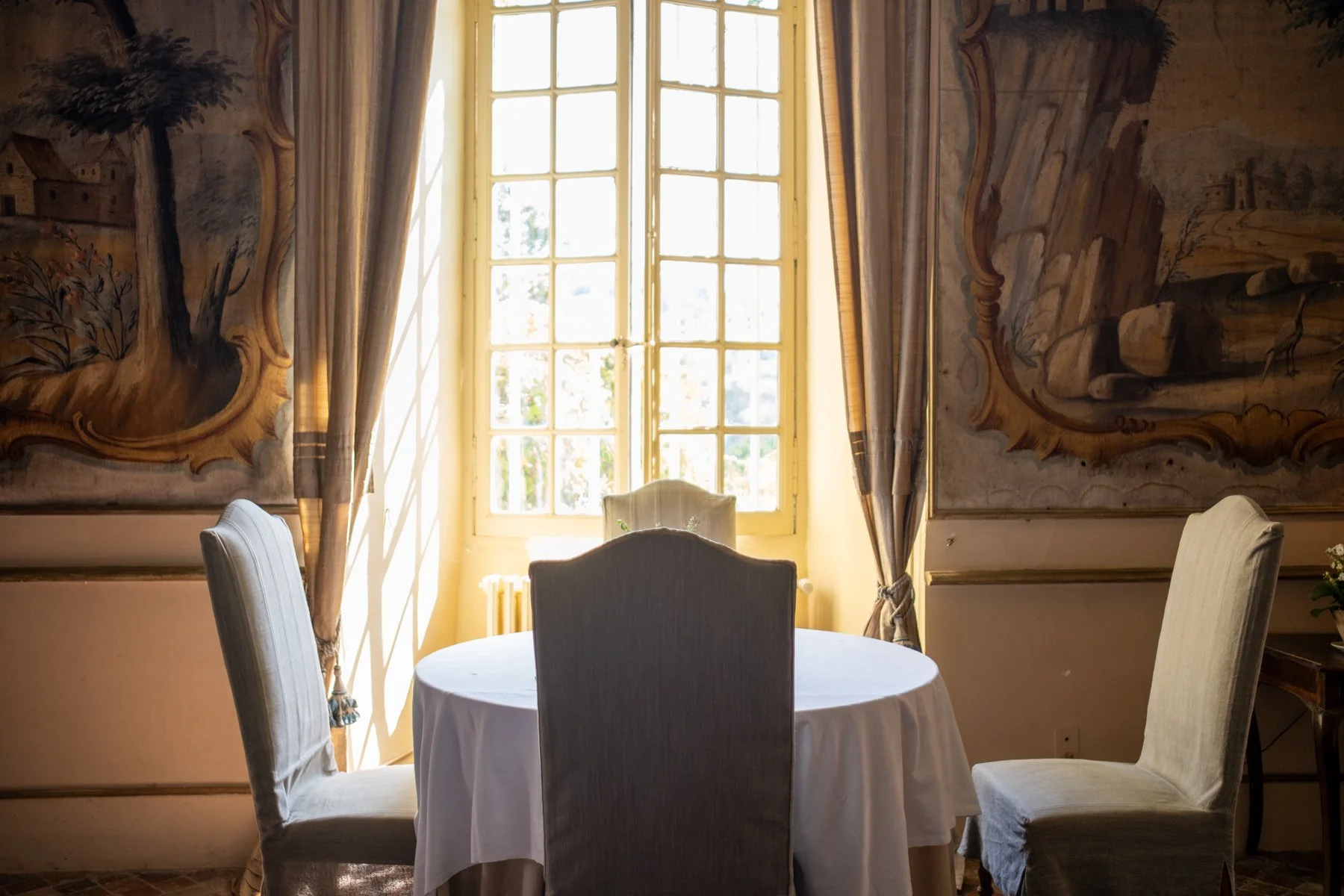
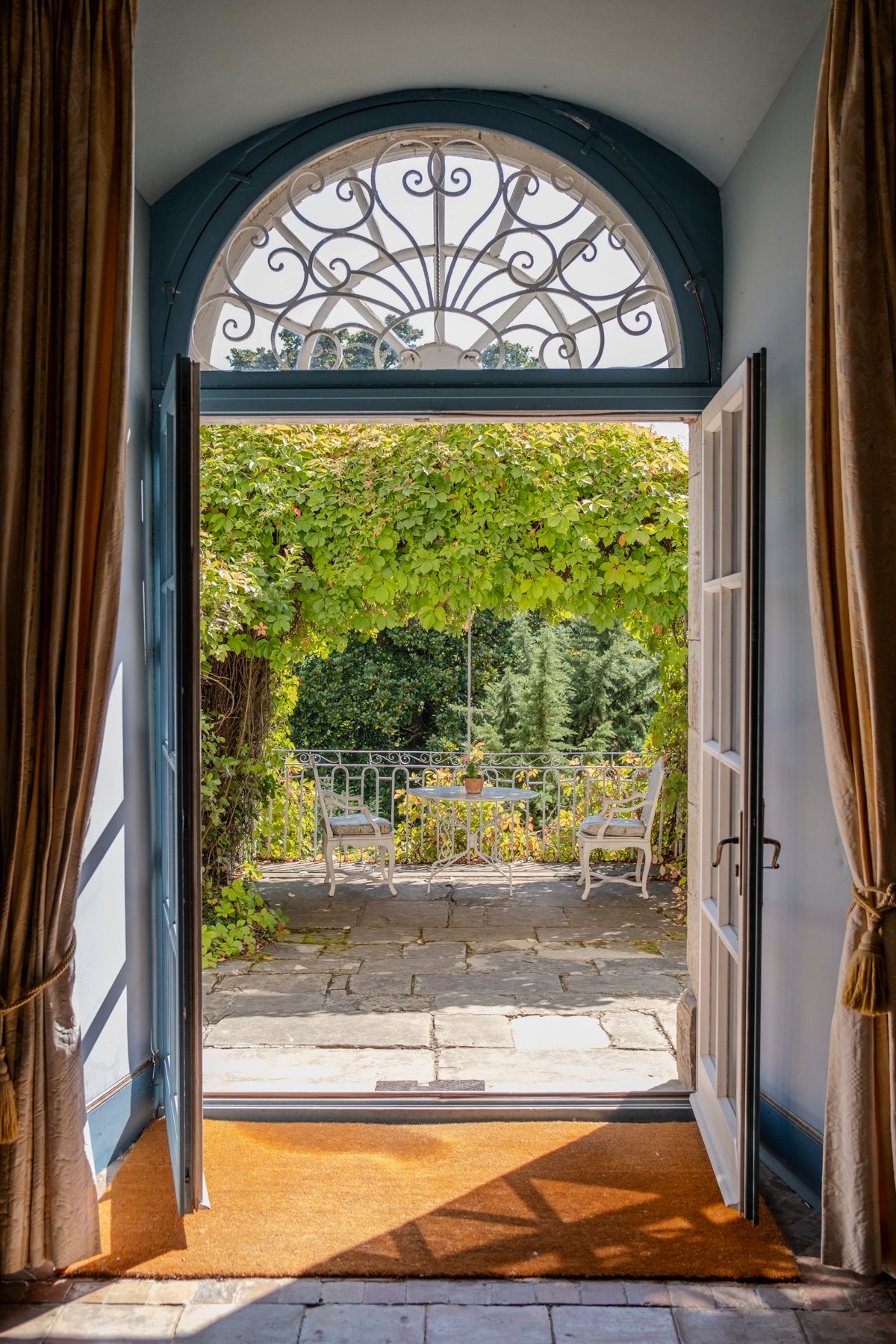
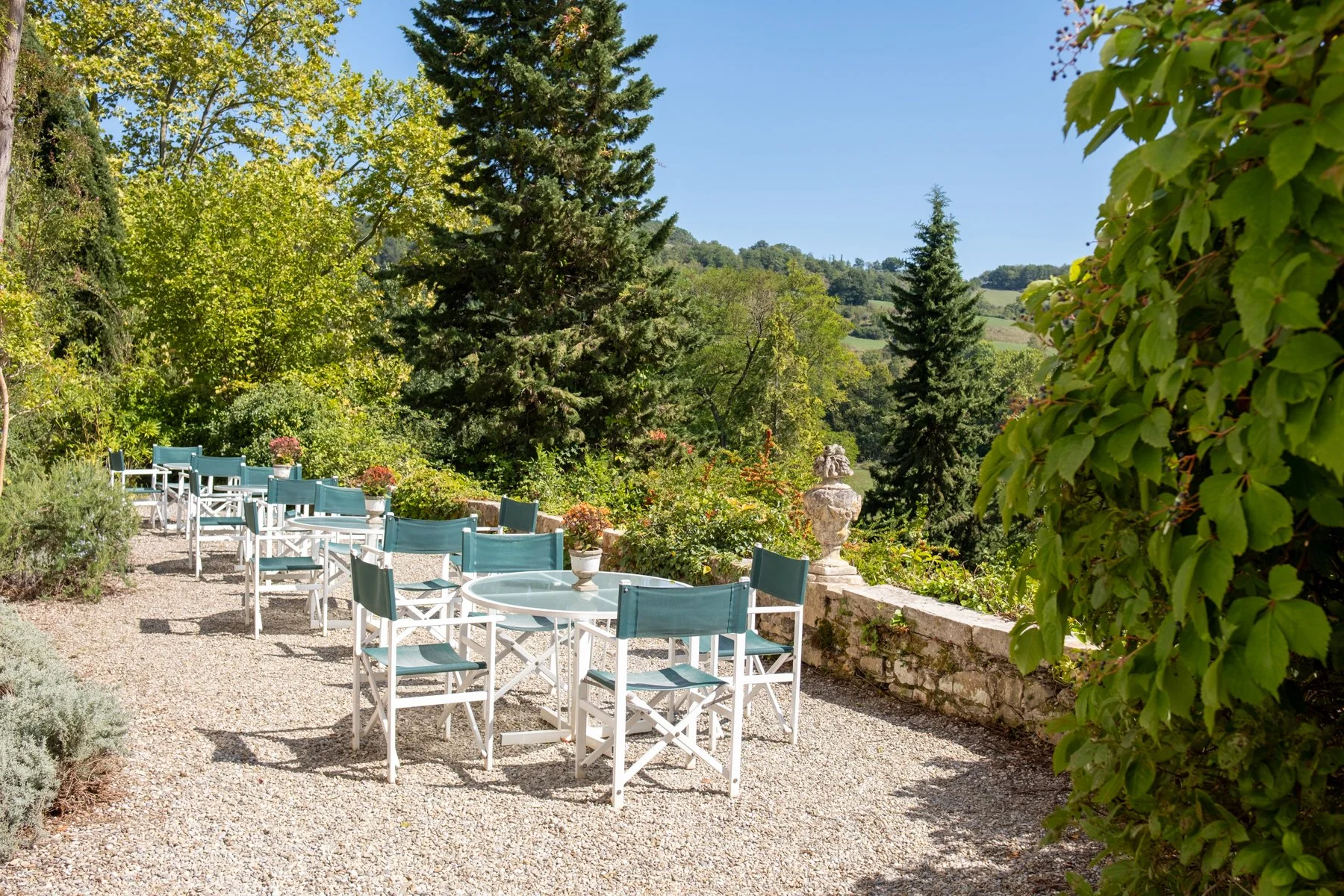
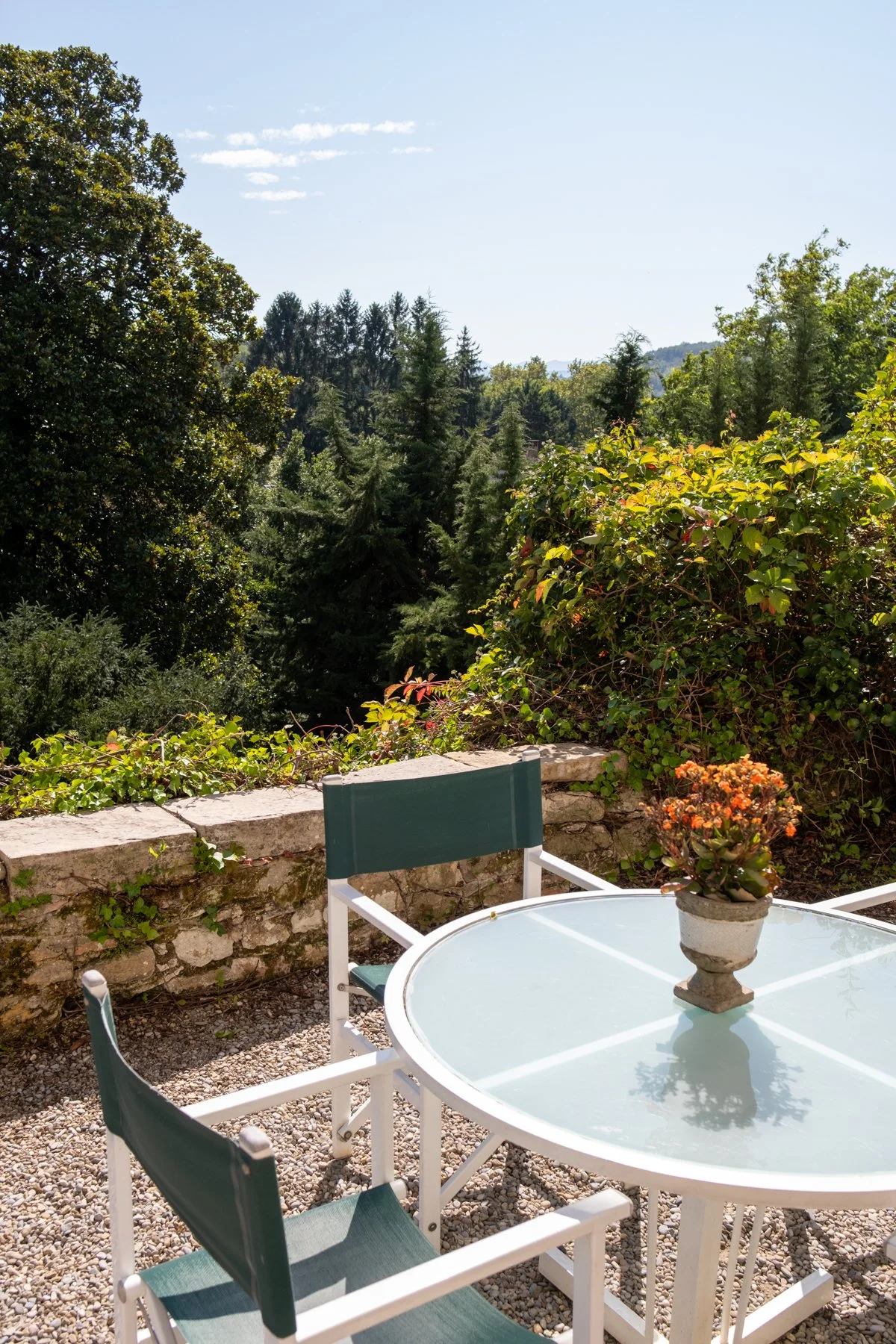
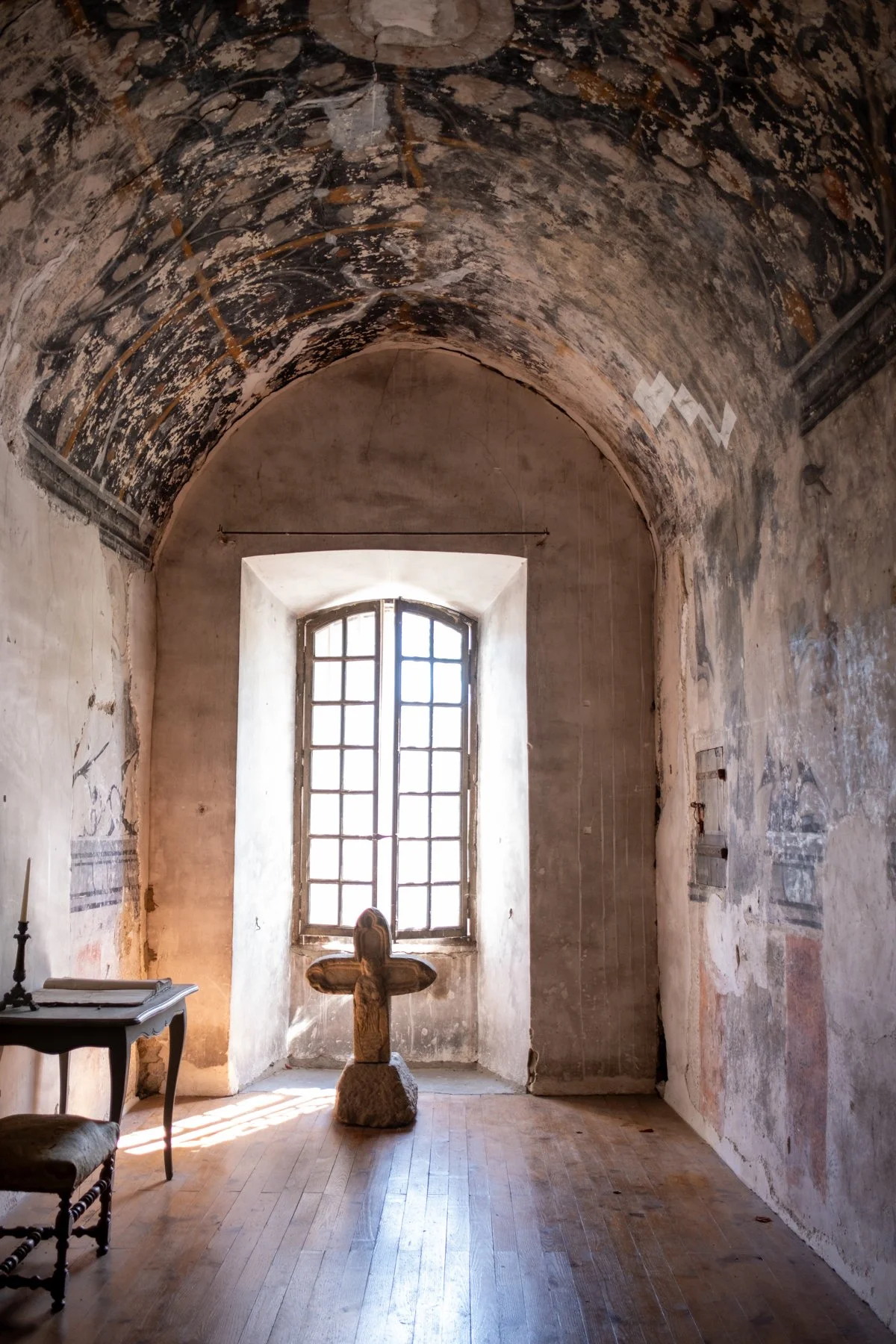
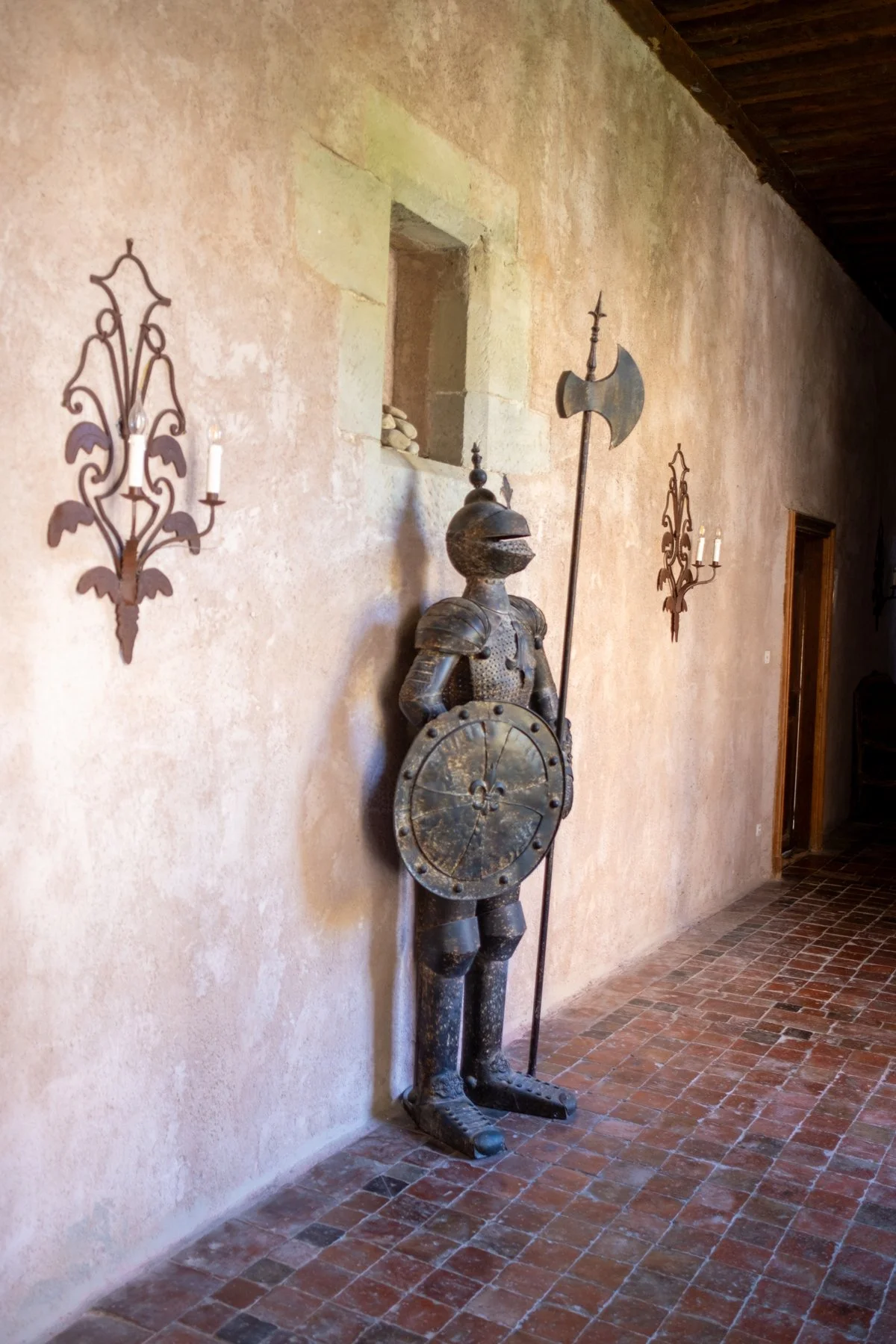
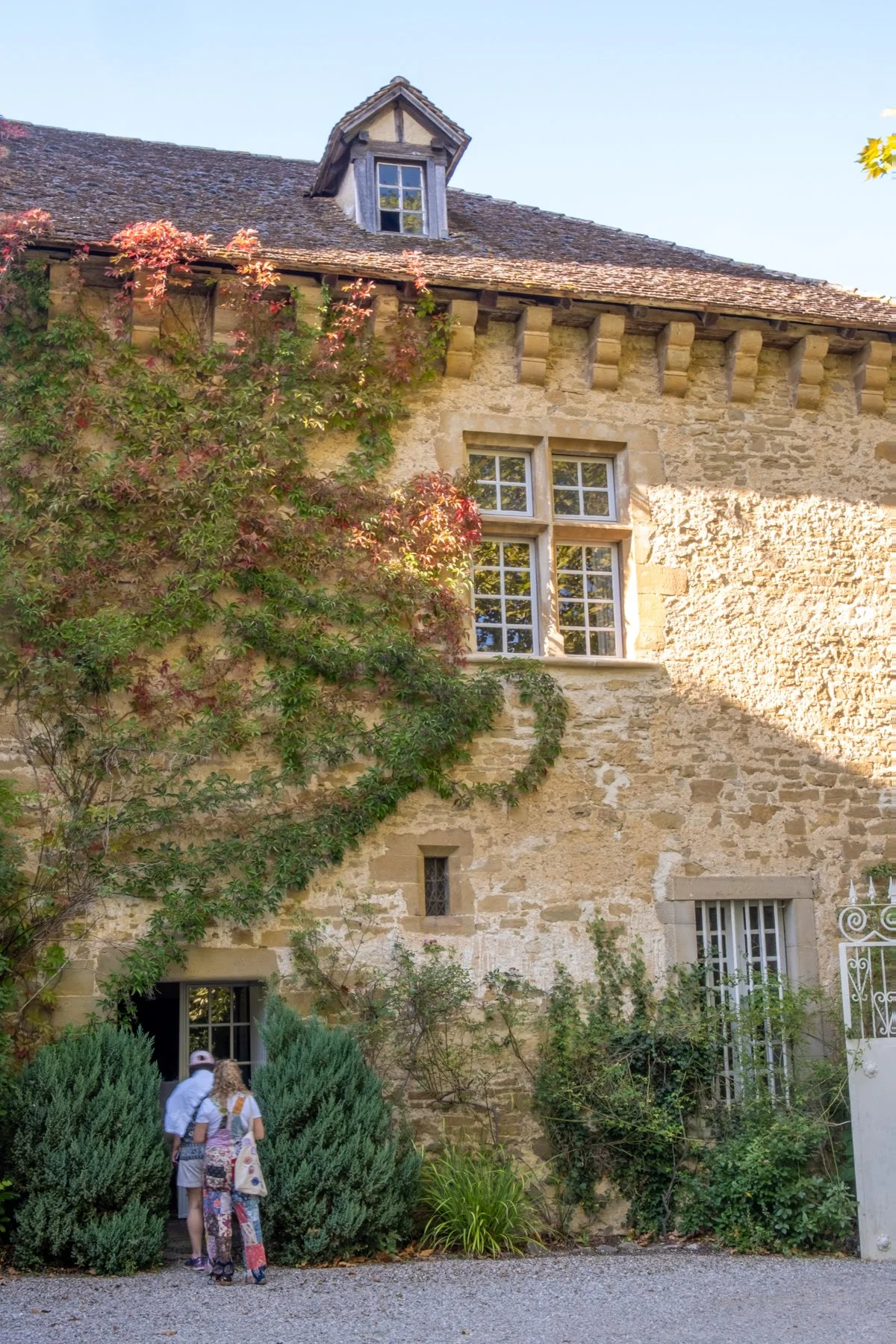
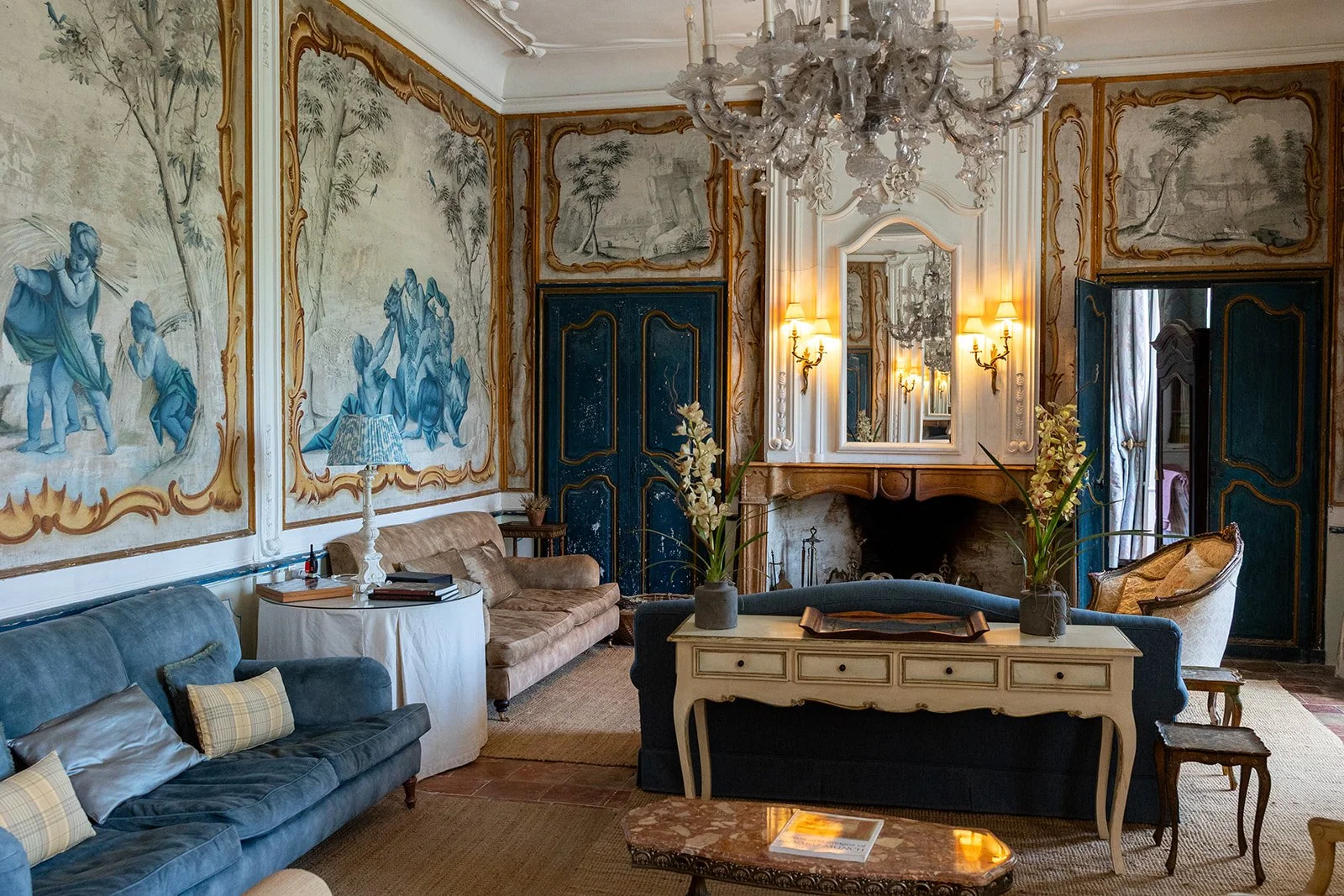
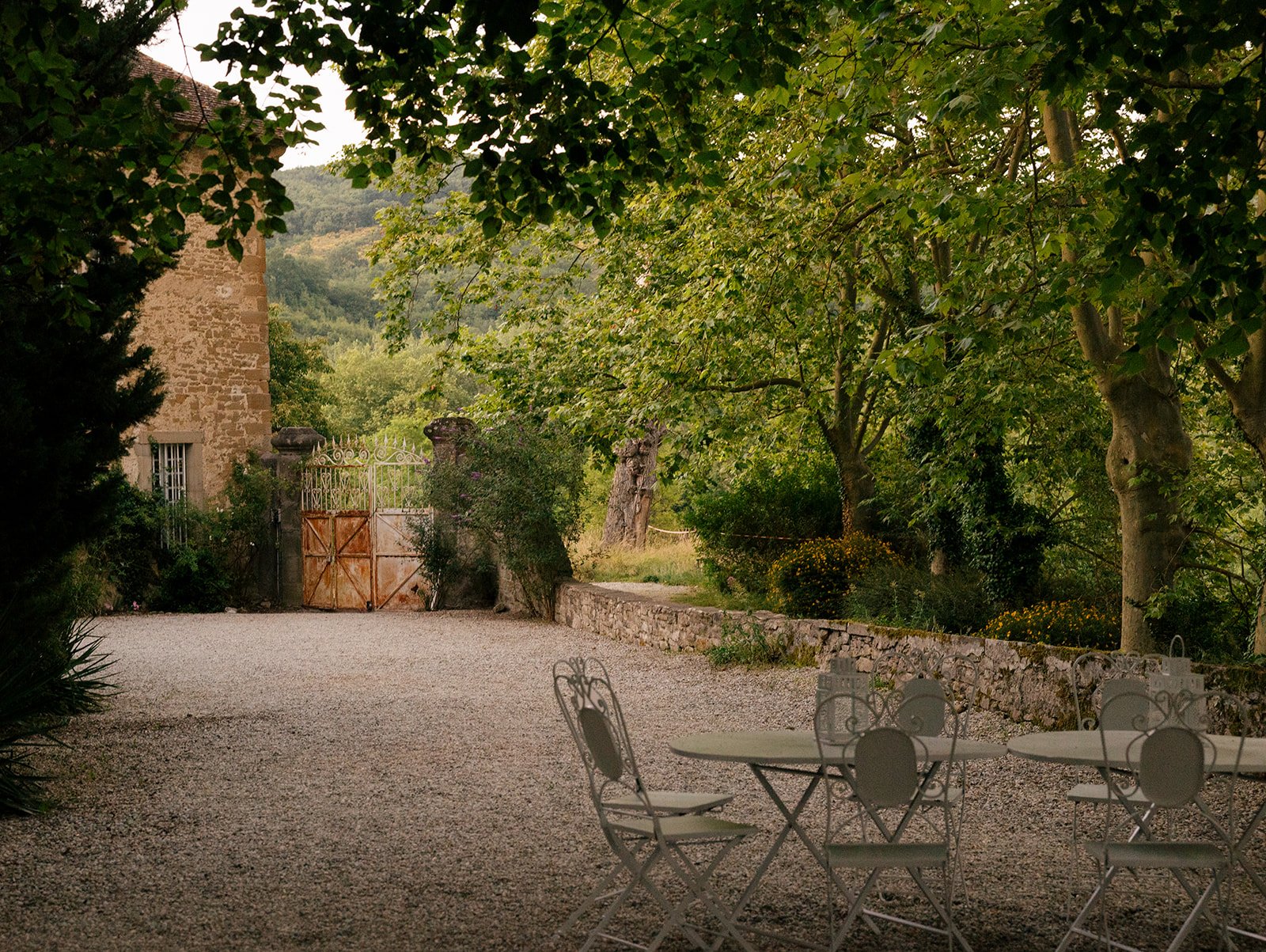
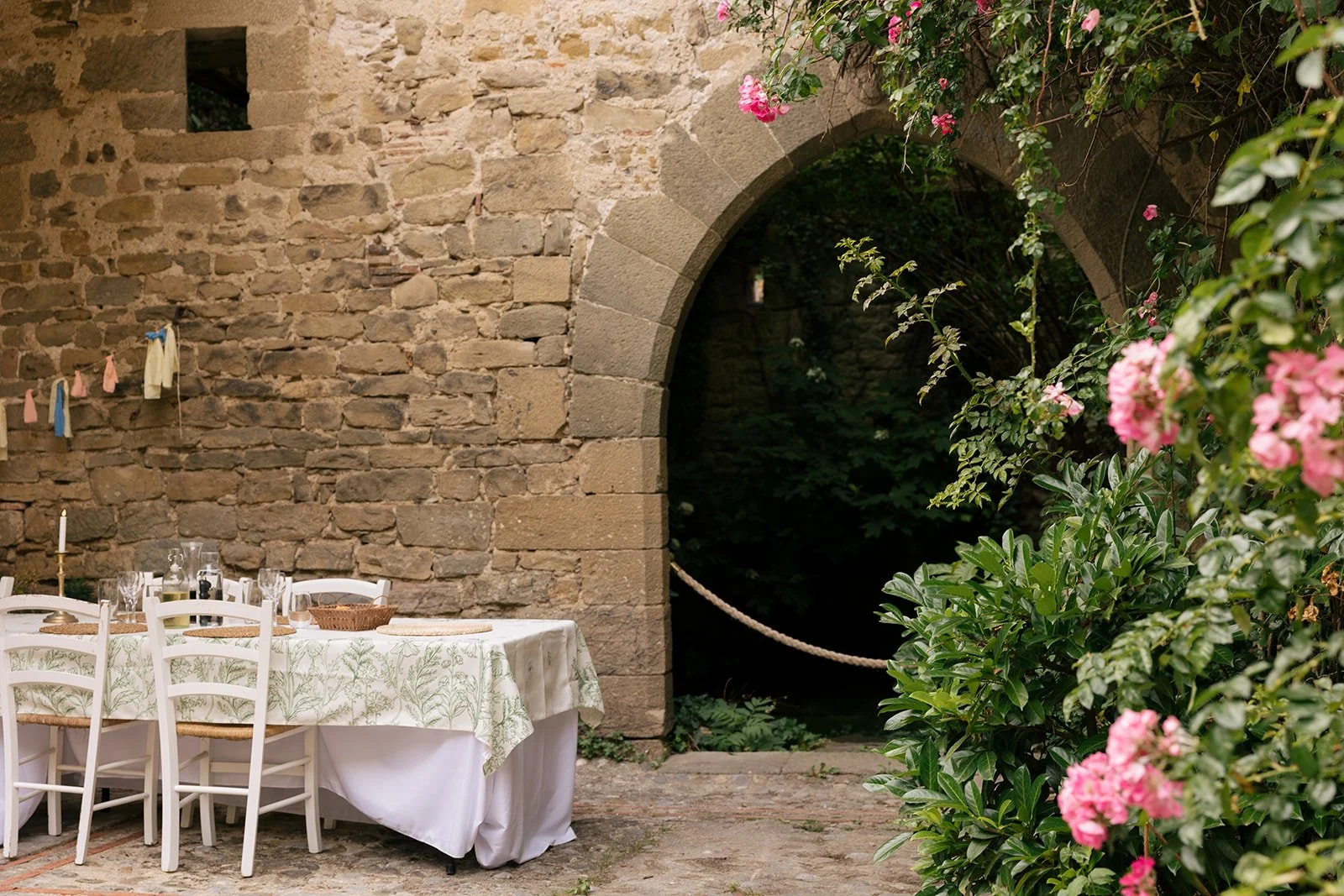
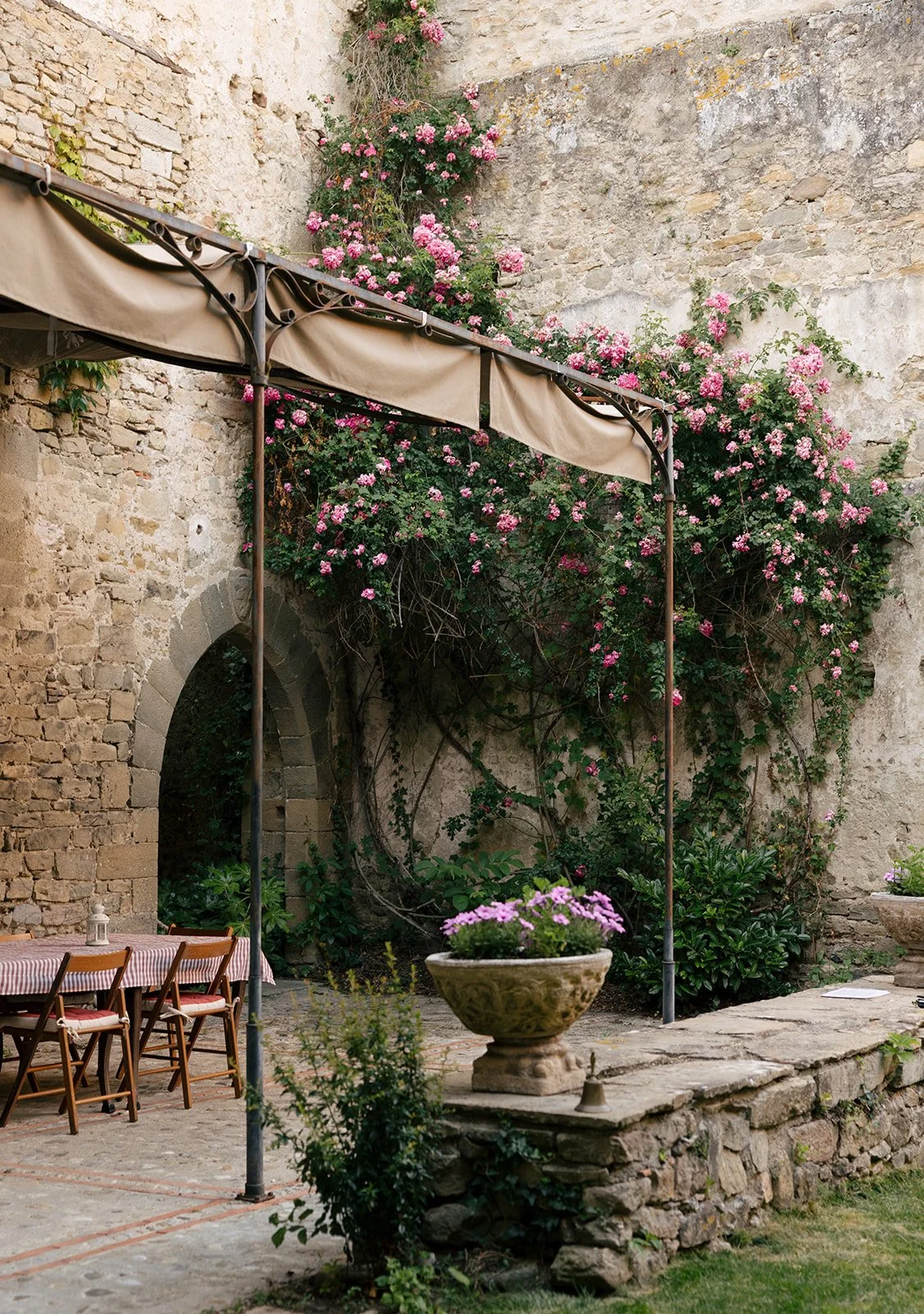
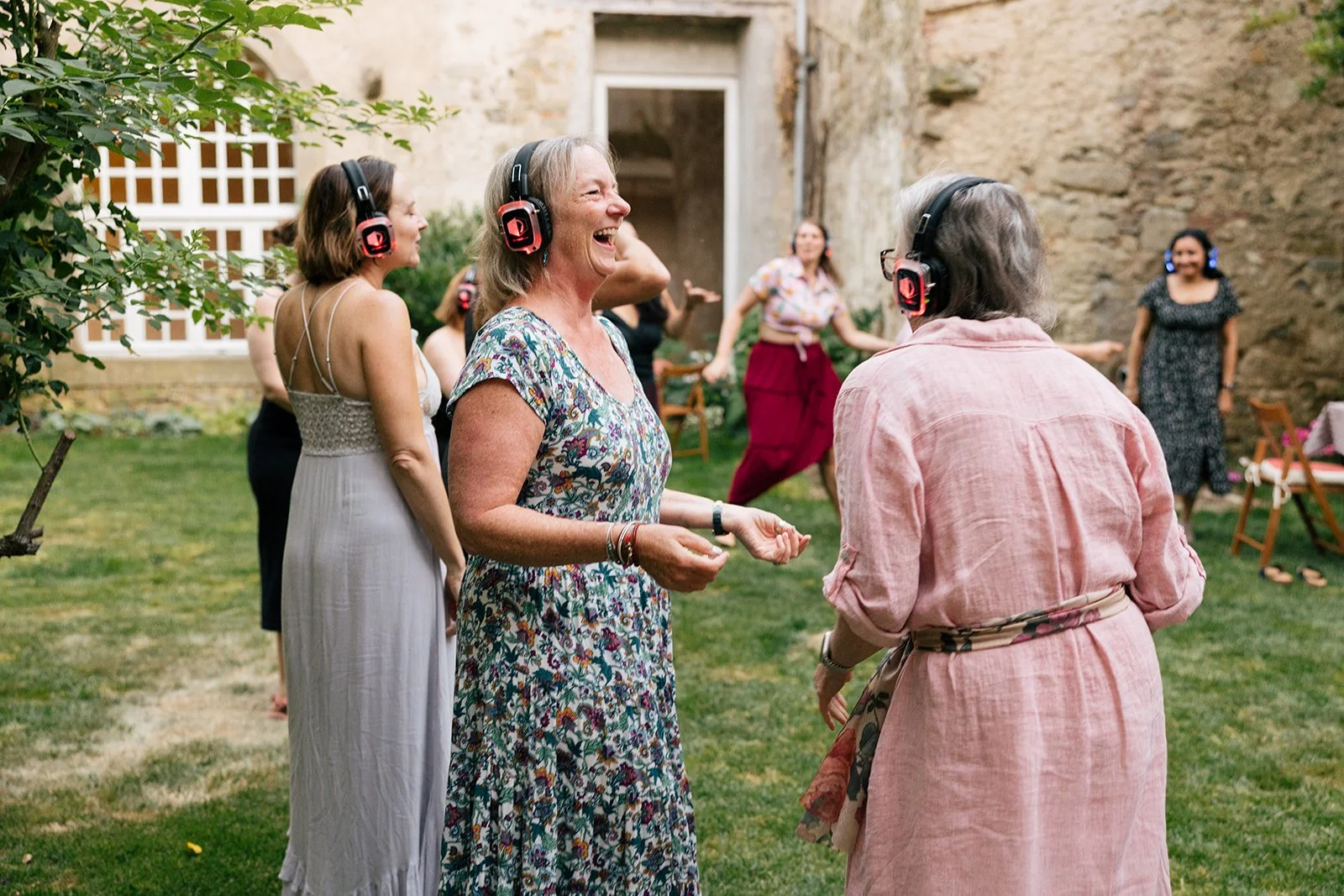
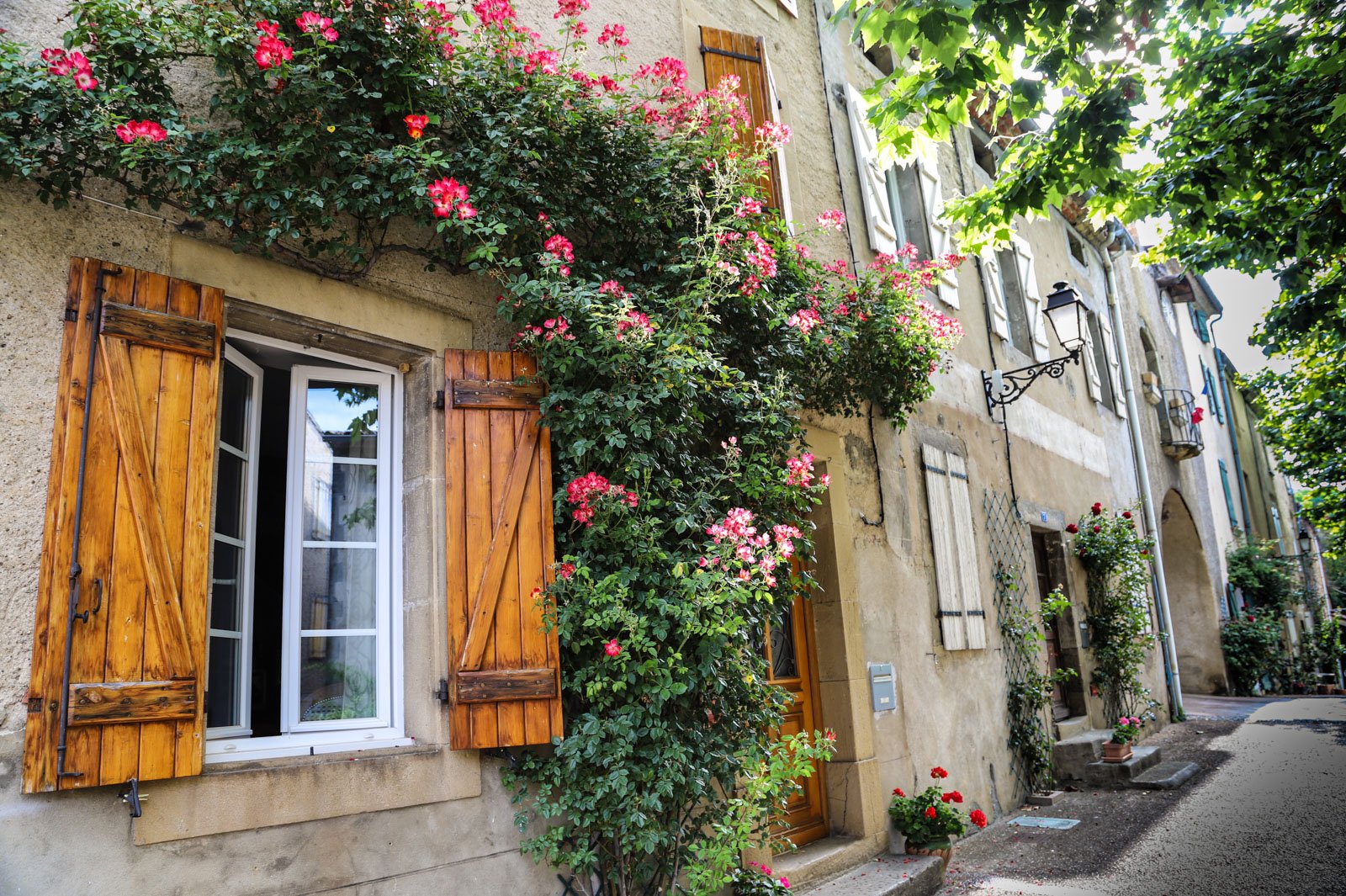
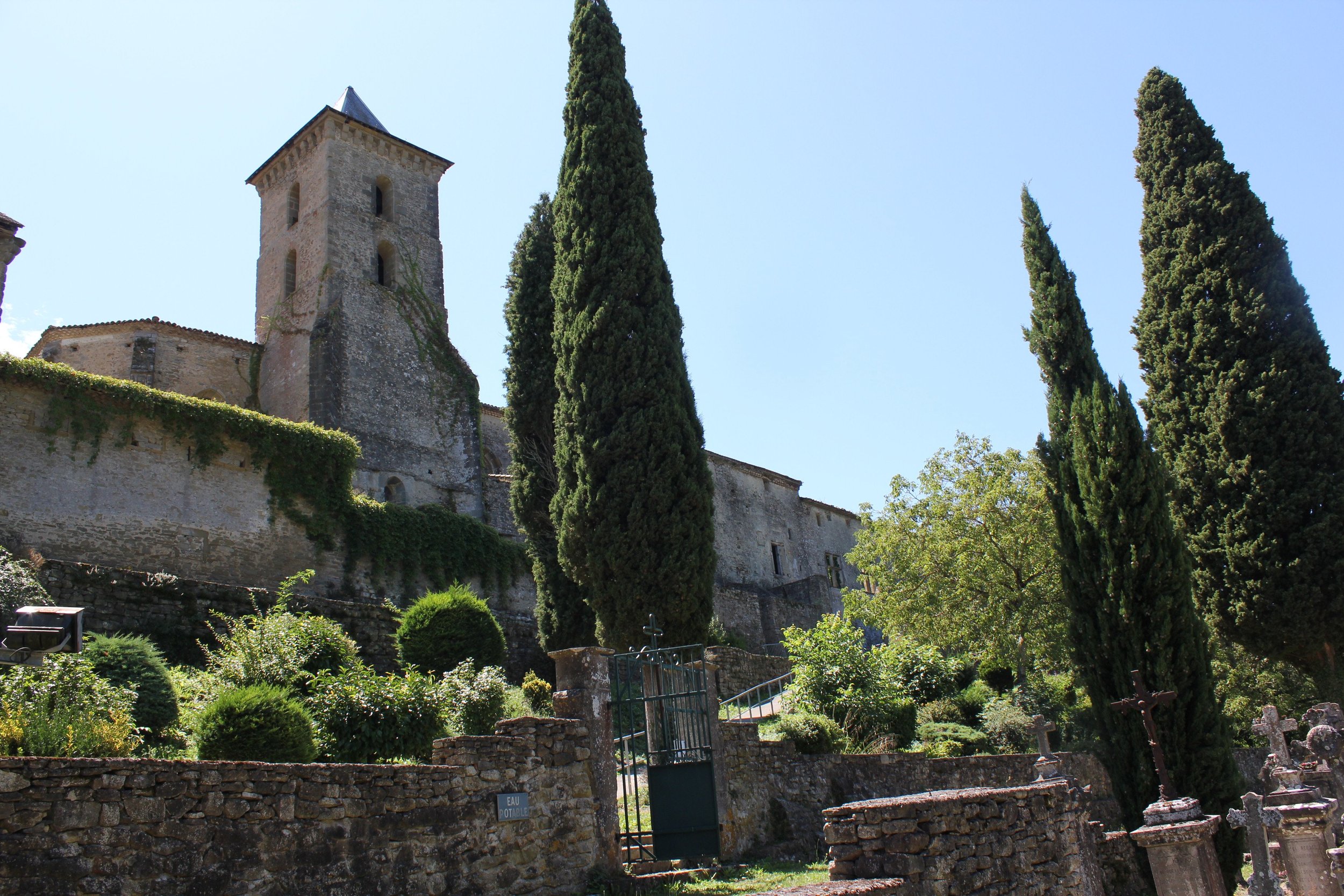
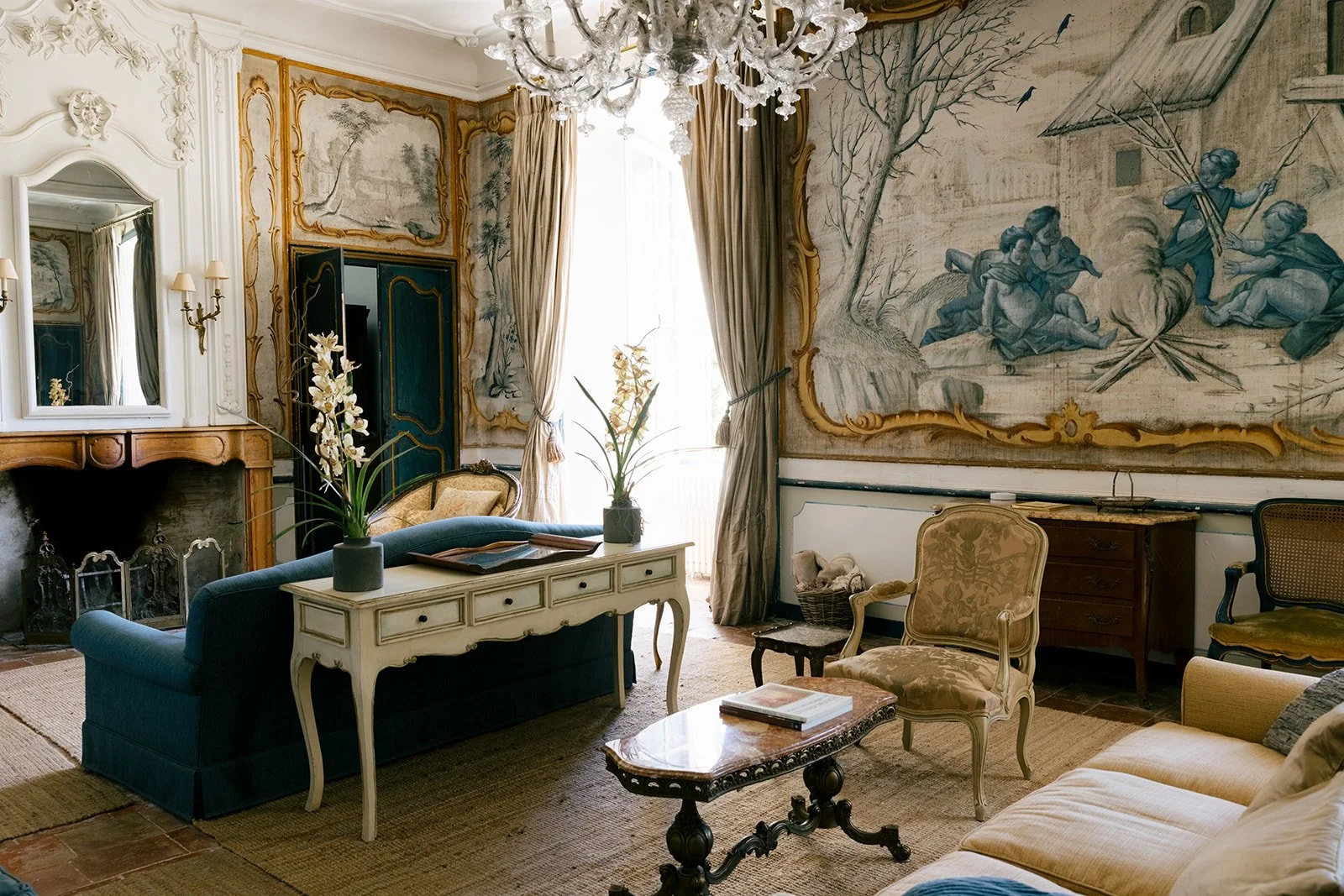
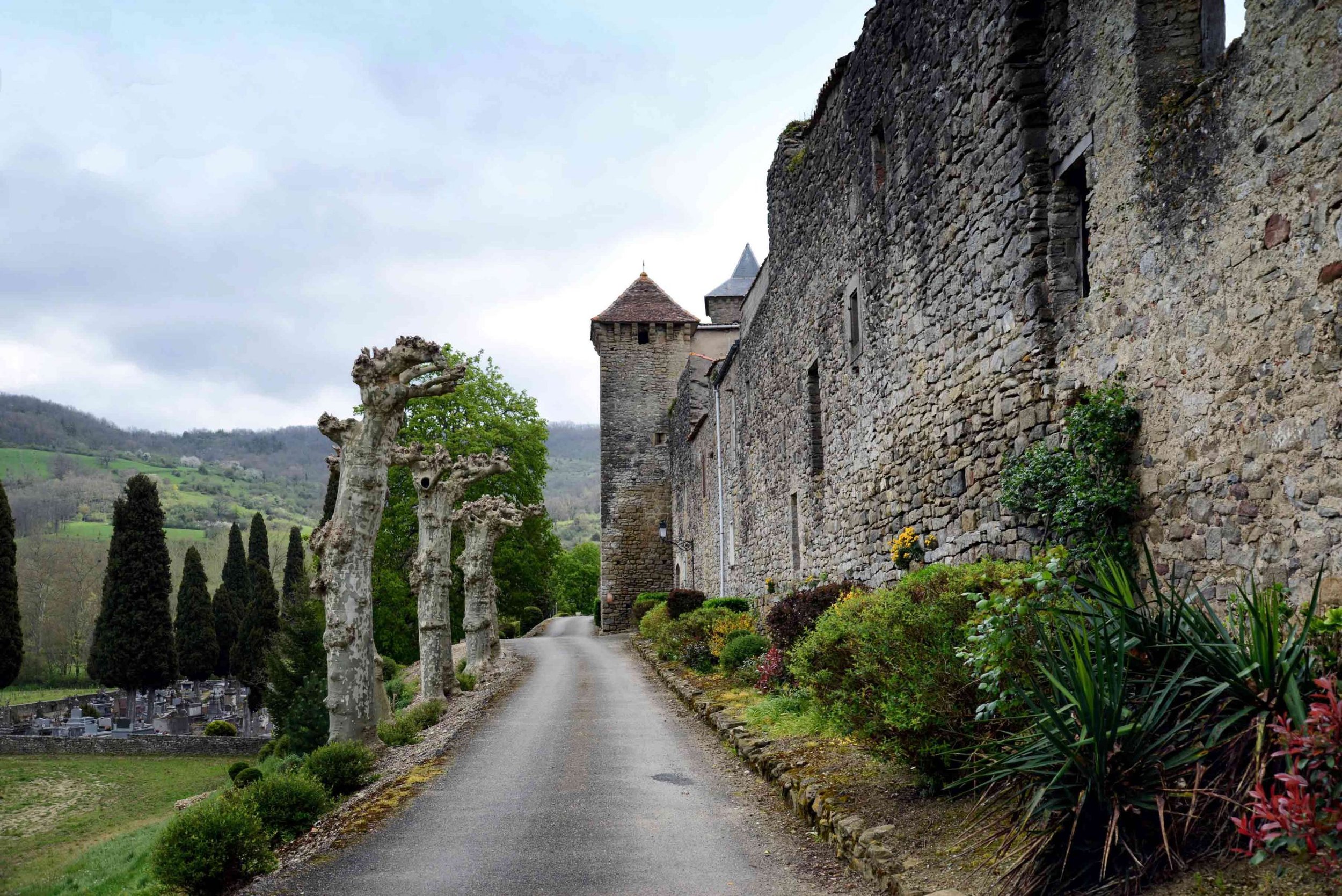
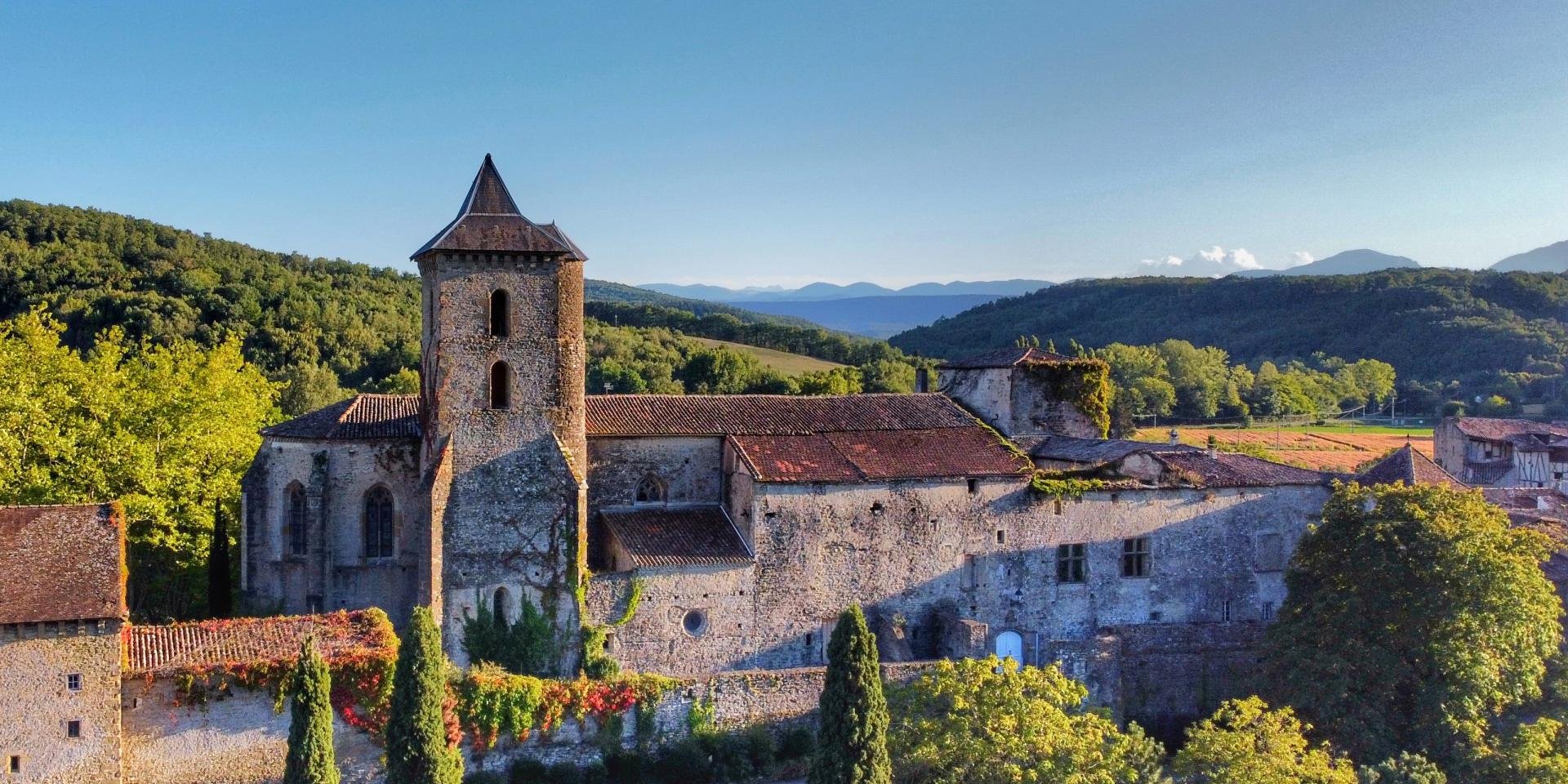
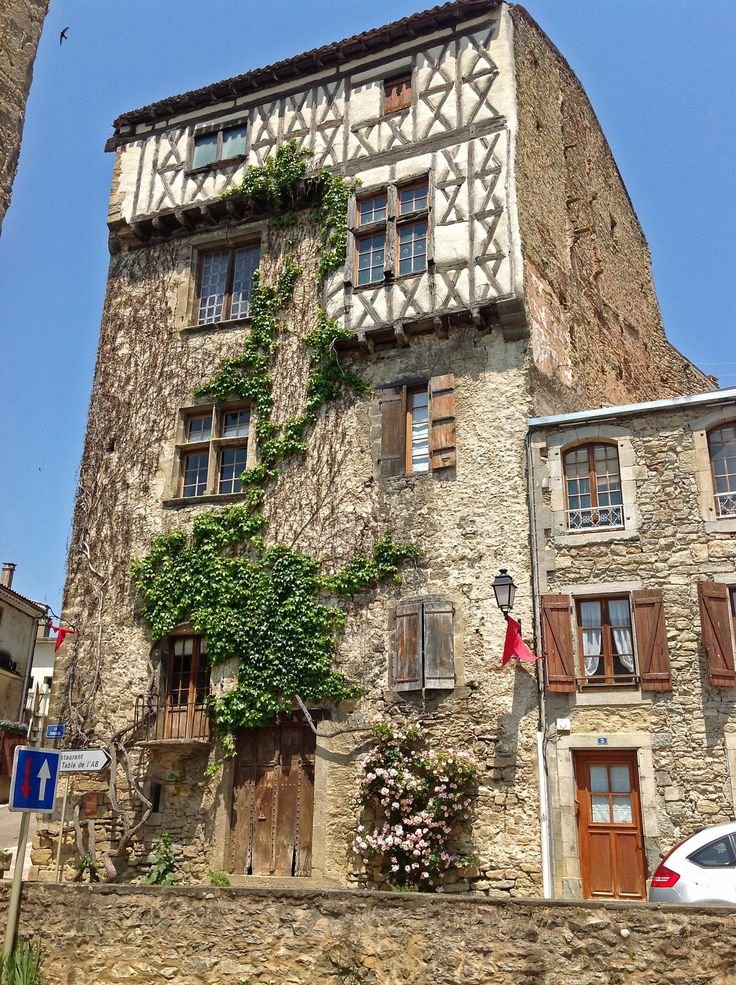
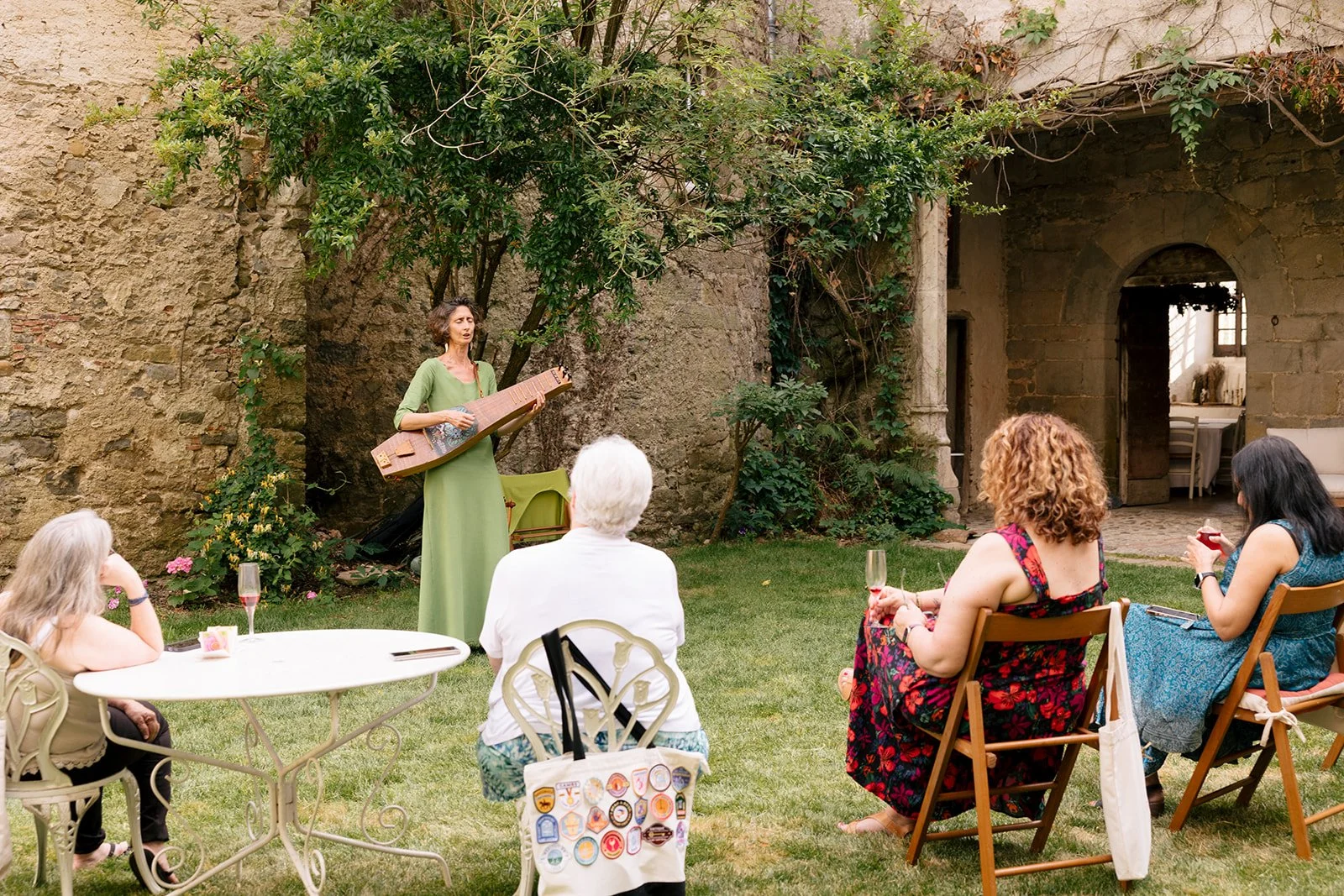
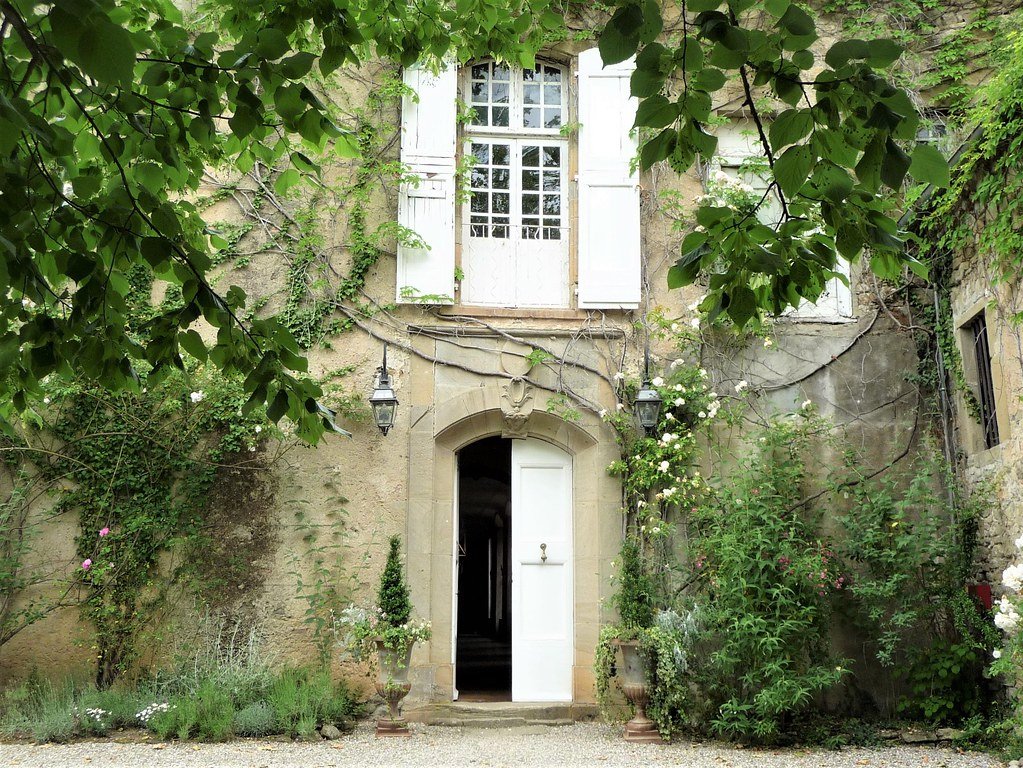
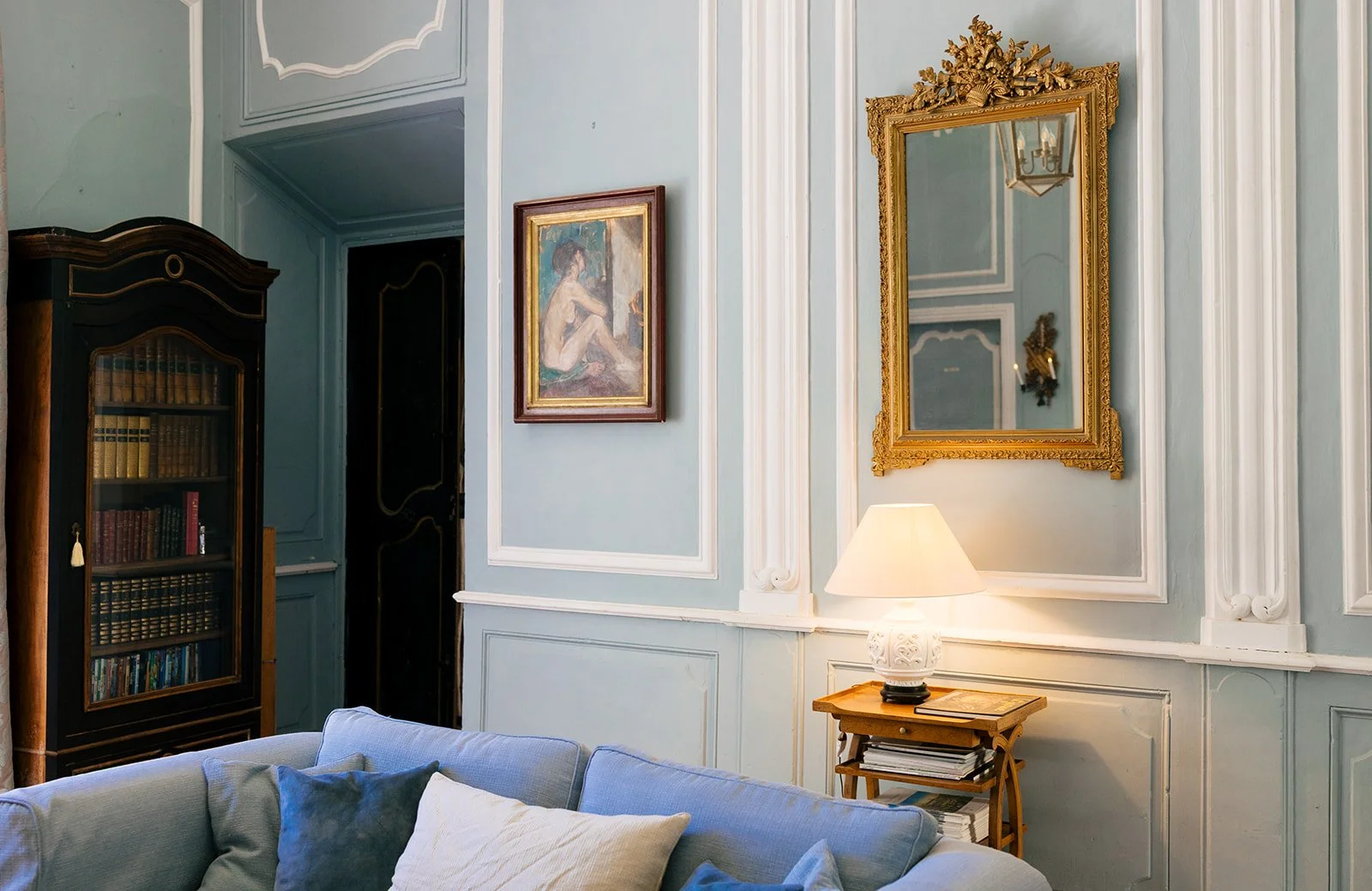
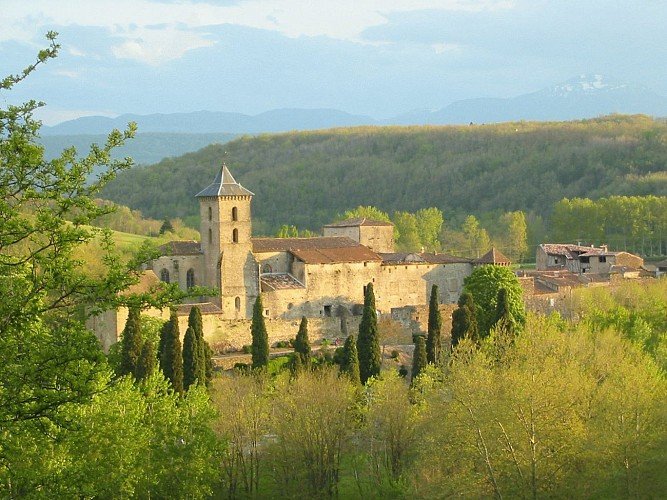
The enchantment of L’Abbaye-Château de Camon greets you at the rose-covered entrance and lingers in the long, cloistered hallways and in the mural-covered walls of the salons. Atop one of France’s official plus beaux villages, this former Benedictine abbey-turned-château is steeped in nearly a thousand years of history. Step through its doors and you’re instantly in the heart of the village—stone lanes, shuttered windows, and warm greetings just a moment away. Inside, the château is a world of open air and quiet charm. The leafy courtyard offers a hidden pocket of calm, while the wide terrace invites long meals, shared stories, and sunset views over the hills.
Jump to…
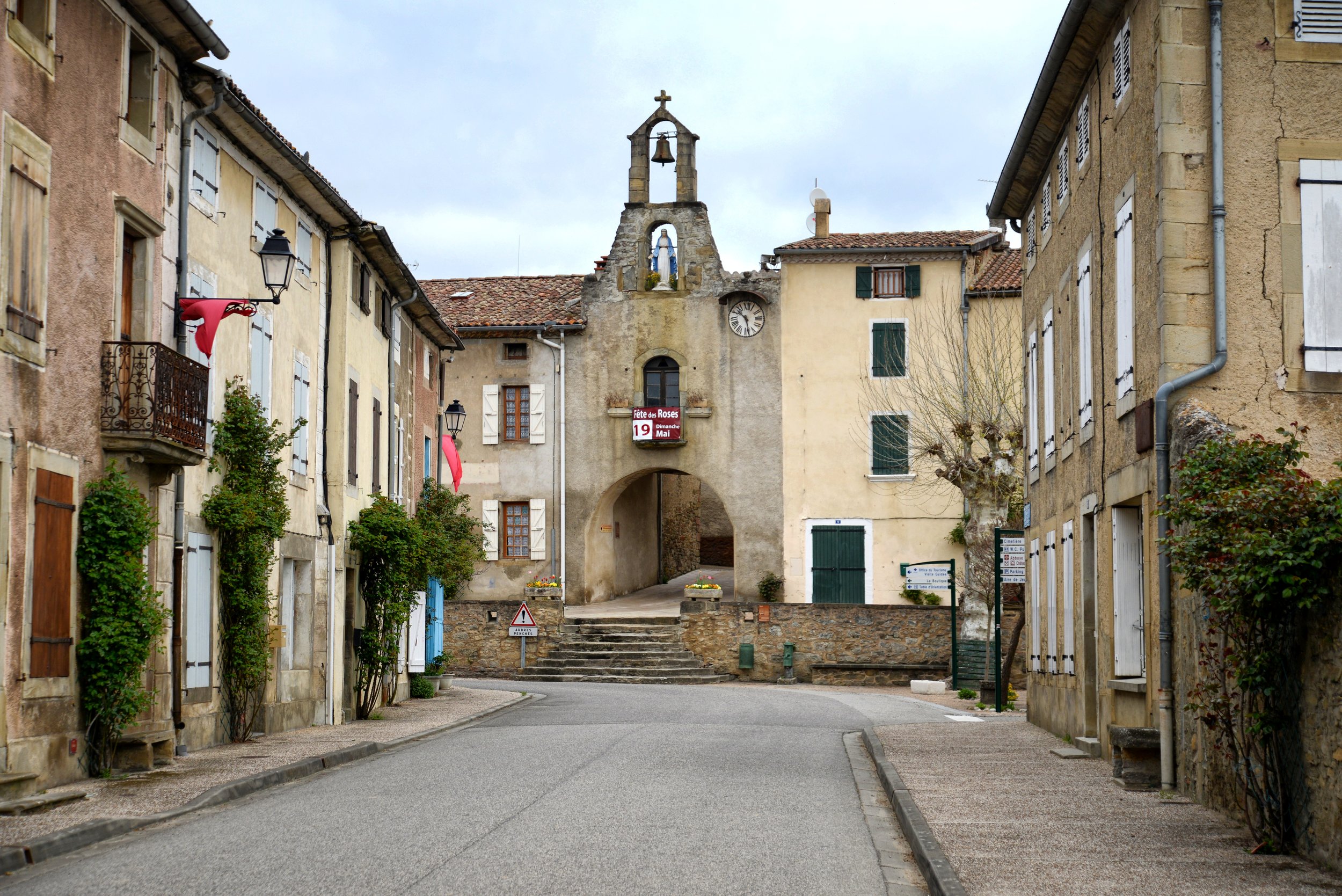
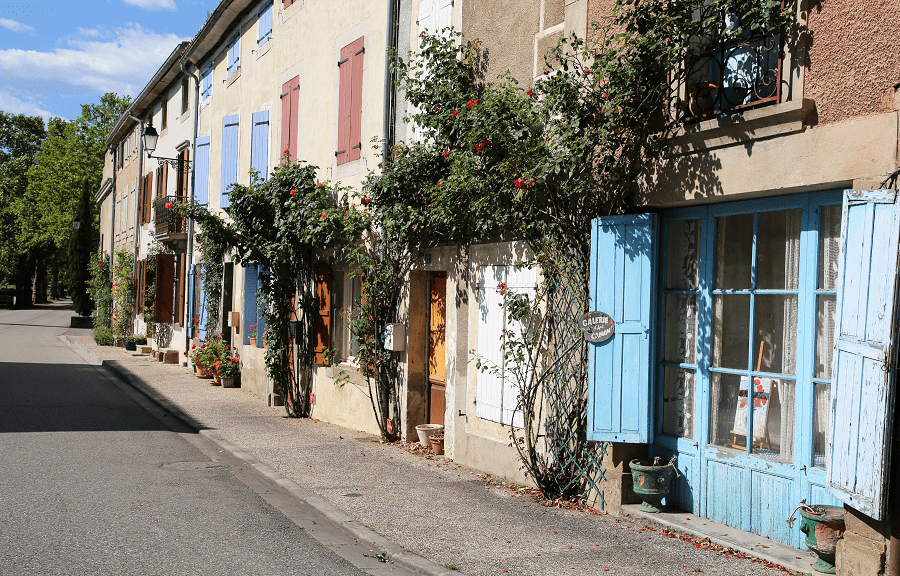
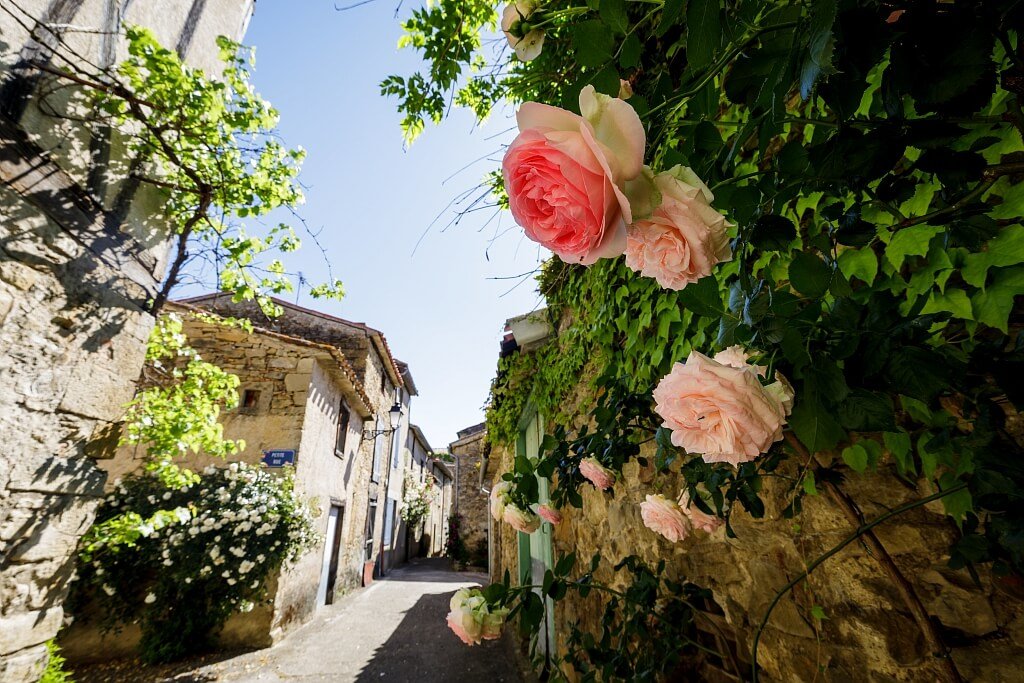
Camon is designated a “village fleuris” (village in bloom) and its nickname is “the village of a hundred roses”.
The Rose Festival in Camon takes place on the 3rd Sunday in May.
The Accommodations
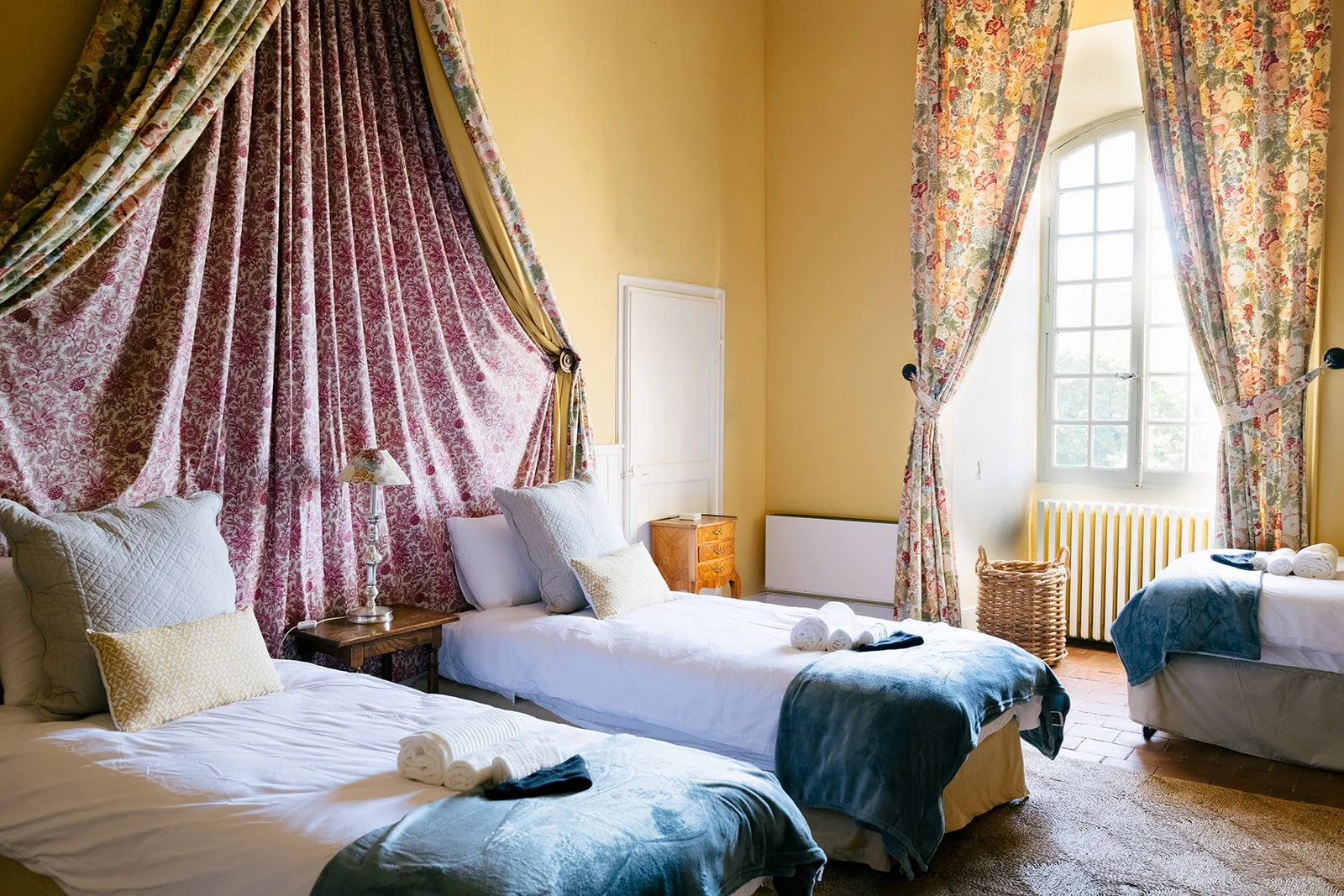
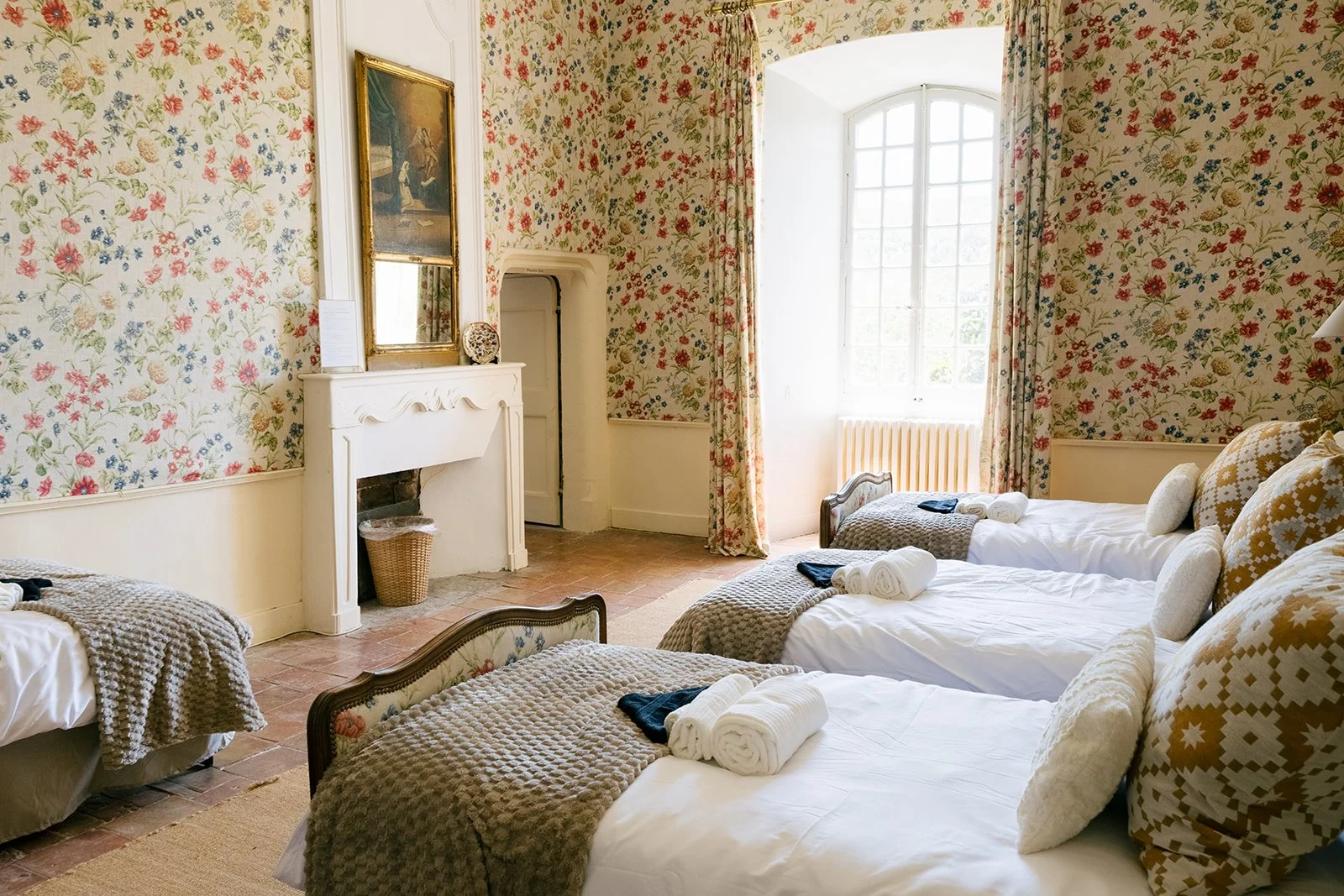
Each bunkroom is unique and special in it’s own way.
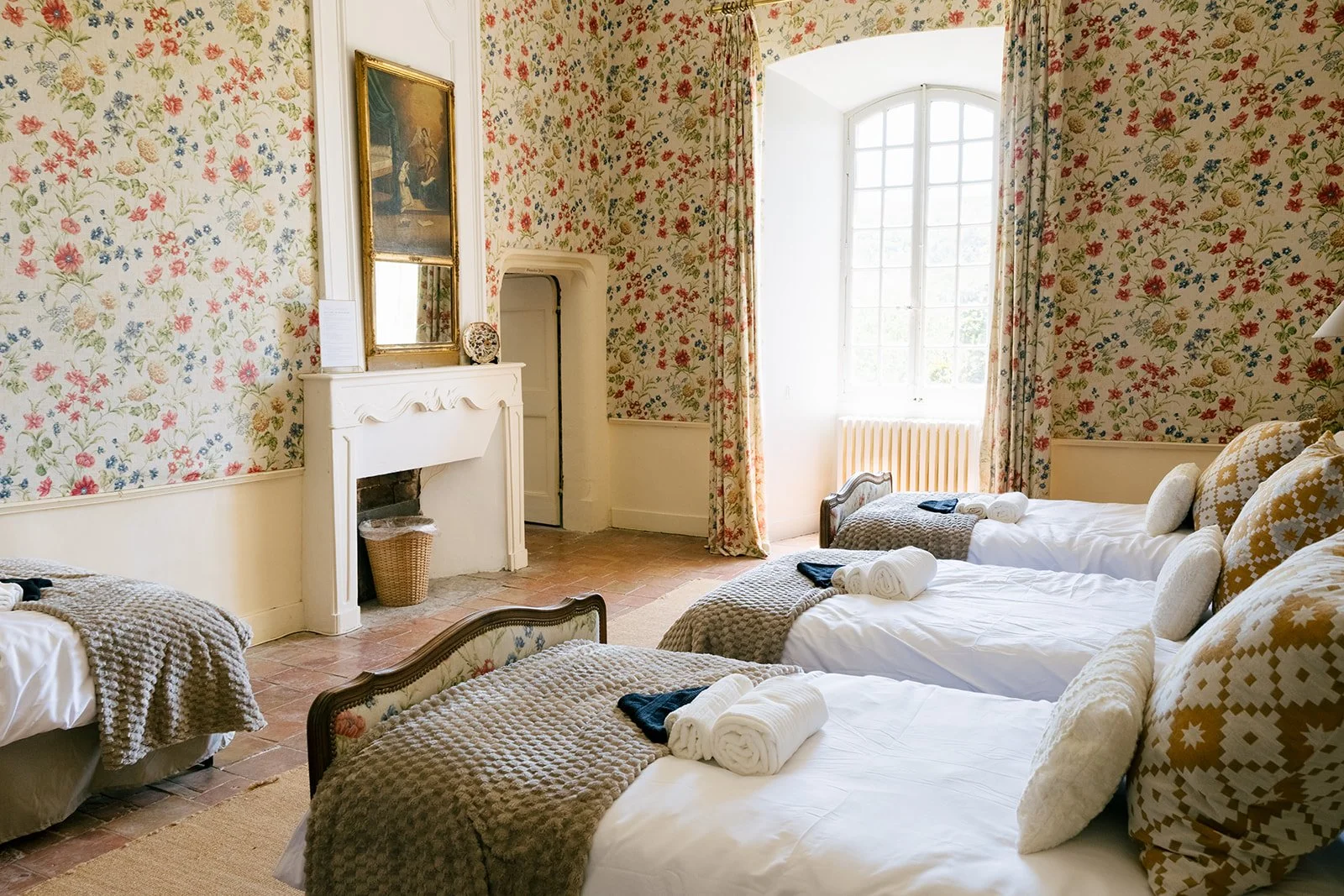
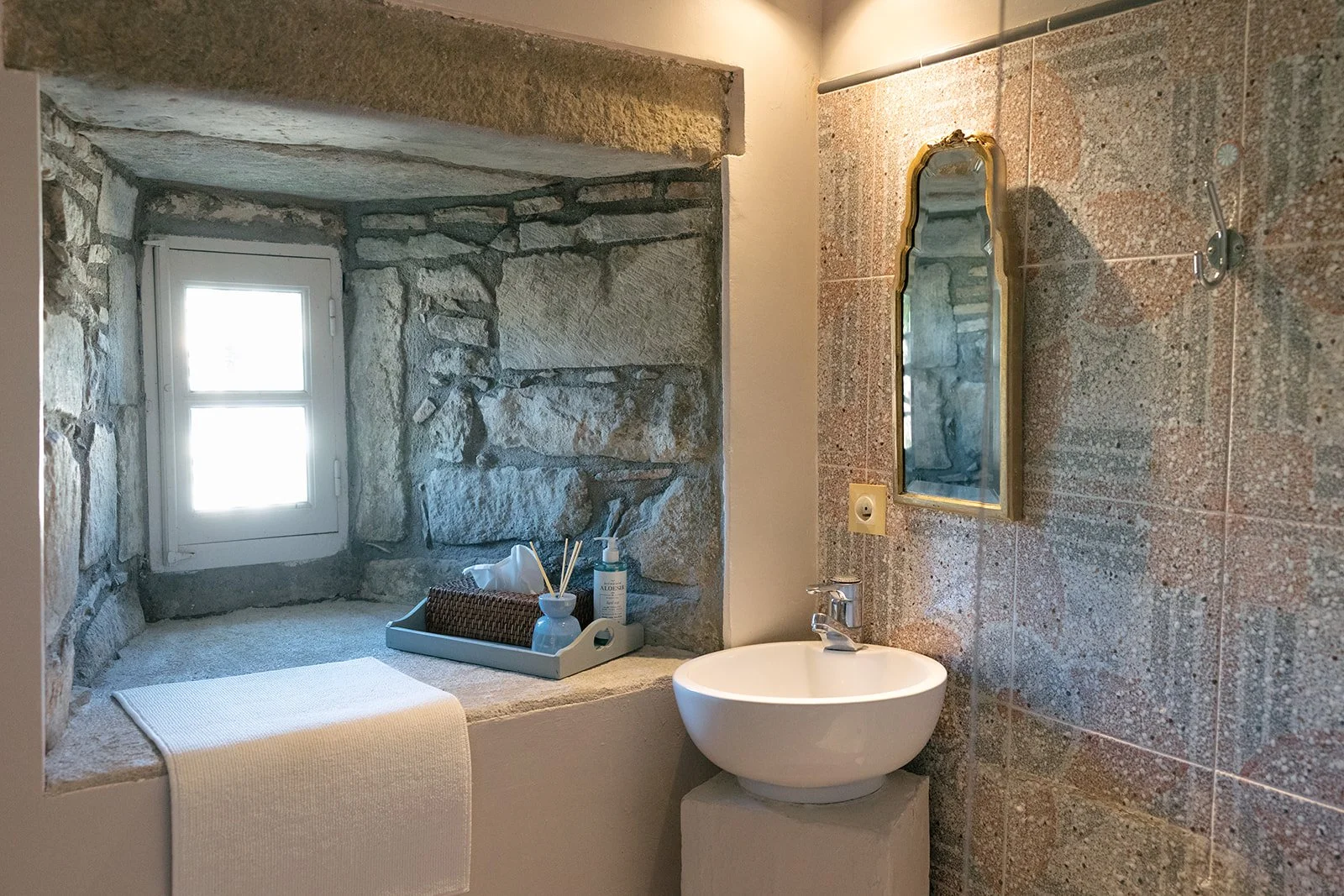
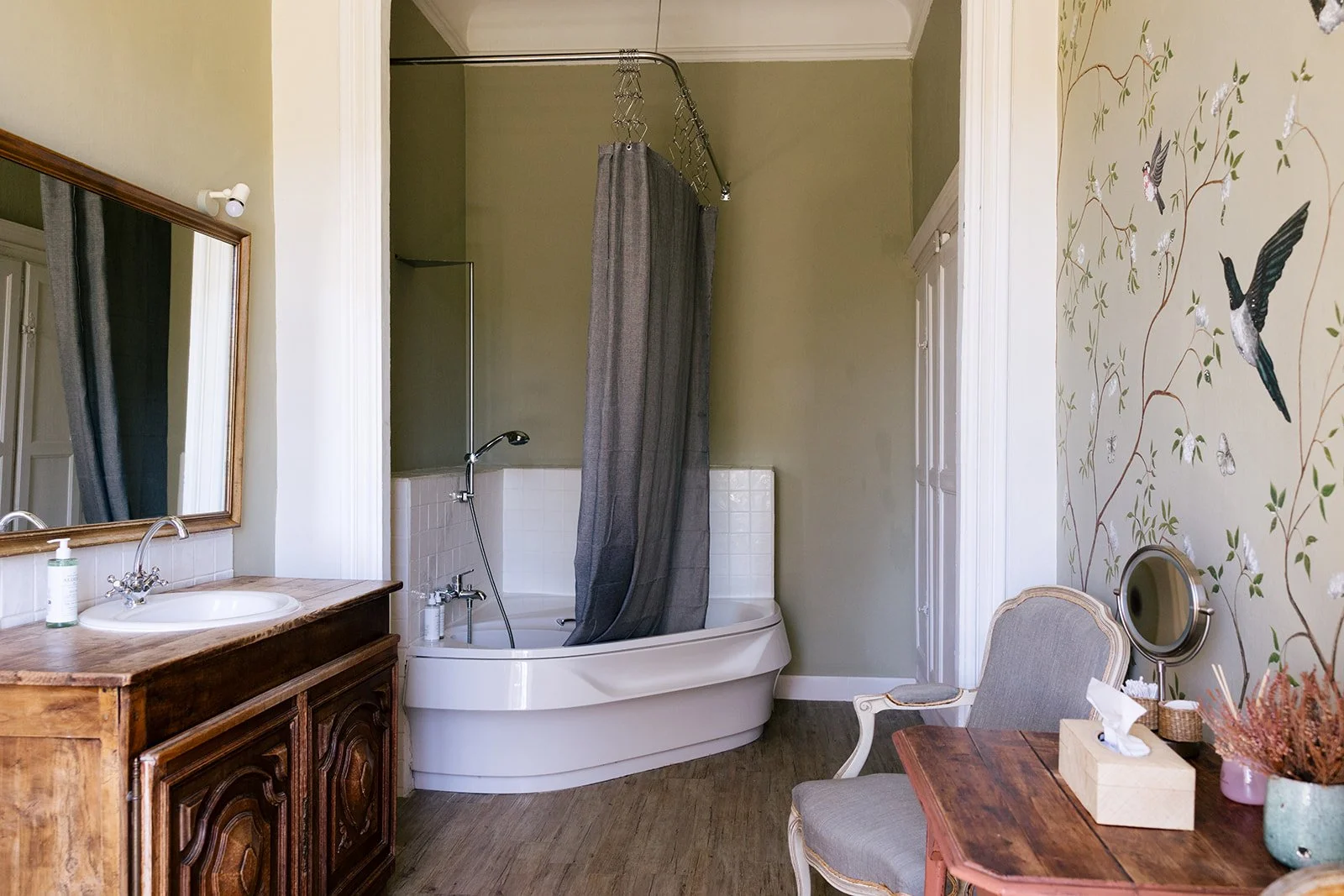
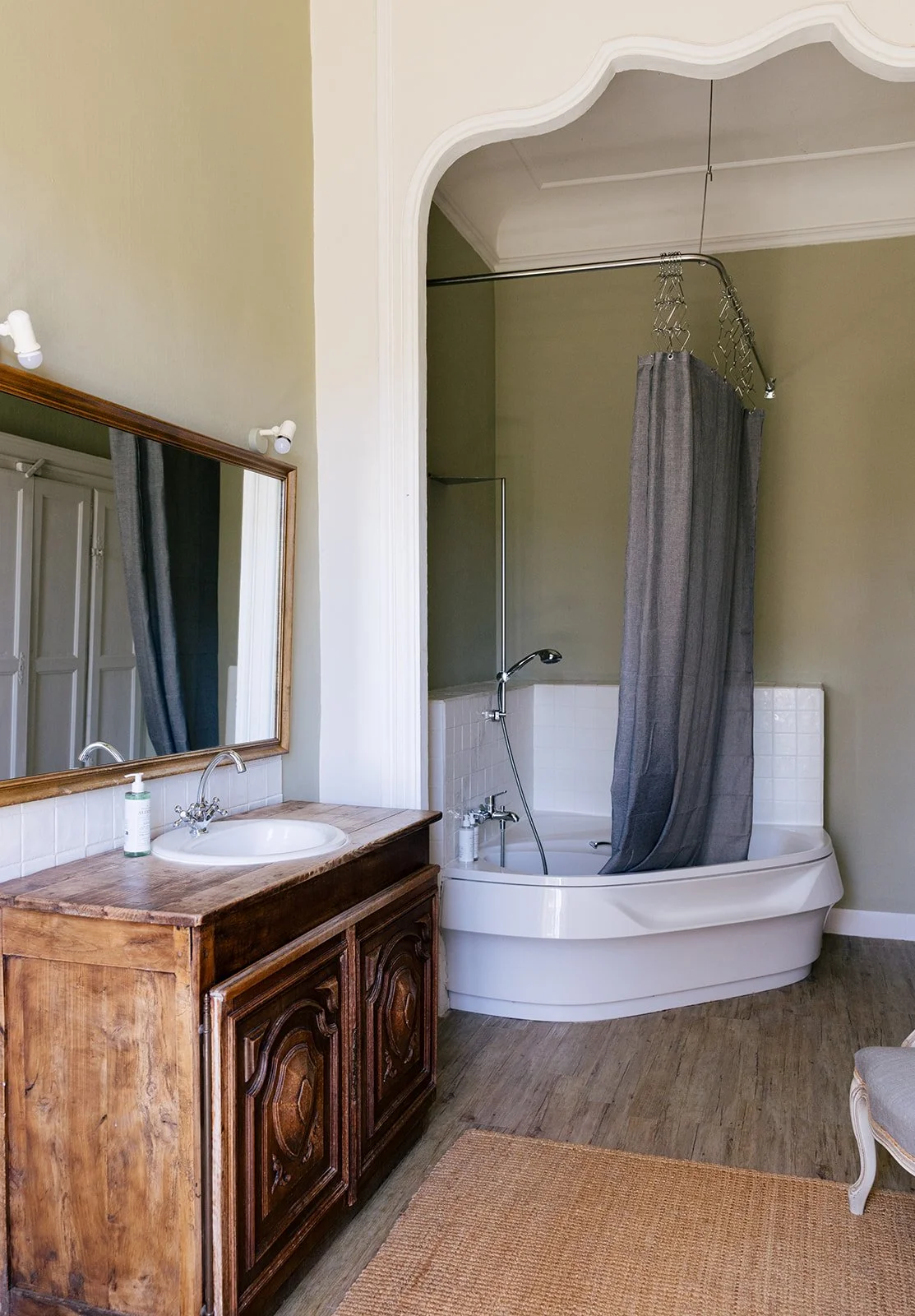
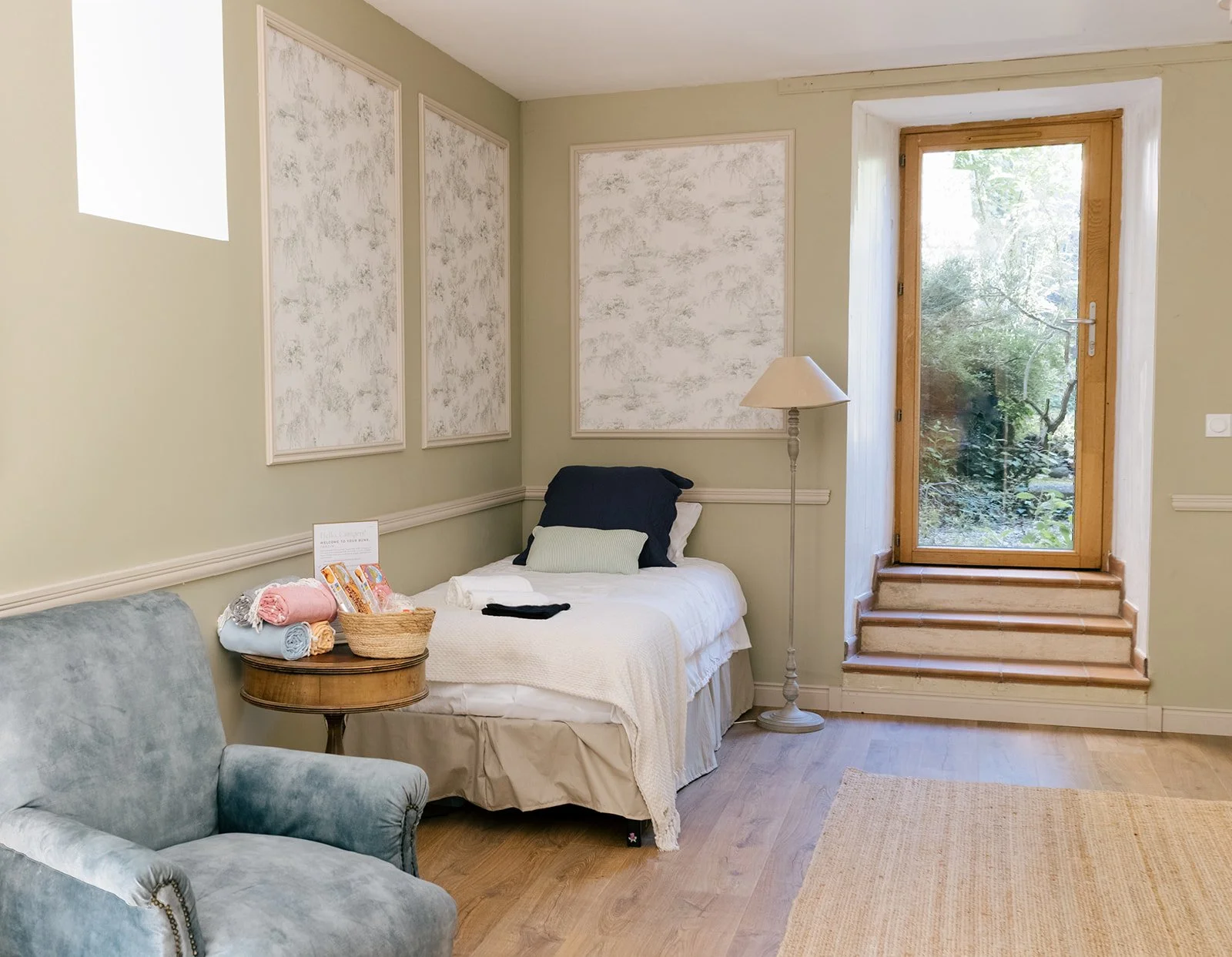
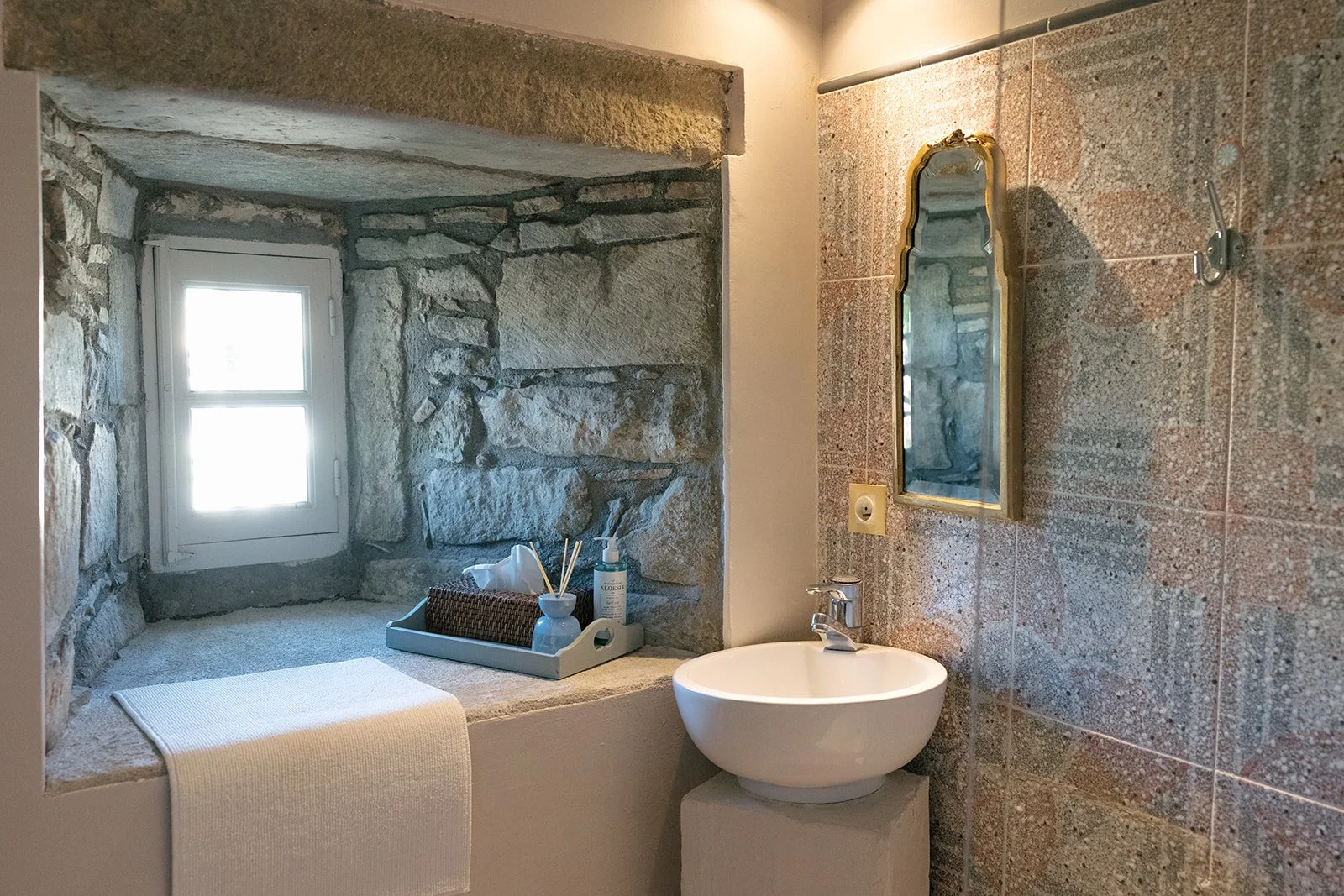
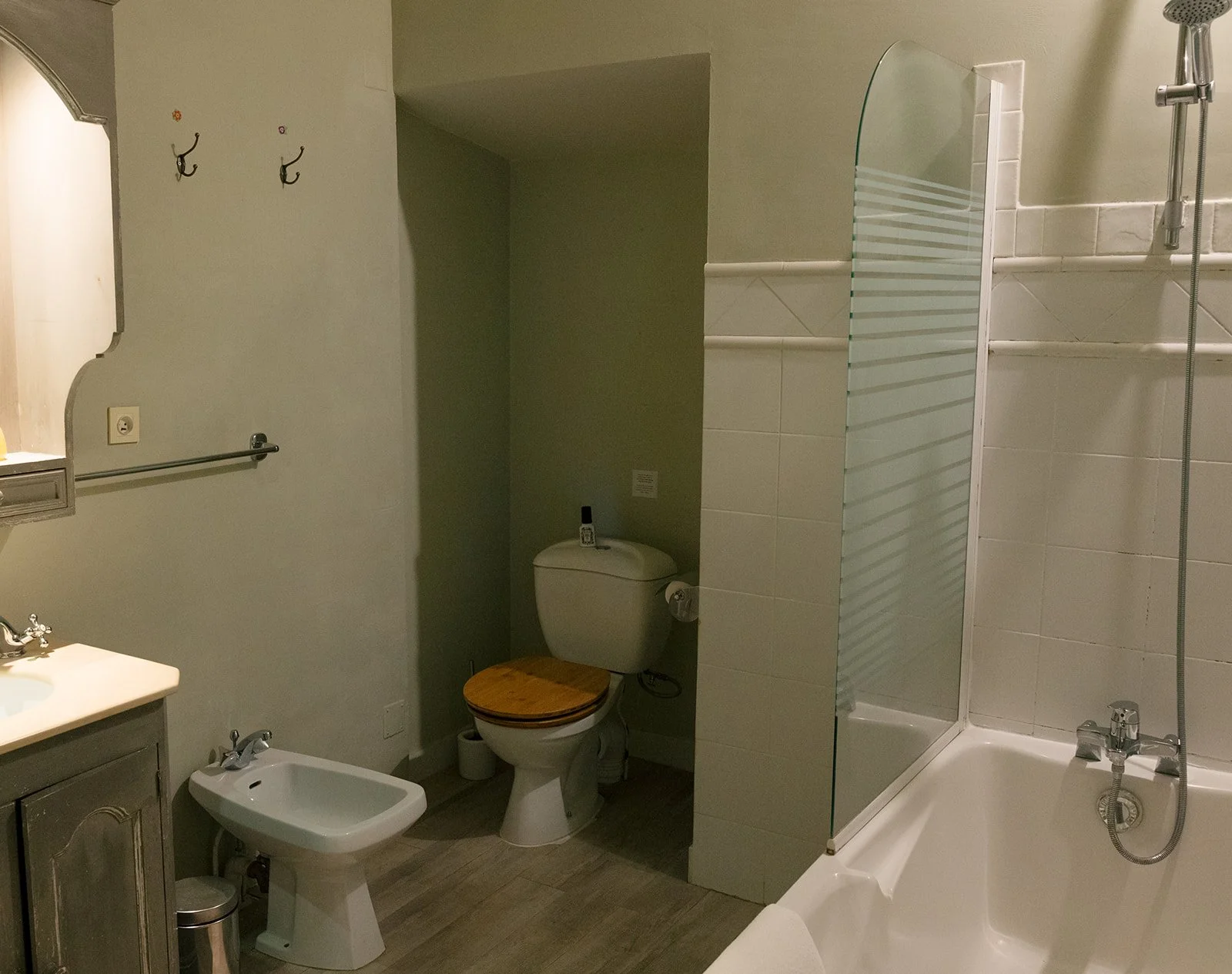
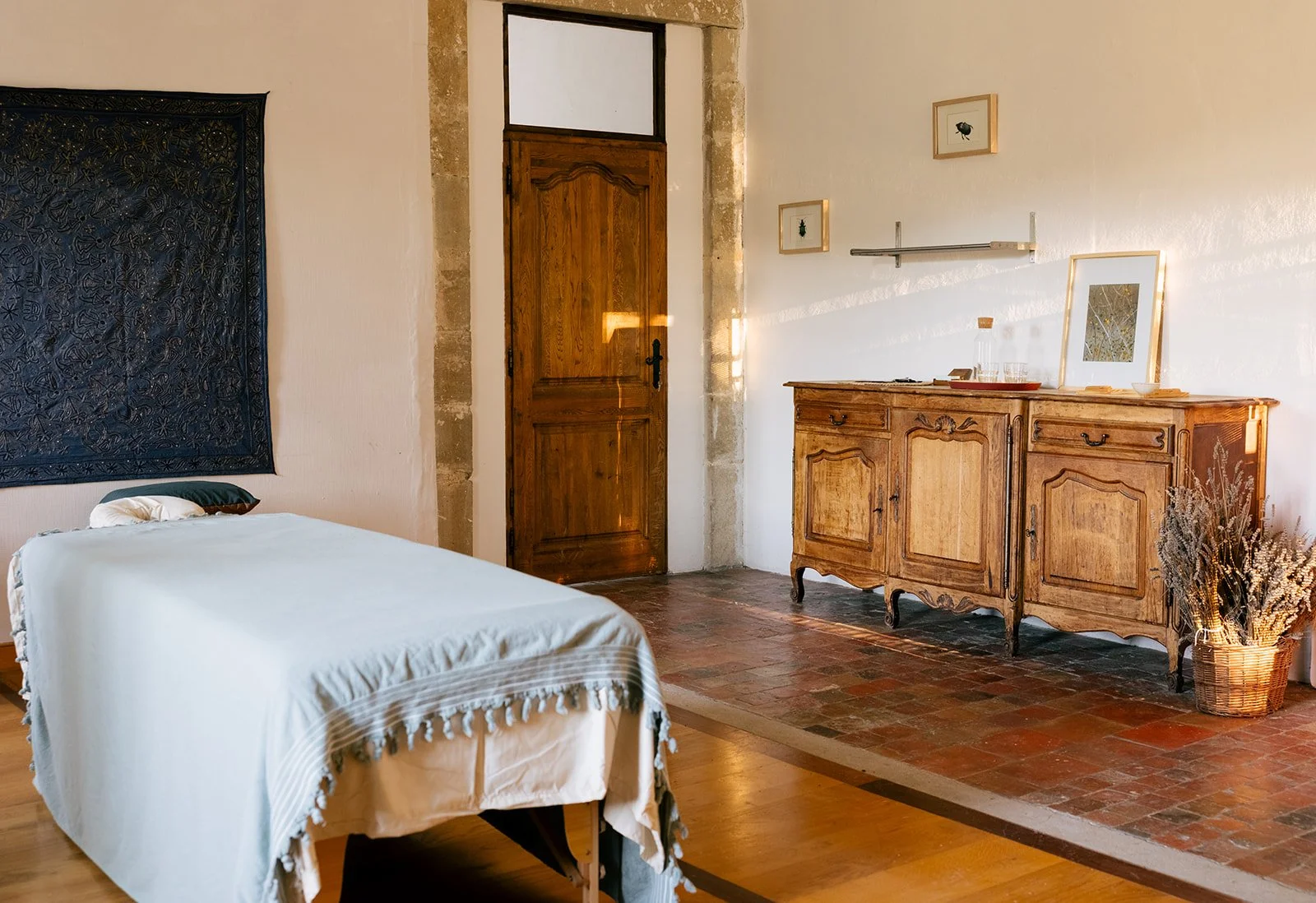
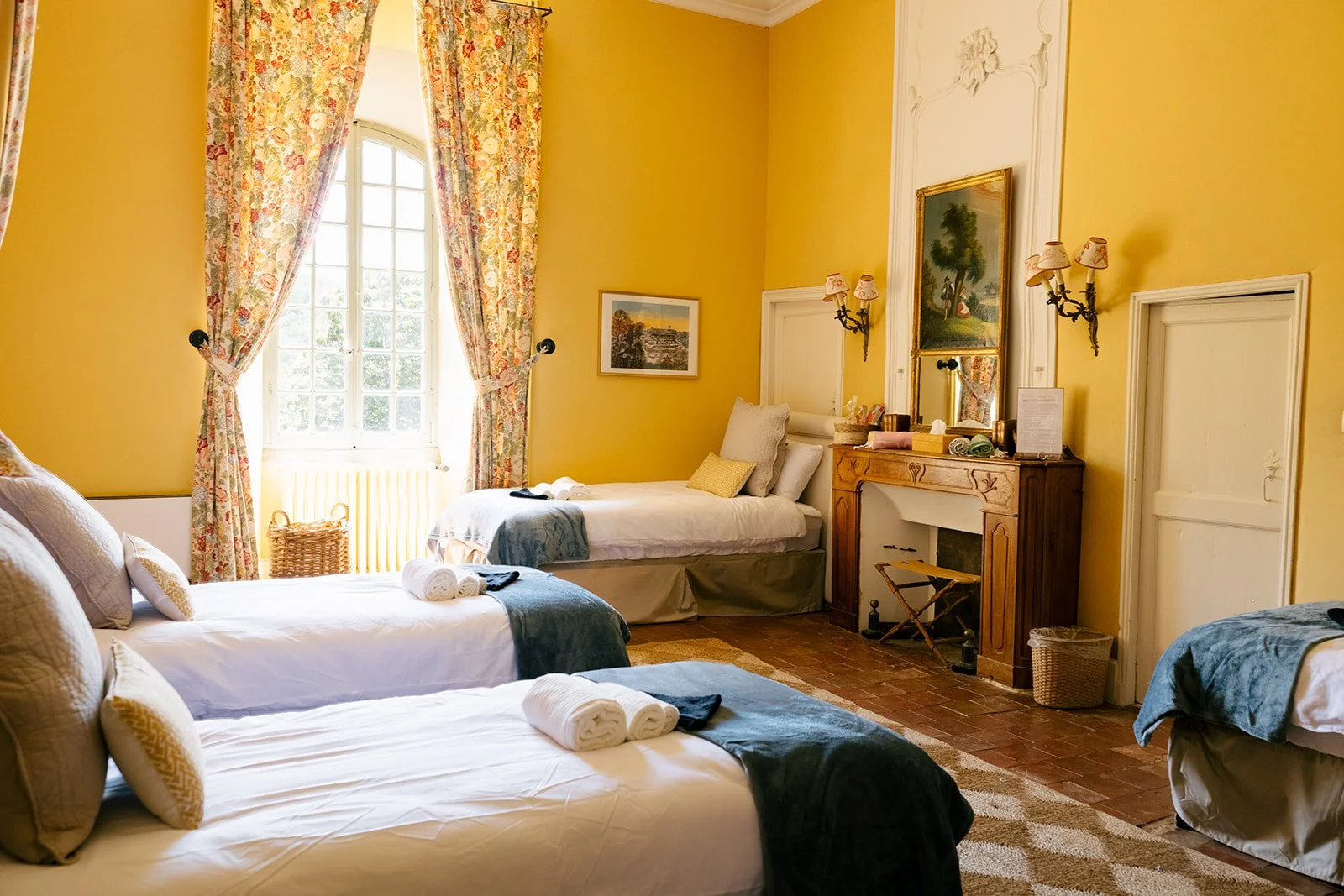
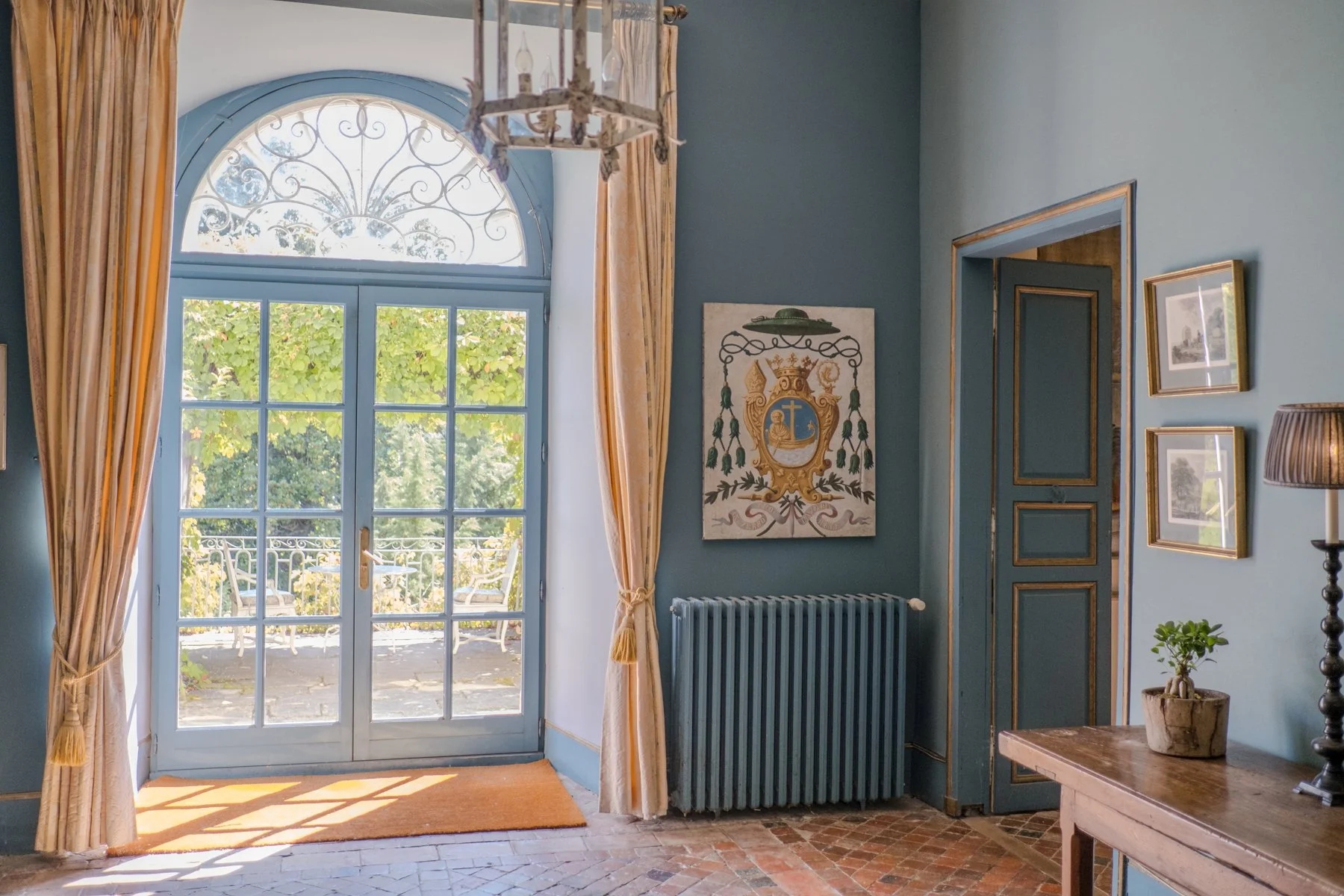
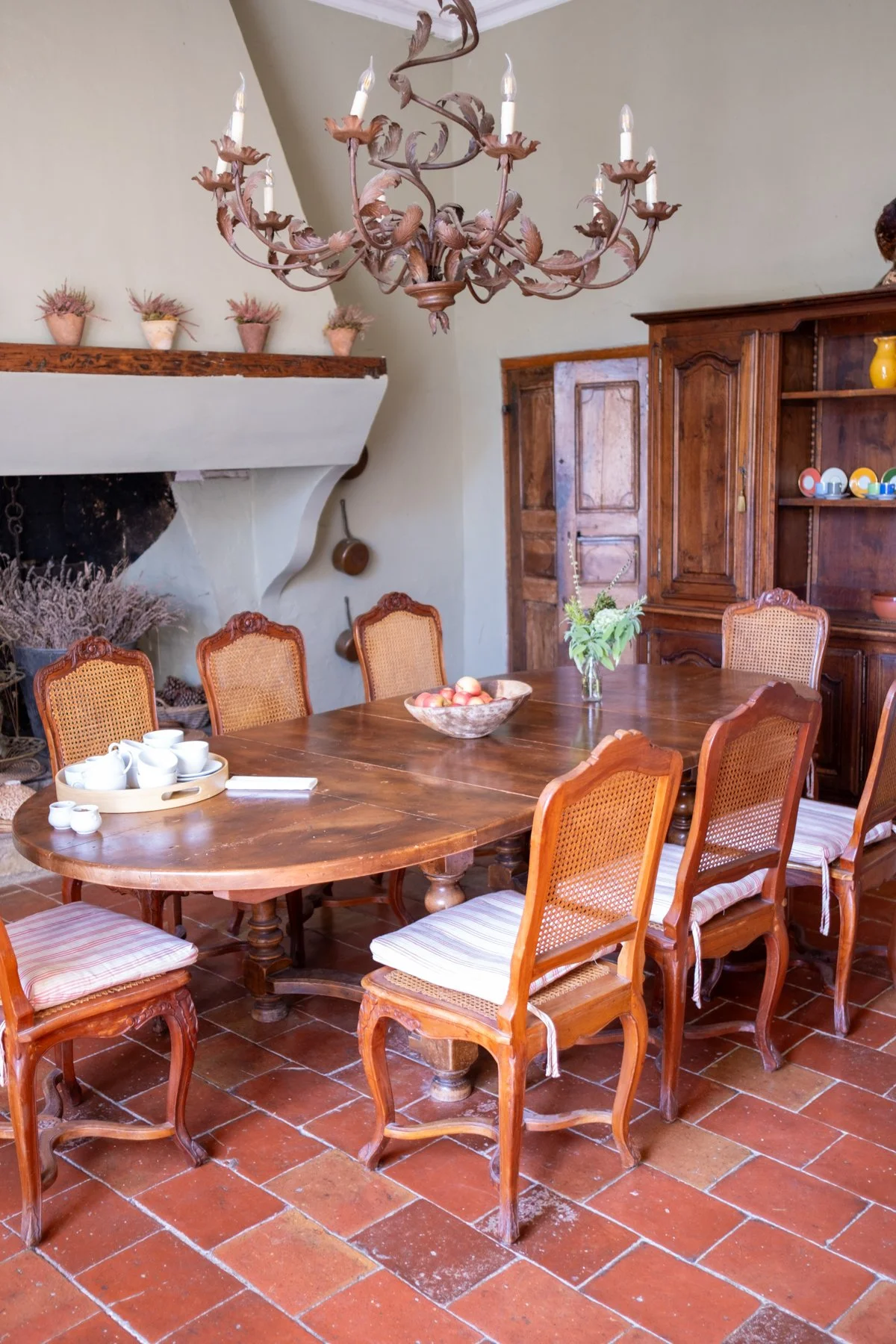
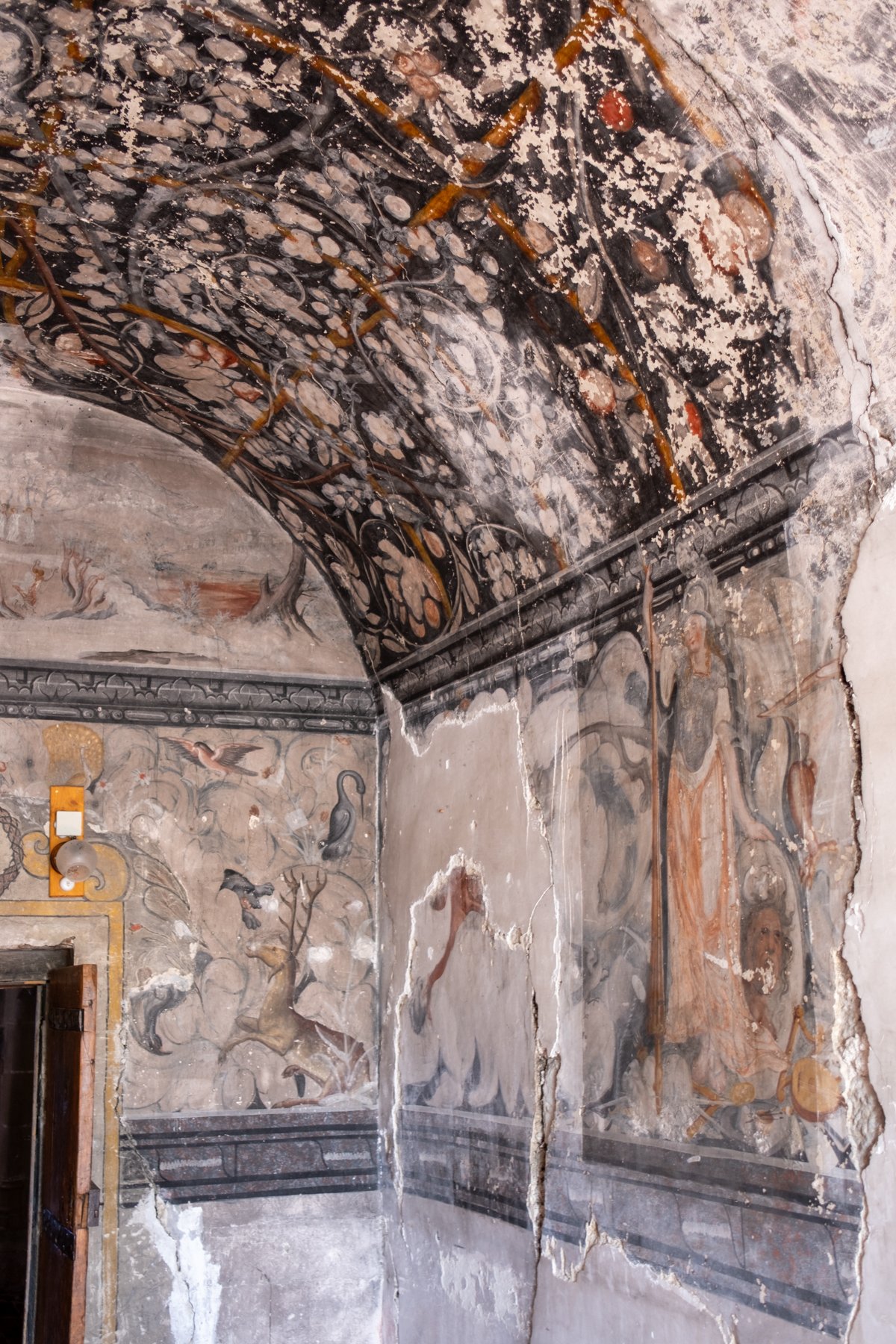
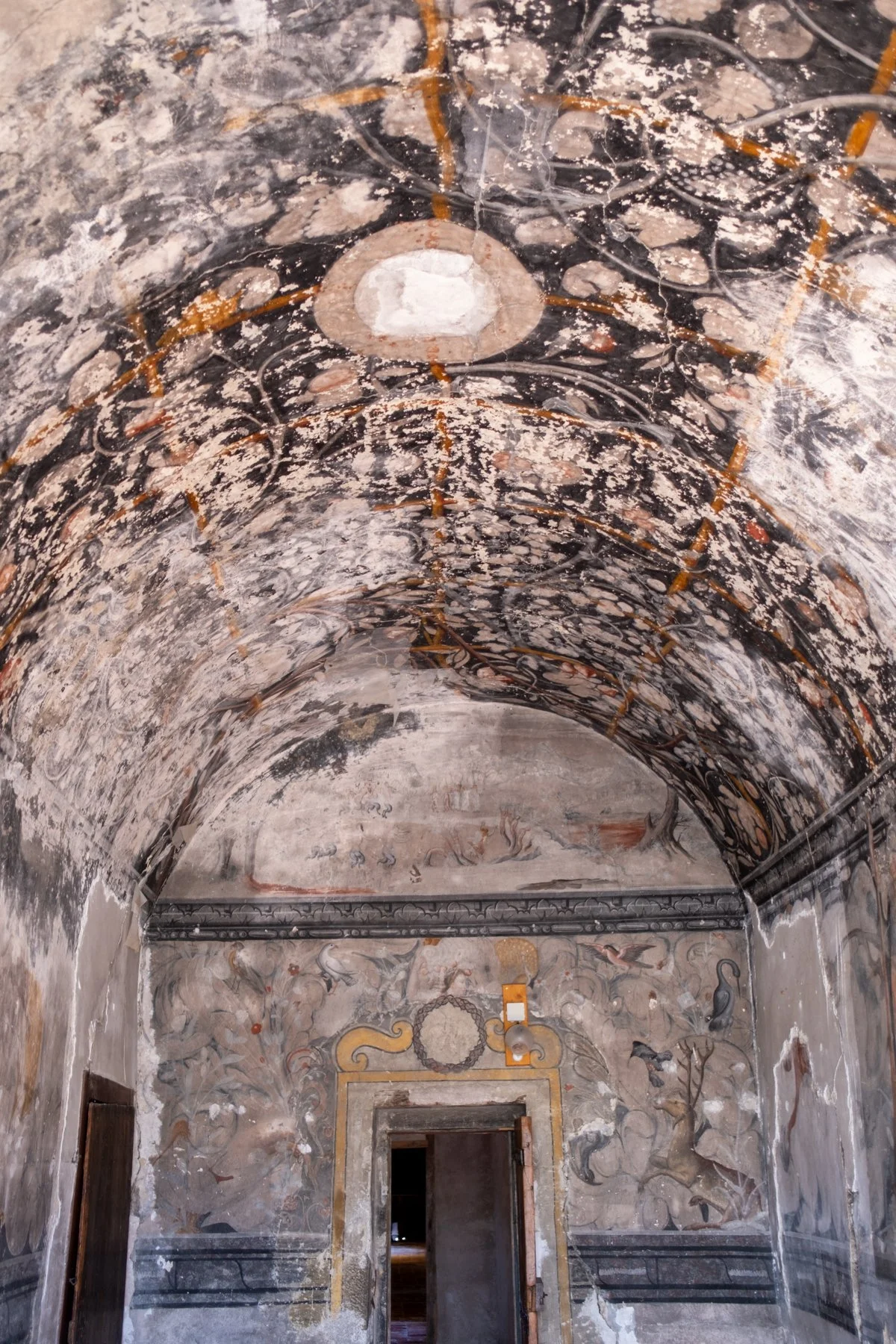
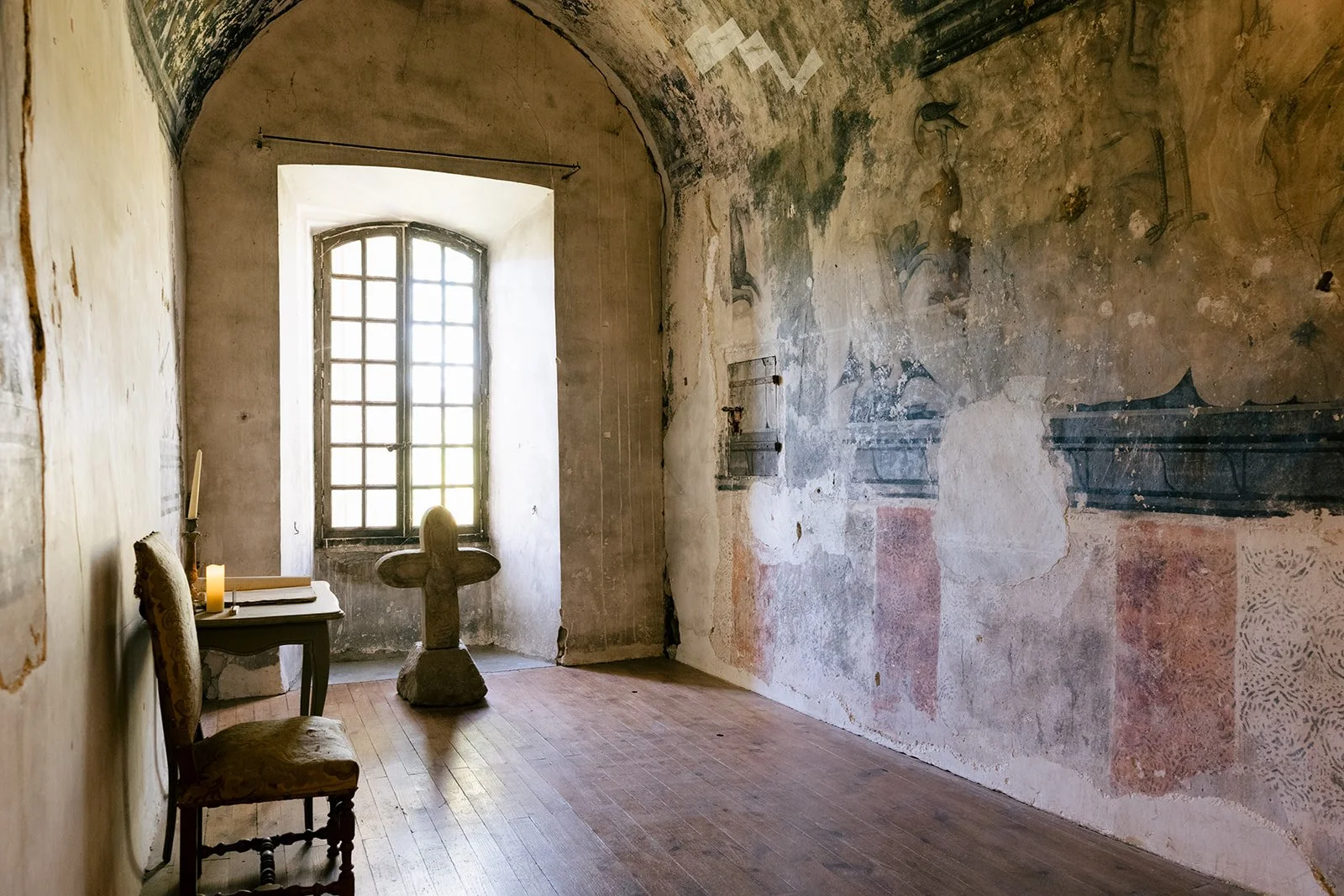
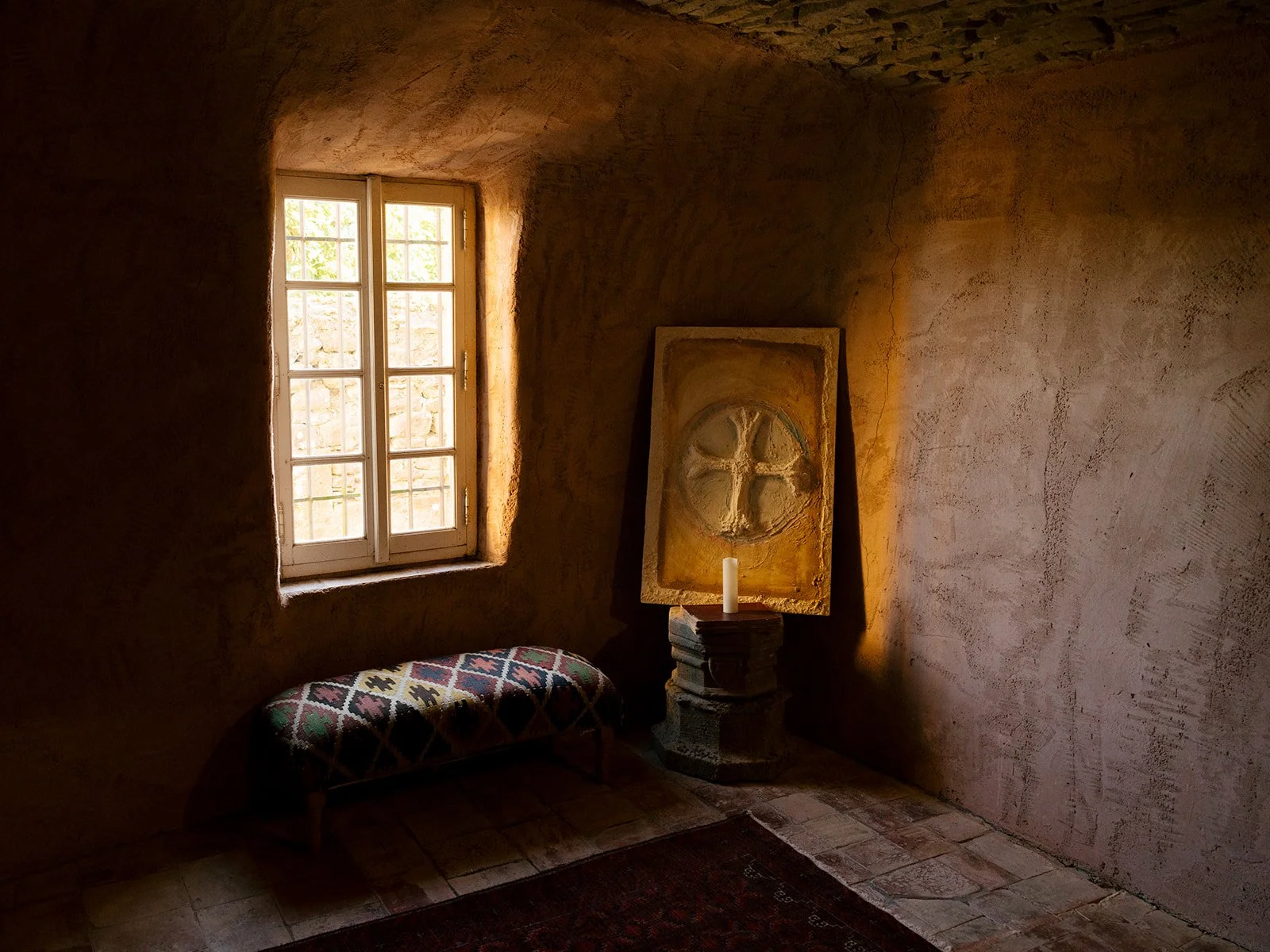
Our 12th century Château has 9-10 bunkrooms on-site. Each bunkroom has 4-7 twin beds (not bunkbeds). All bunkrooms have large windows, beautiful original decor and gorgeous views of the Pyrenees mountains or abbey grounds. Along the iconic abbey hallways, each bunkroom shares an ensuite or designated bathroom and a WC.
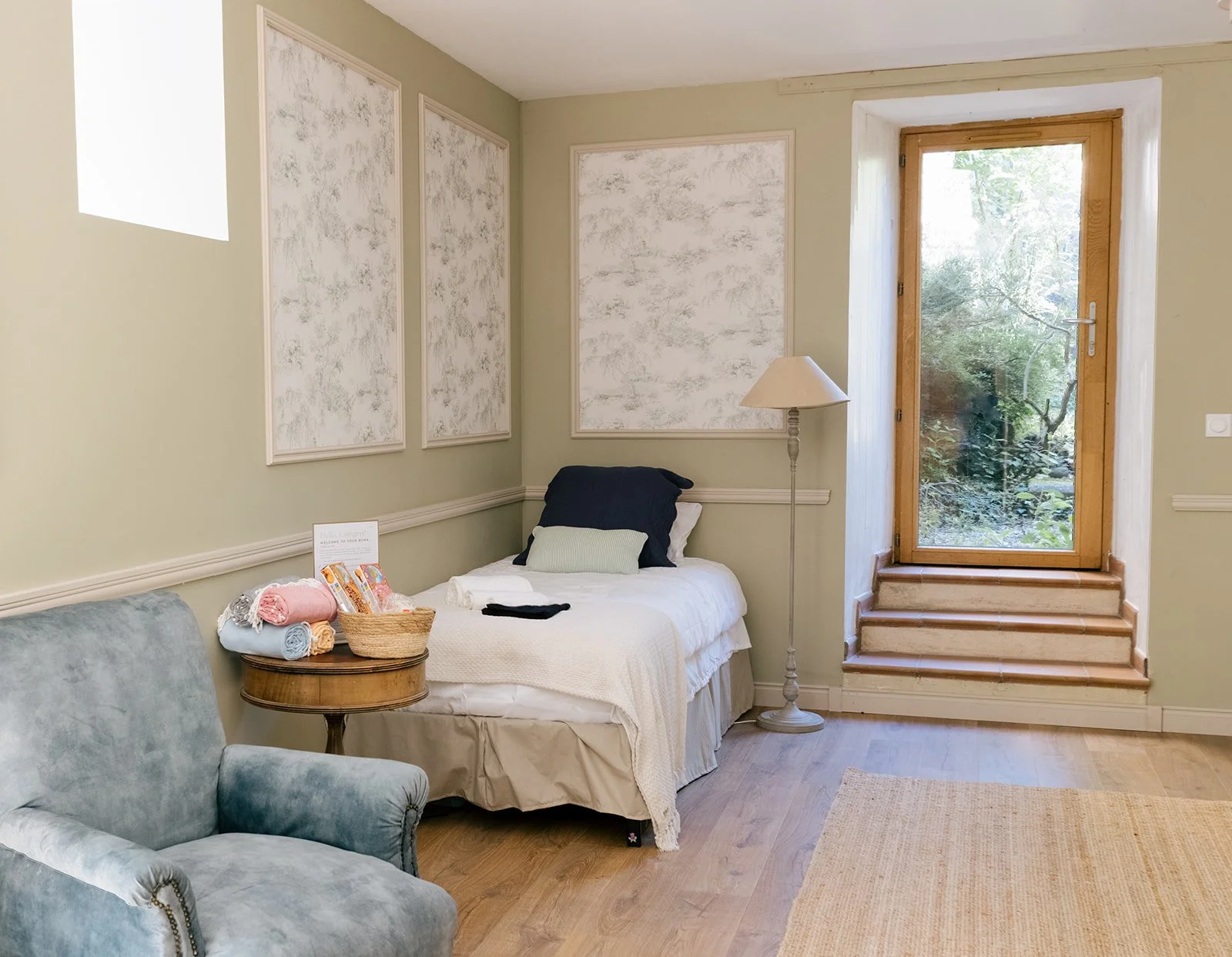
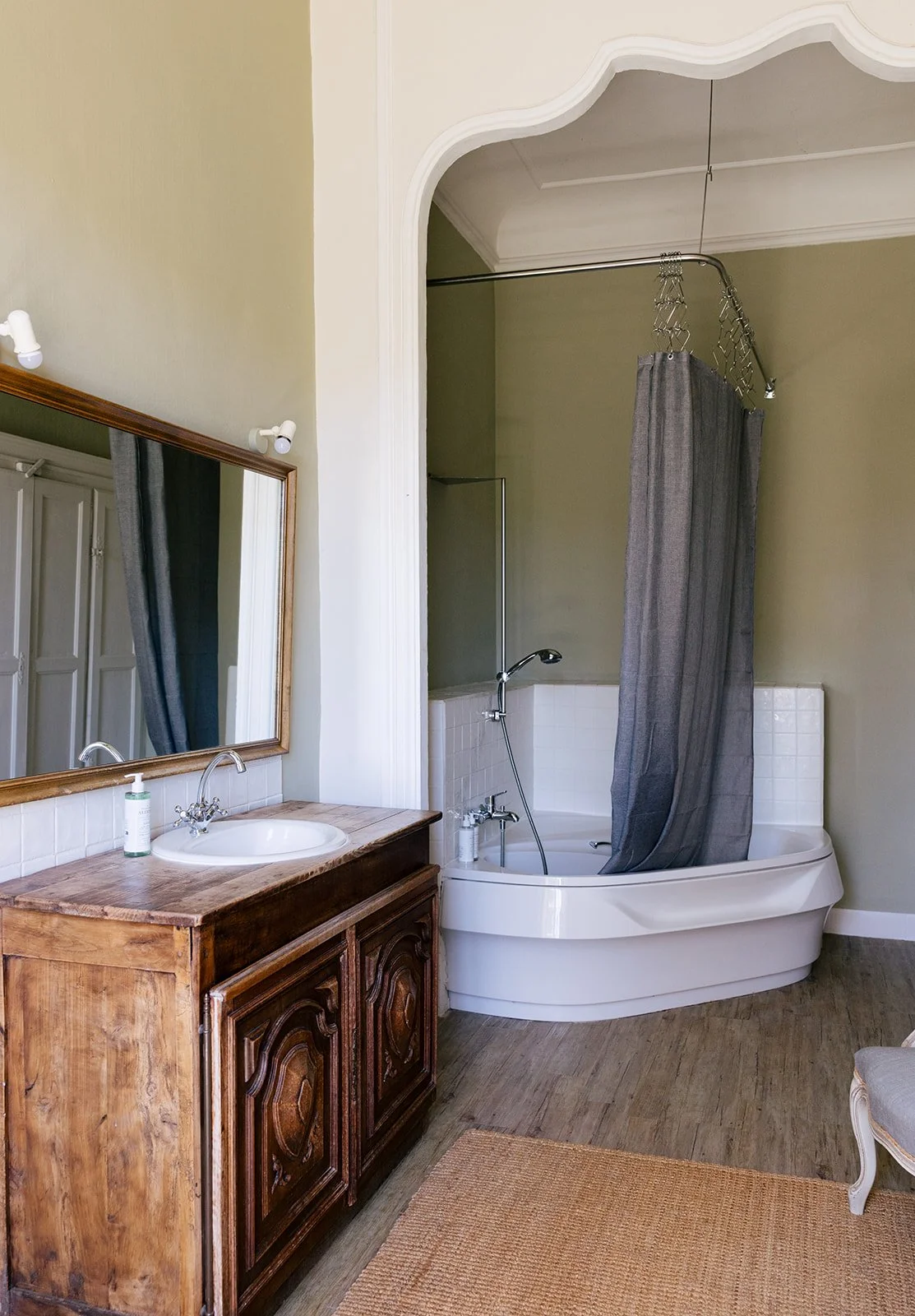
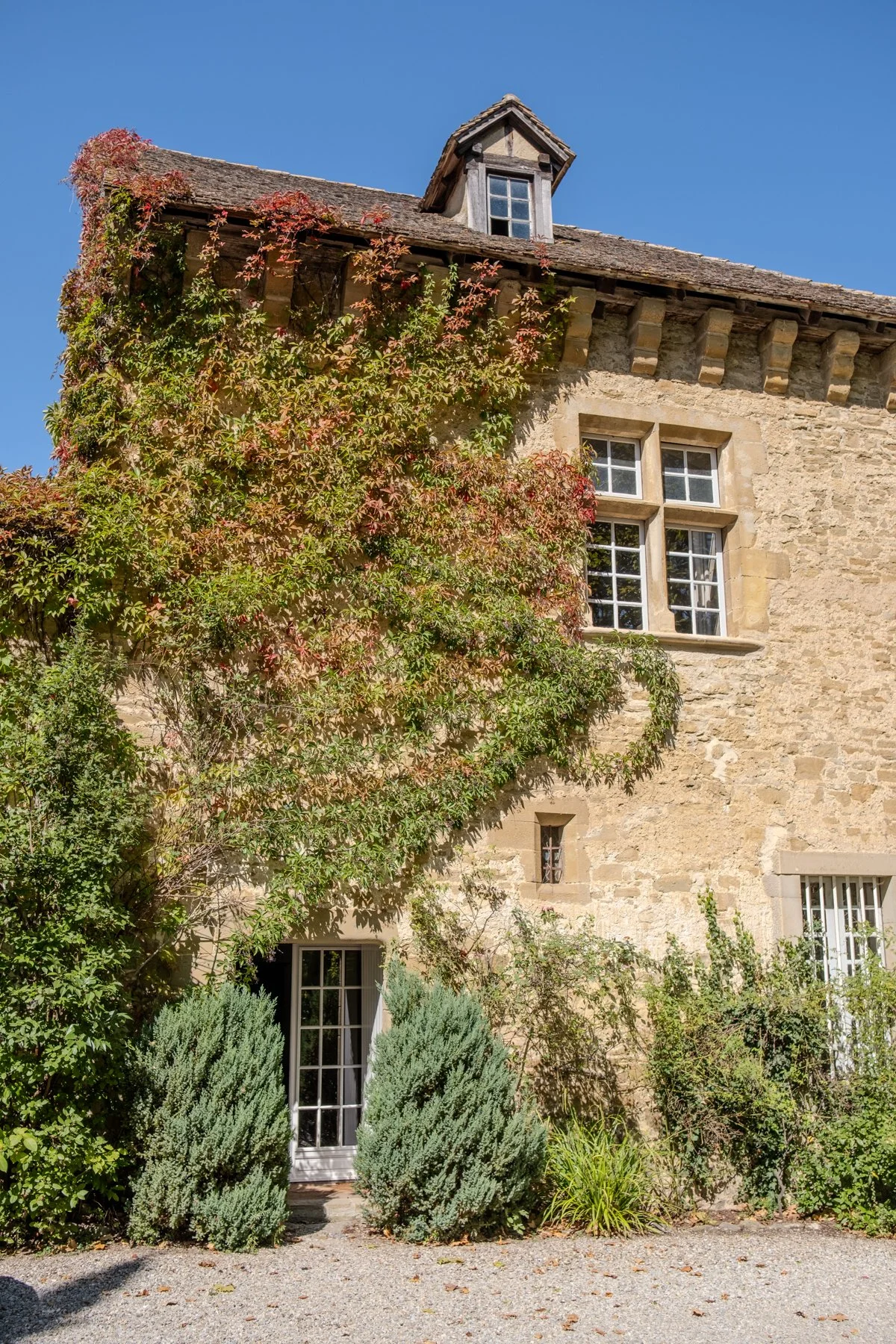
For the inaugural 2026 season only, there are three types of sleeping accommodations, but every camper still has access to a shared bunkroom in the château! In addition to the château, 3-5 bunkrooms are spread across the Cottage, a spacious and historic gatehouse inside the château gates, and nearby off-site Cabins at the lovely Domaine de la Besse, a 4-star cabin ground in an idyllic farm setting for summer camp sleepover vibes.
-
Worried about hot water and wifi in a building this old? Don’t worry, we’ve got you covered:
Hot water & electricity
Wi-Fi in the common area
Private on-site parking
Private showers & baths, all fresh linens & towels
Ironing supplies
Hairdryers
USB & USB-C Charging Stations
Extra fans
European outlets accessible
Under-bed storage
-
Curious about safety?
The property is fully secured with an alarm system, and locks on all external points of access.
We have at least one staff member overnight in the building. We have an emergency driver available at all times.
There is always a way to access a staff member in an emergency through our walkie talkie systems or calling our cellphones.
For more information about all of the 2026 accommodation options, you can head to our blog post about it here.
The Grounds
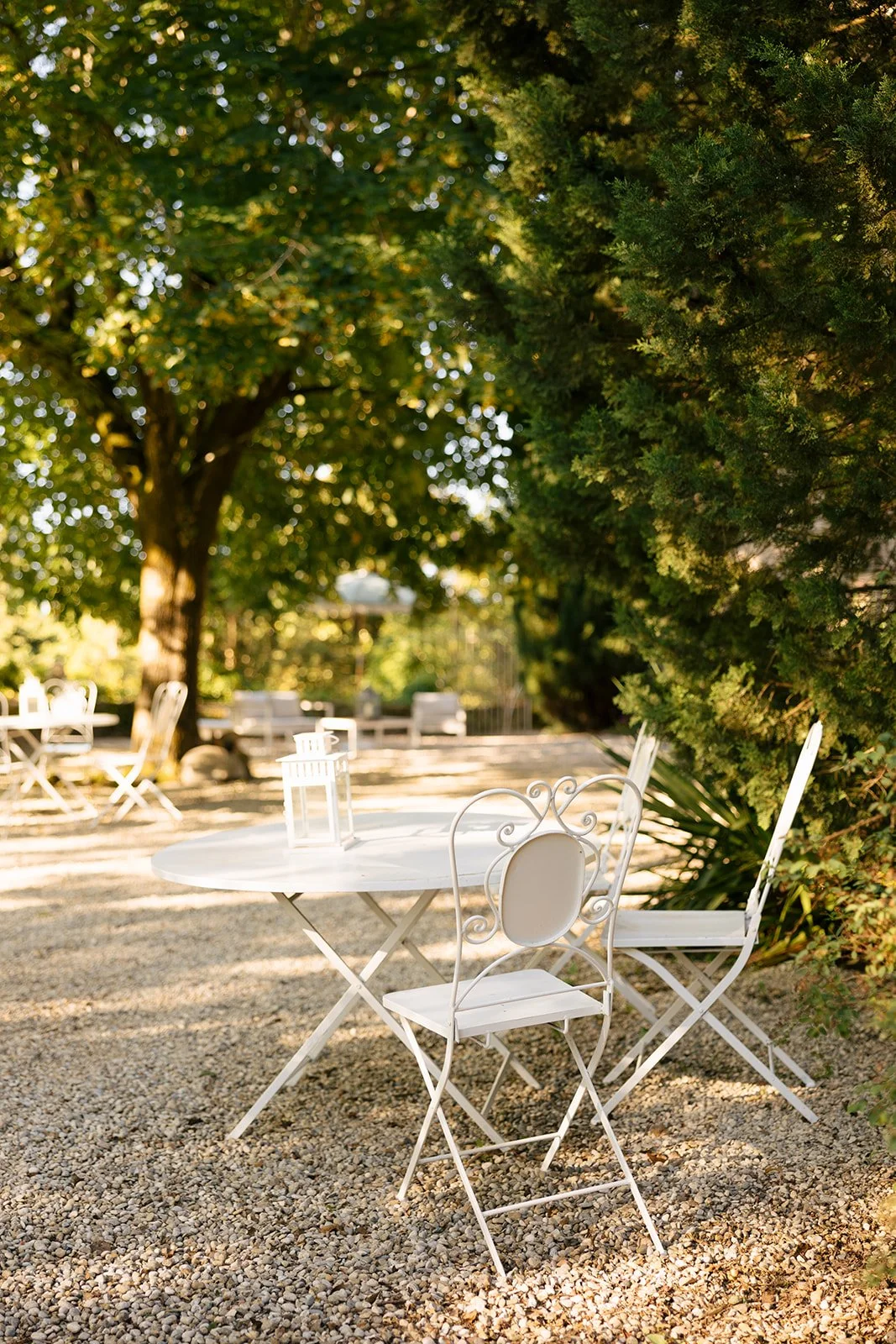
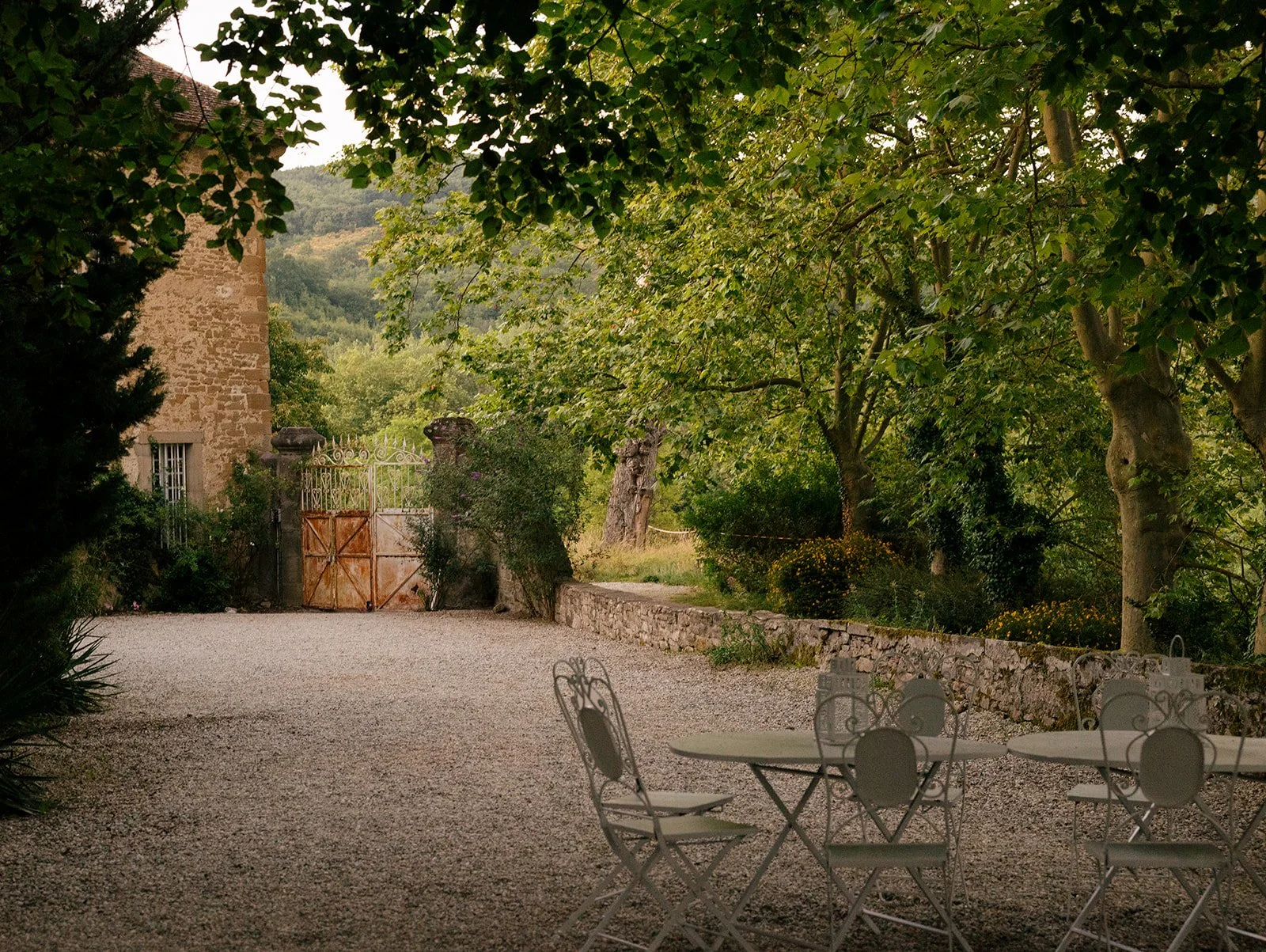
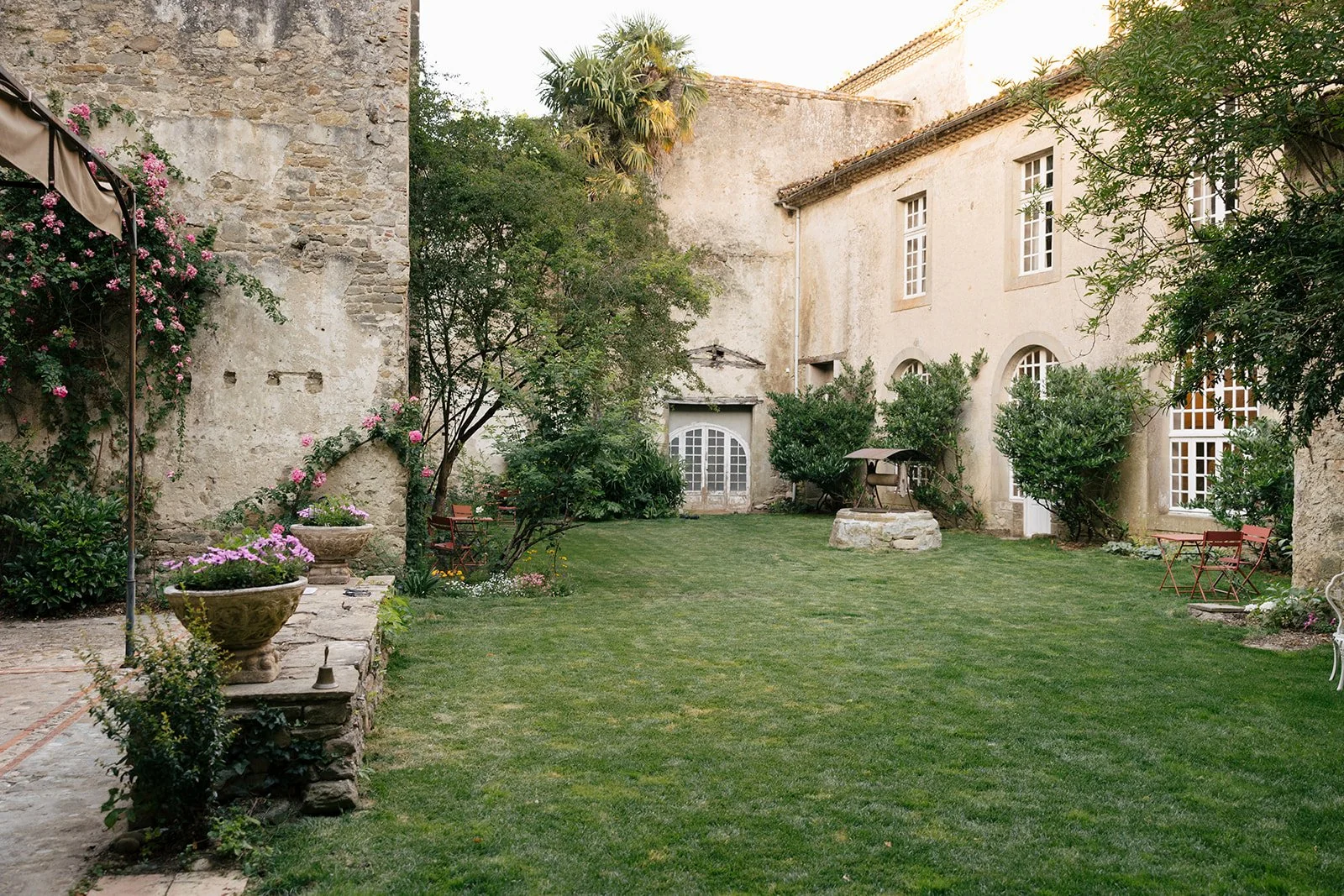
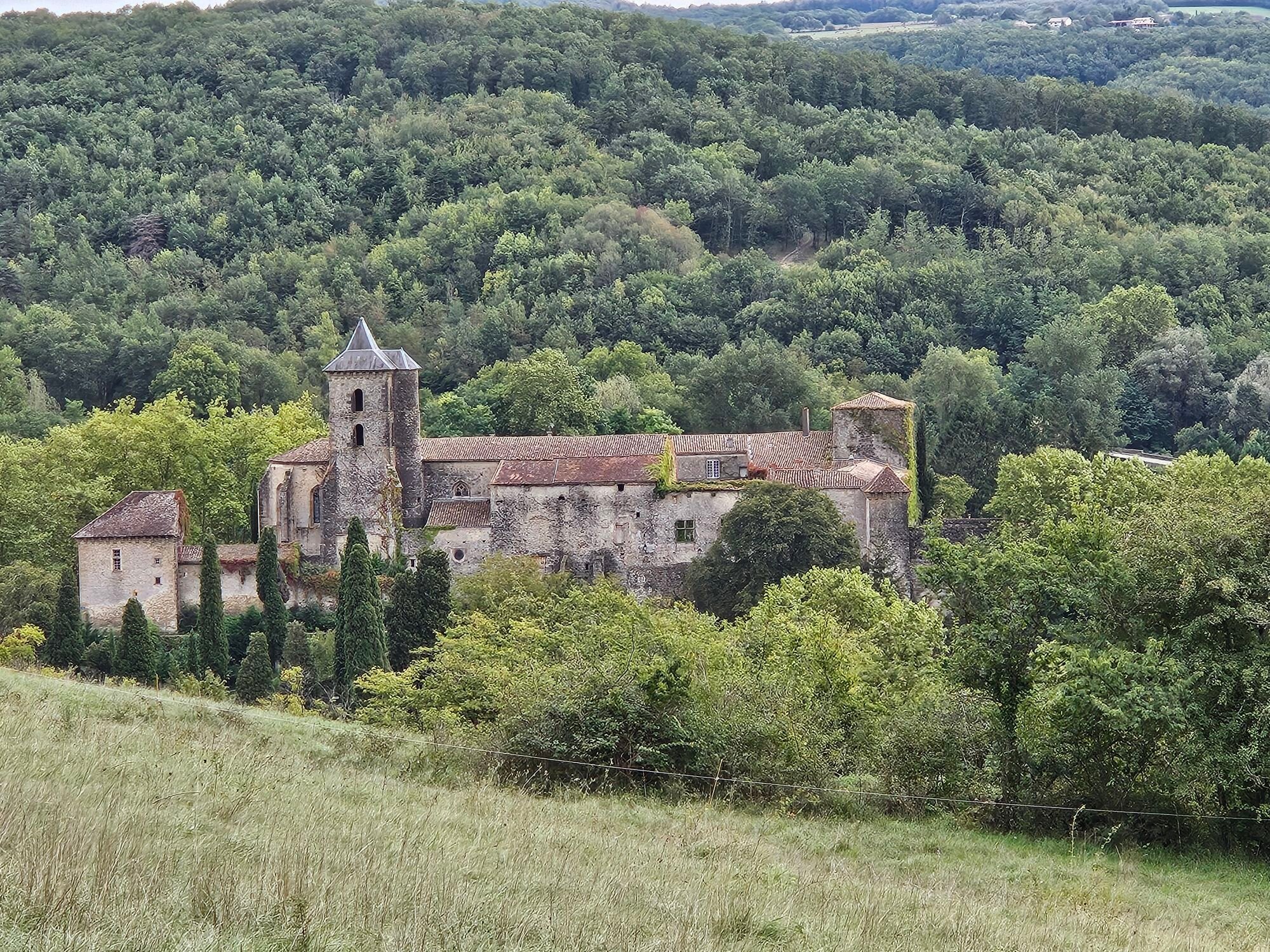
Perched on a hilltop, this extraordinary property offers a blend of private seclusion and accessible village life. Here are some standout details about Château de Camon:
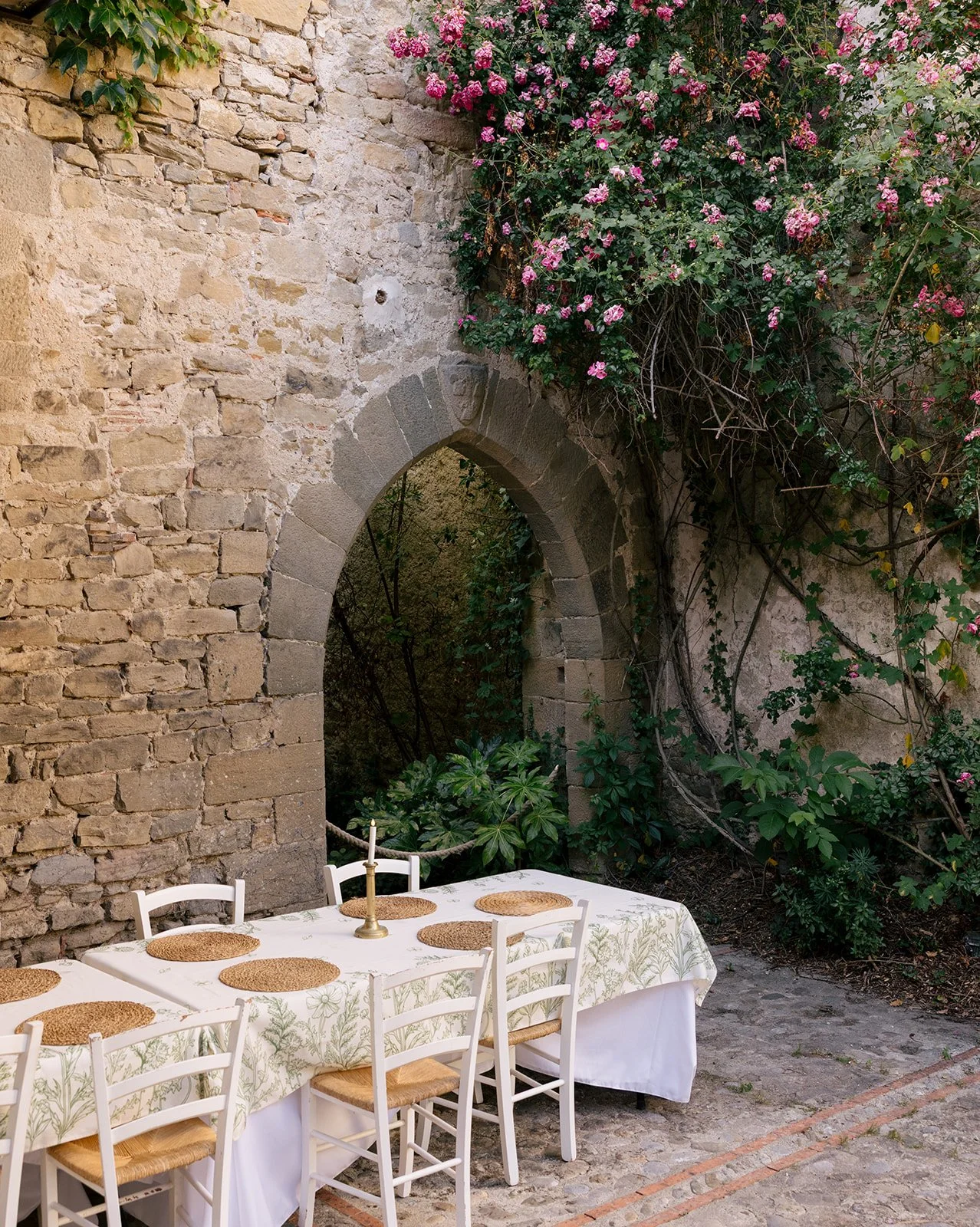
A stunning central courtyard with a leafy canopy.
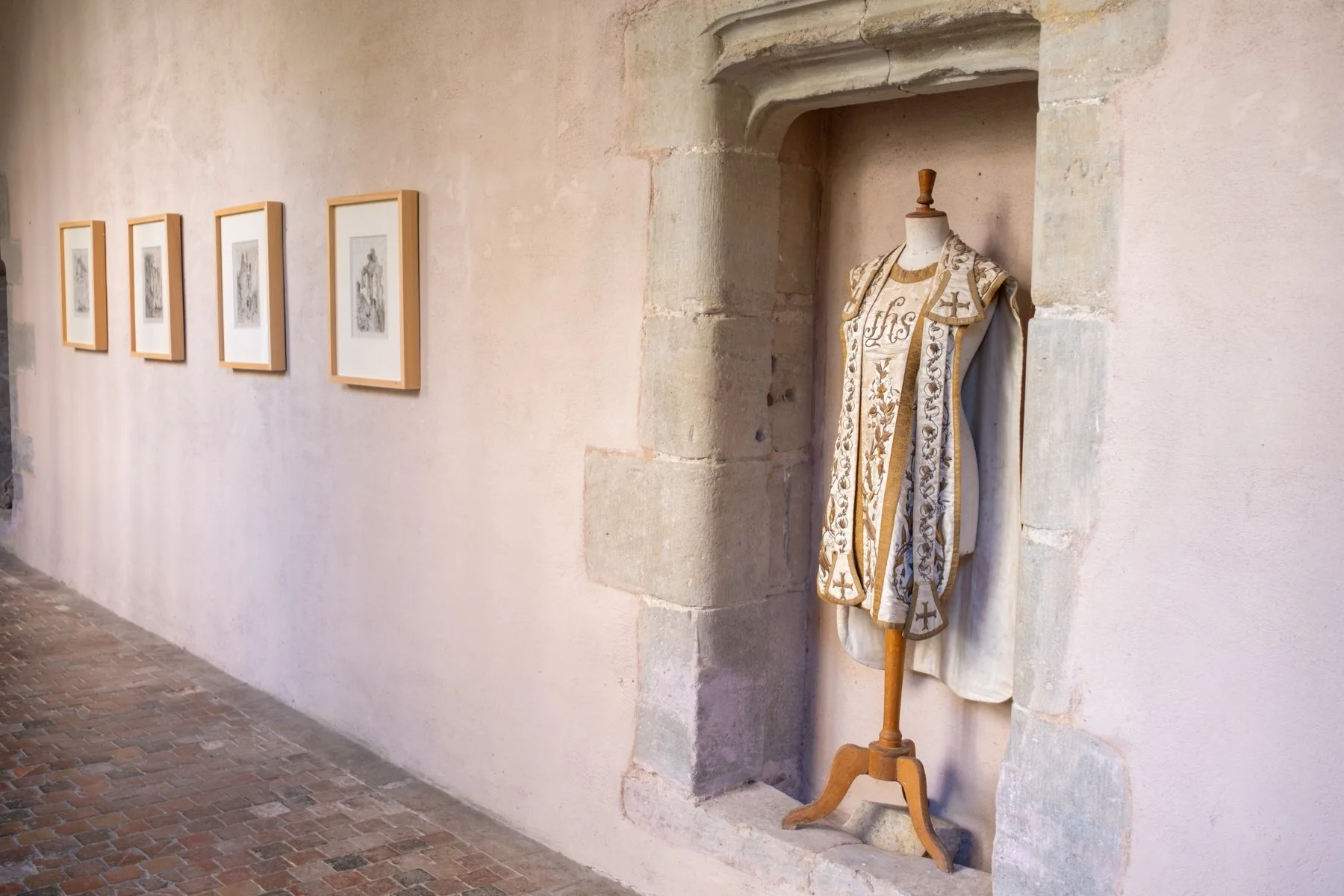
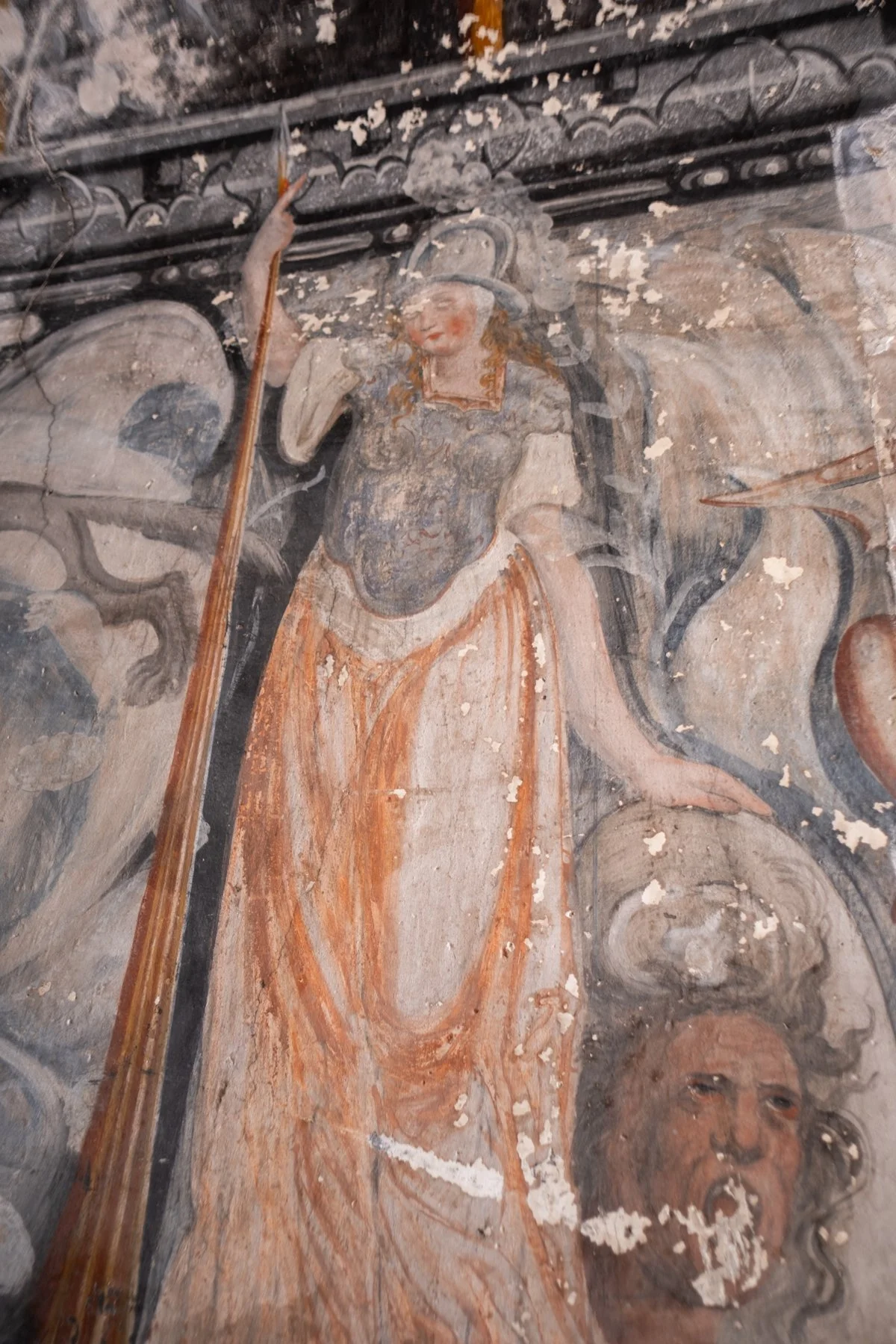
Original cloisters and a striking 16th-century spiral staircase showcase its origins as a Benedictine abbey.
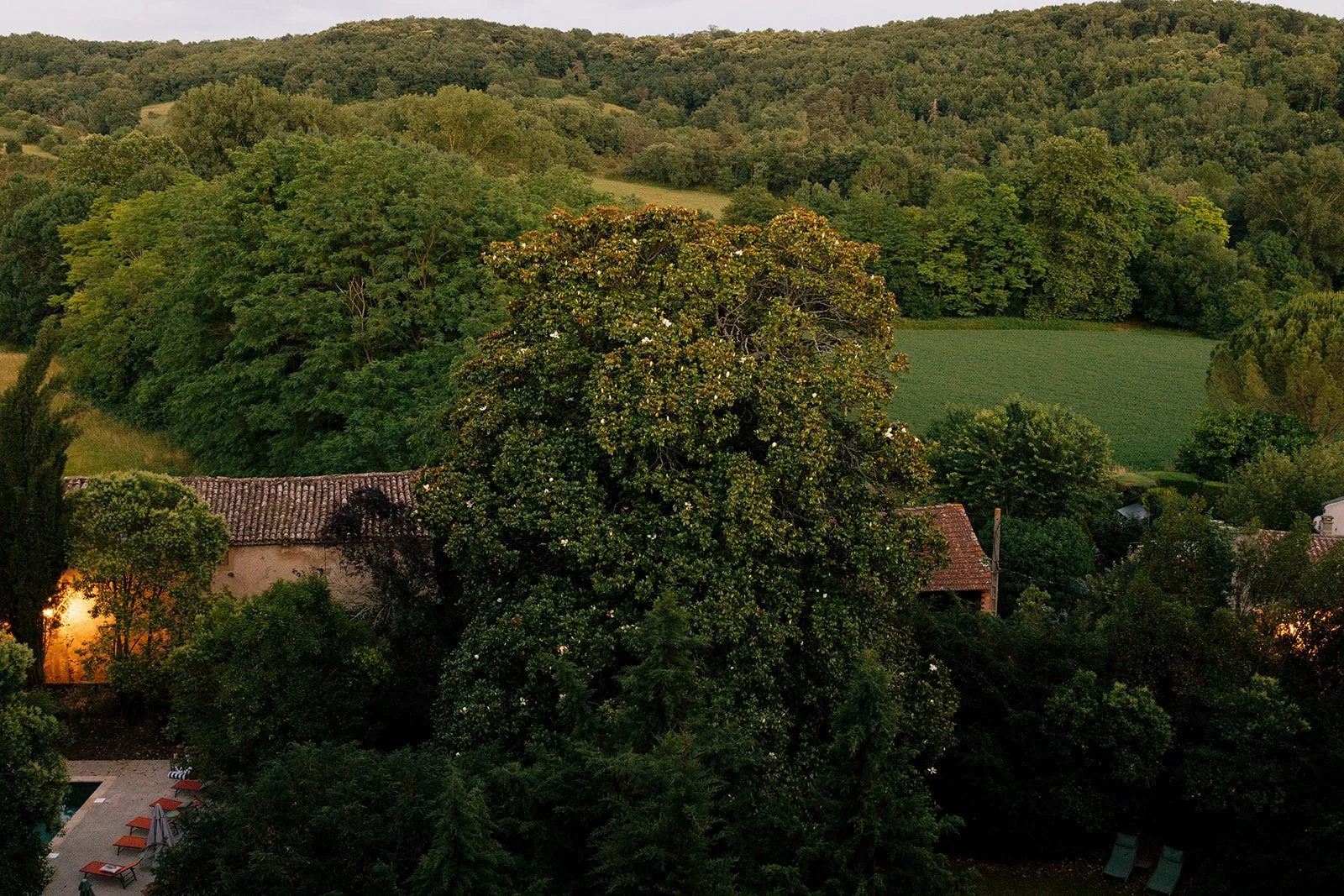
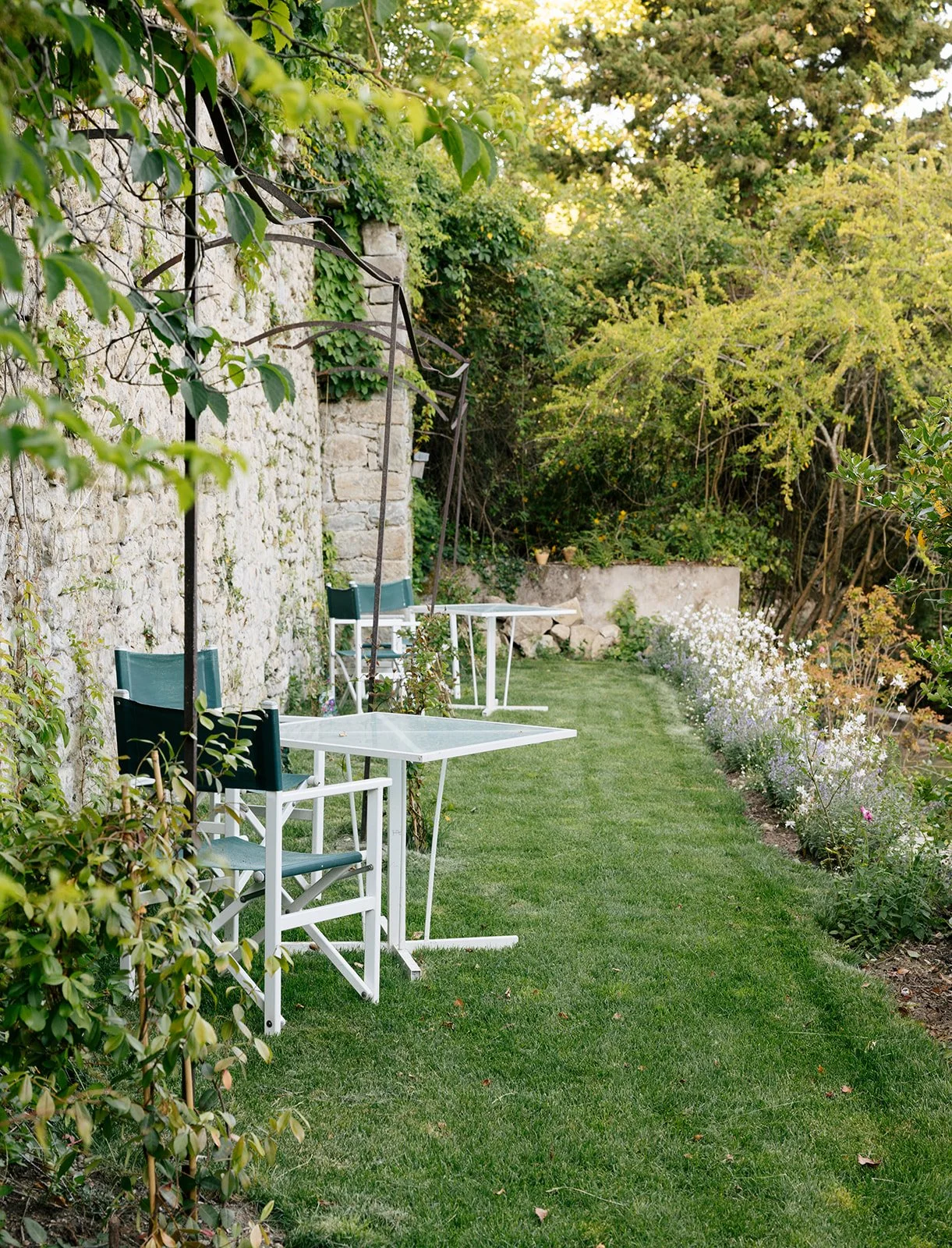
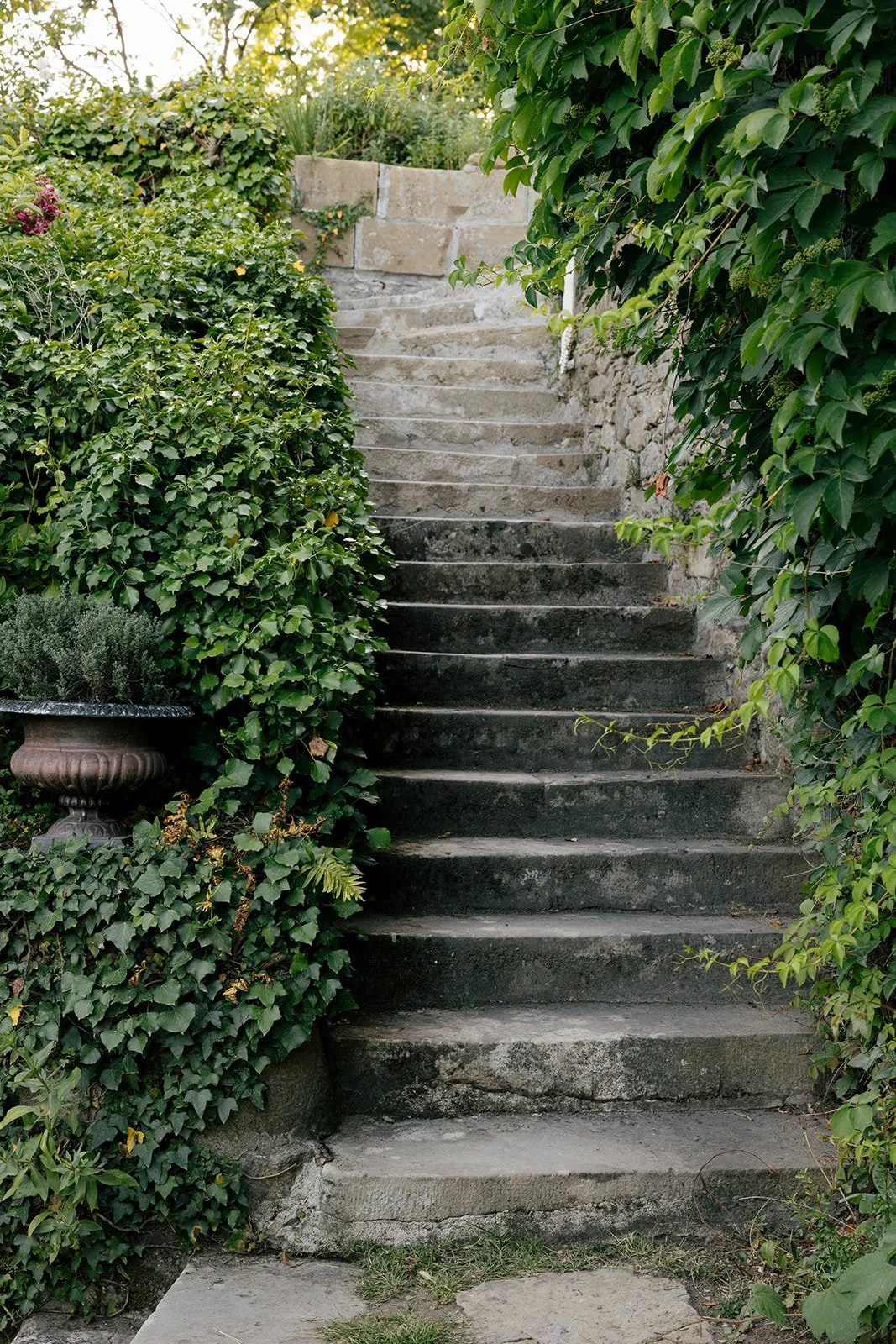
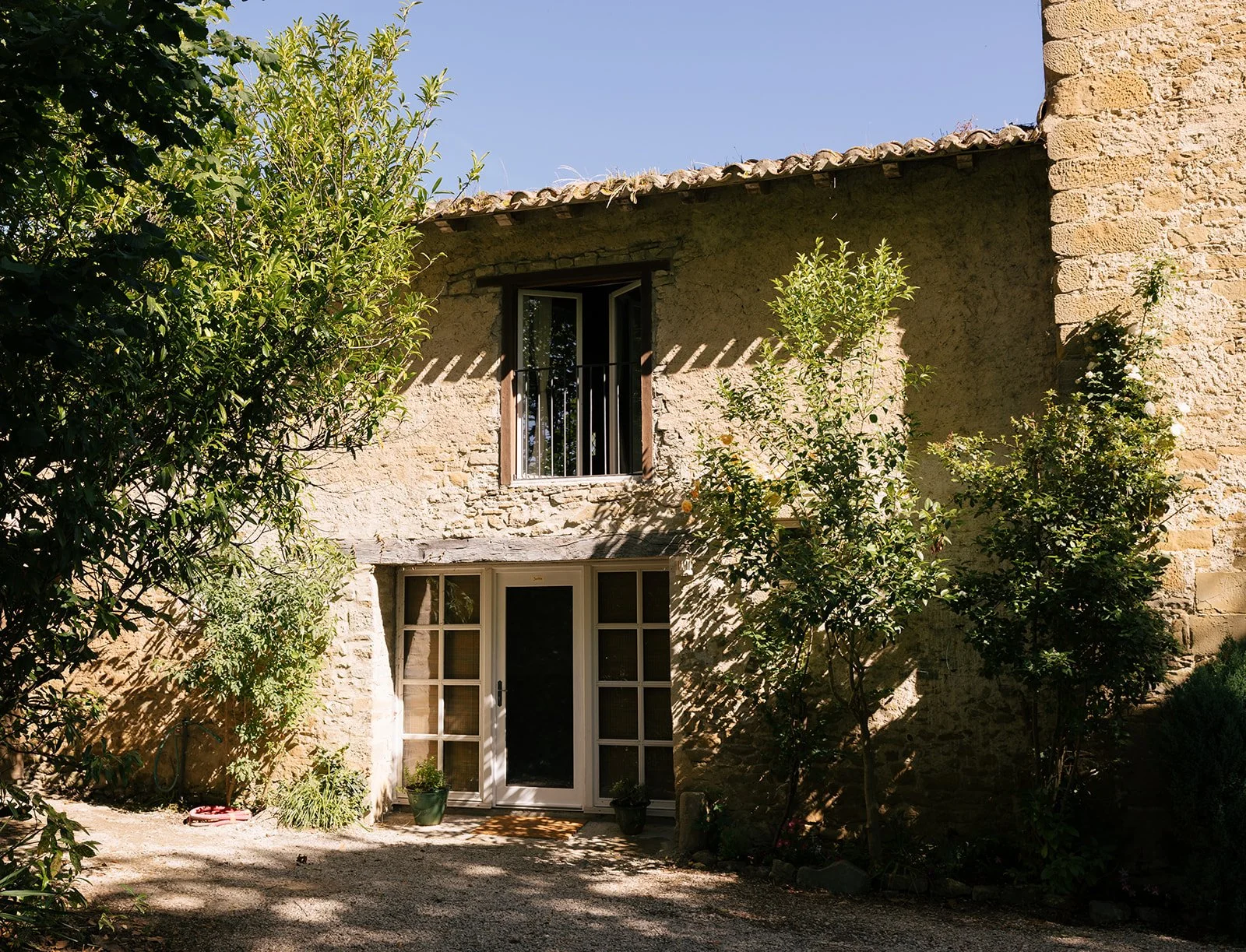
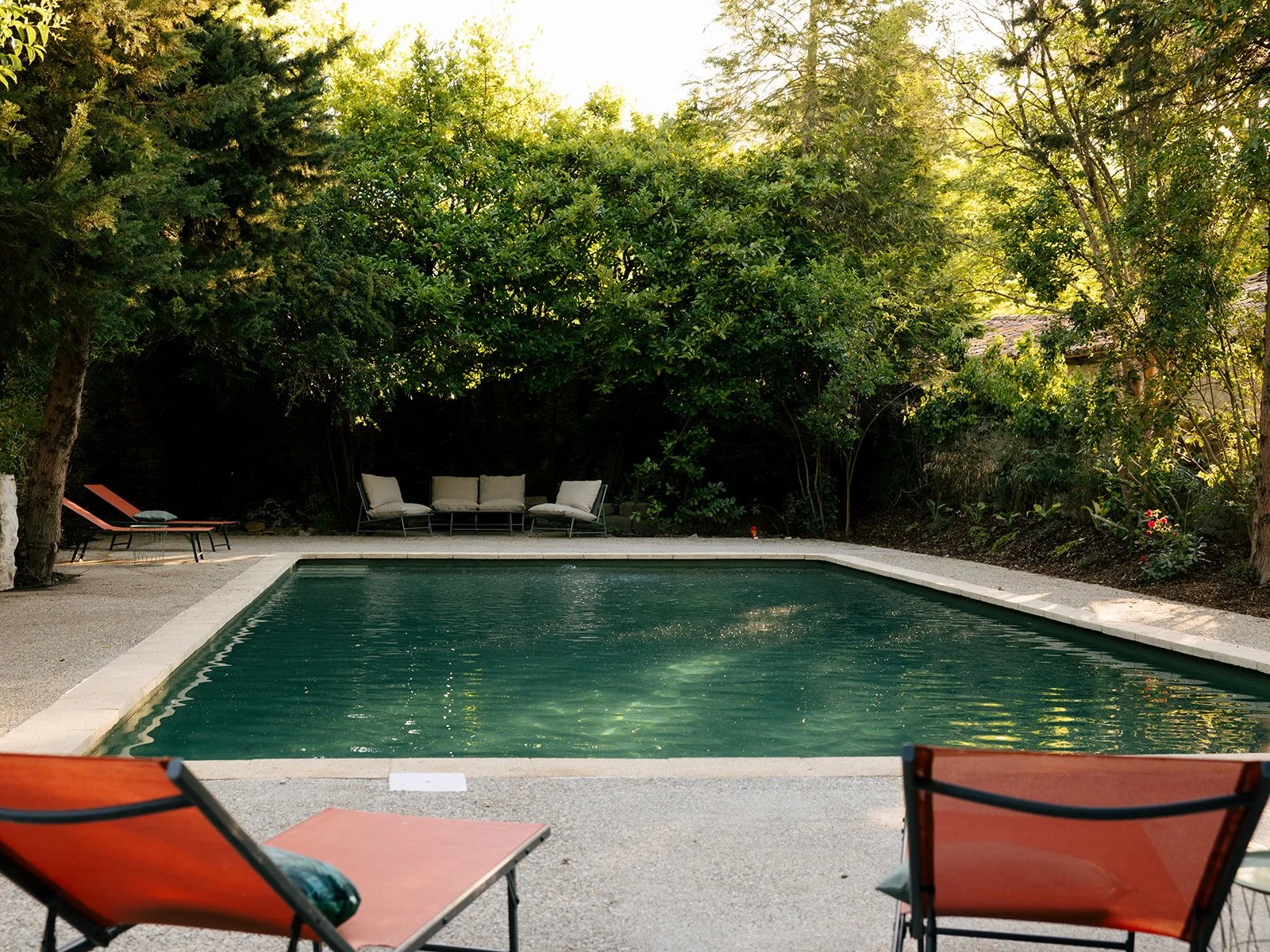
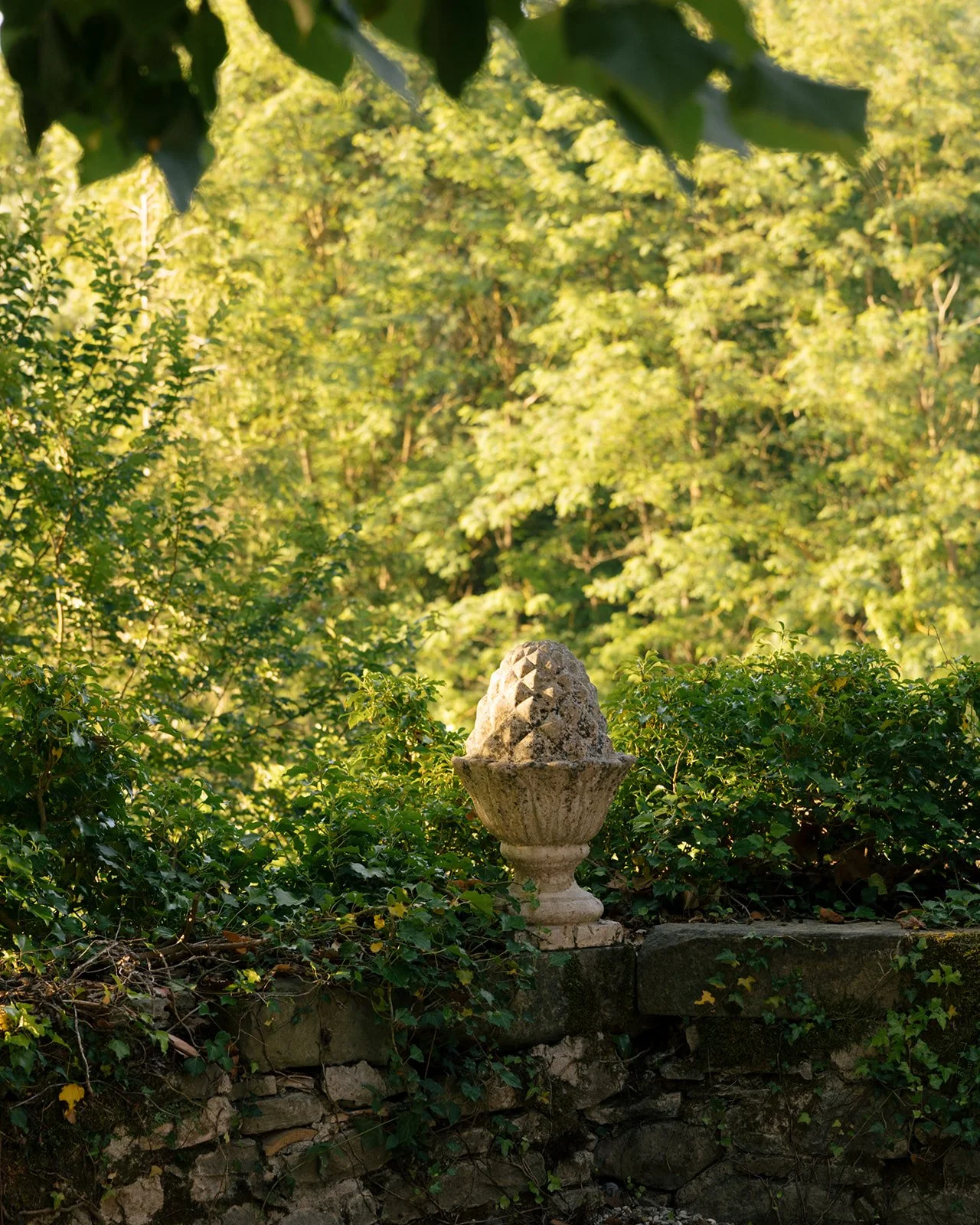
Terraced gardens with views of the countryside, a tranquil swimming pool, and additional outbuildings such as La Loge and The Cottage.
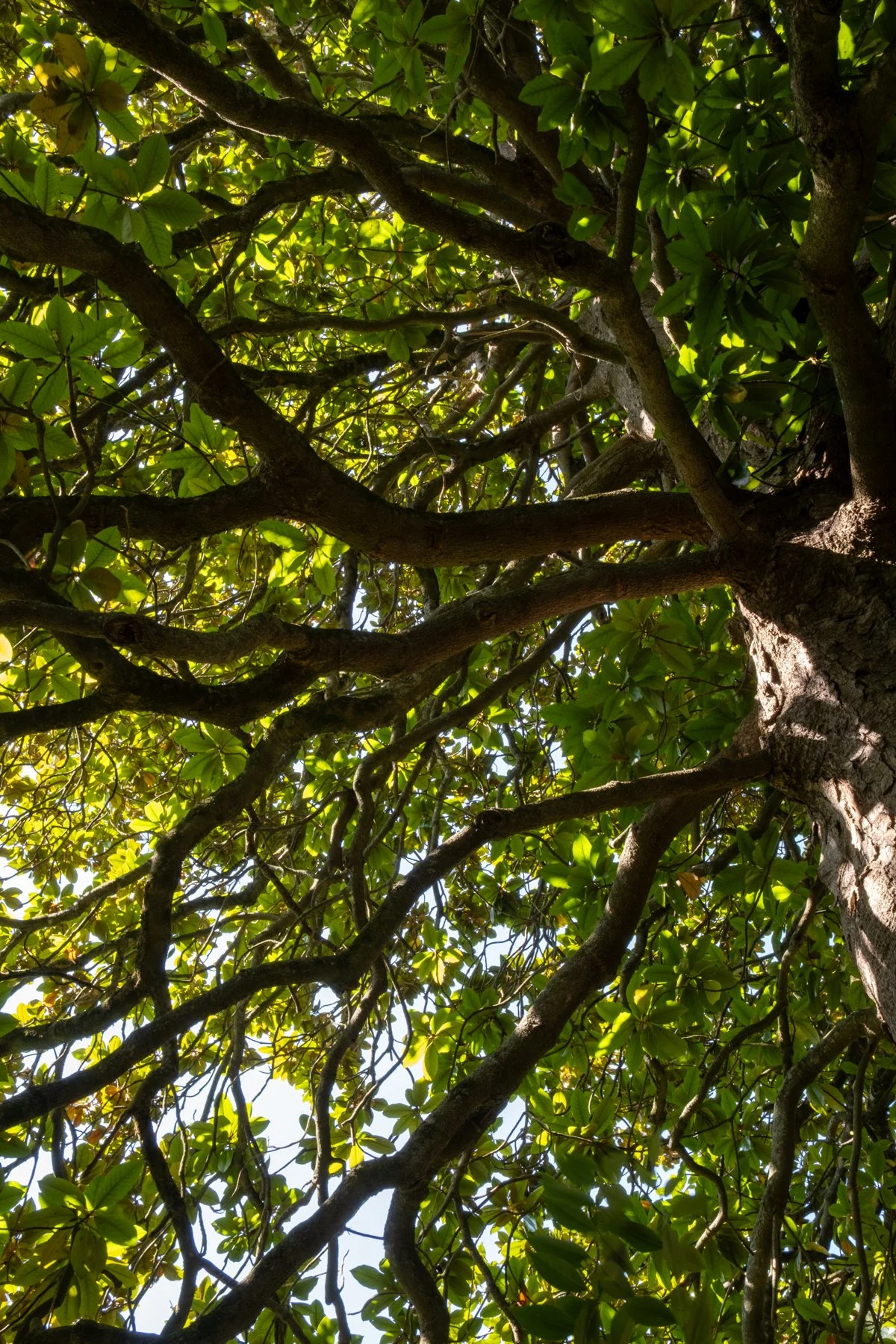
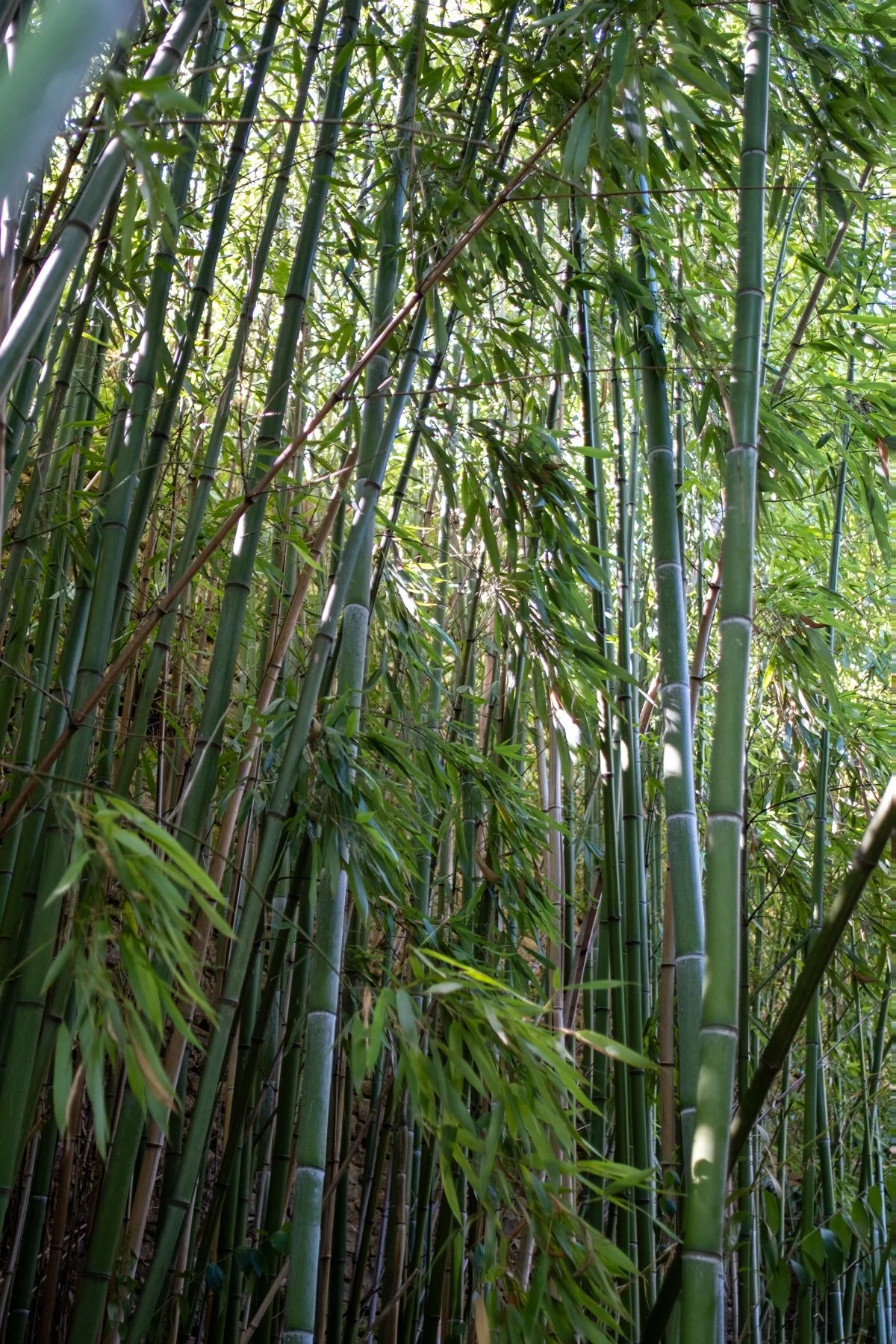
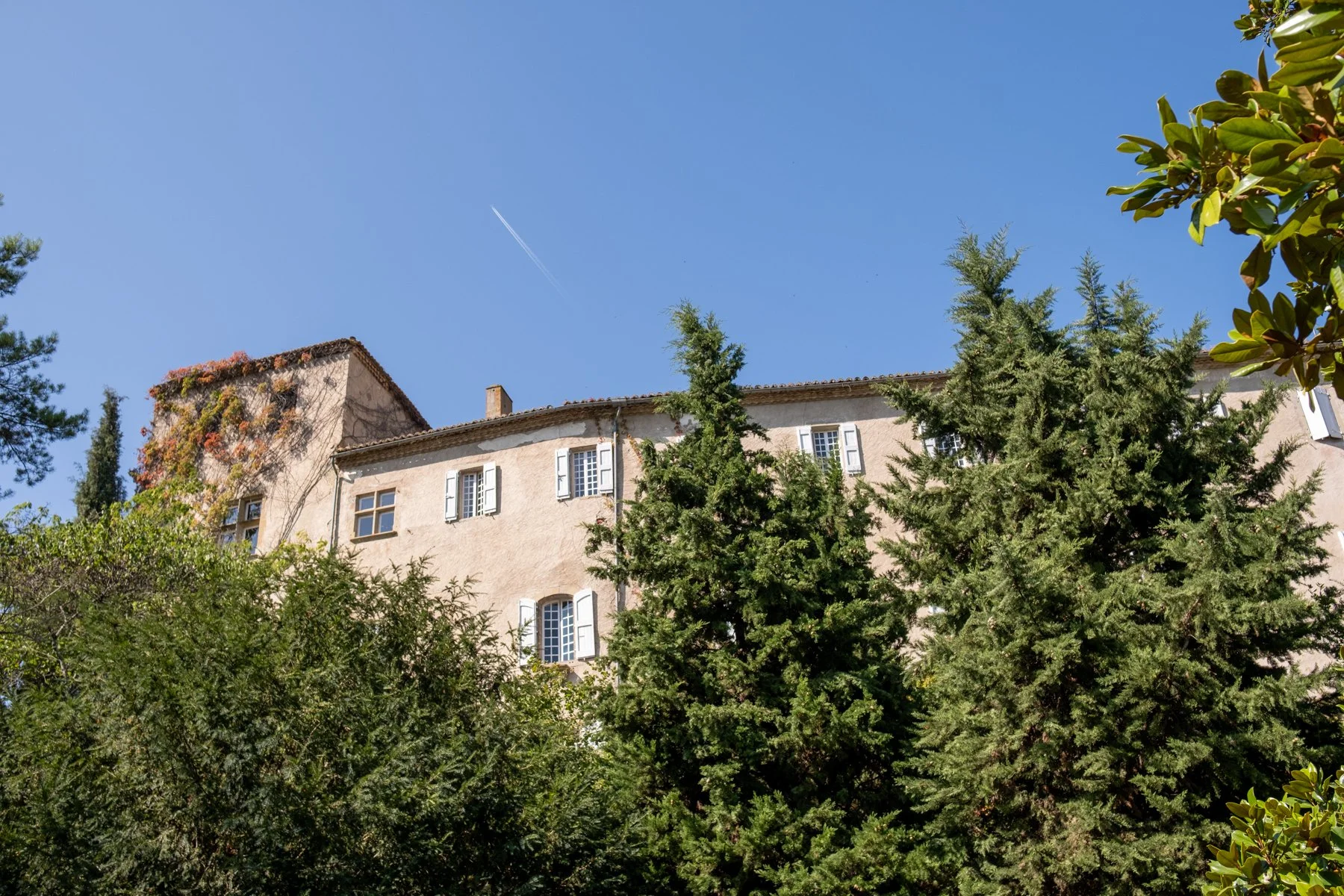
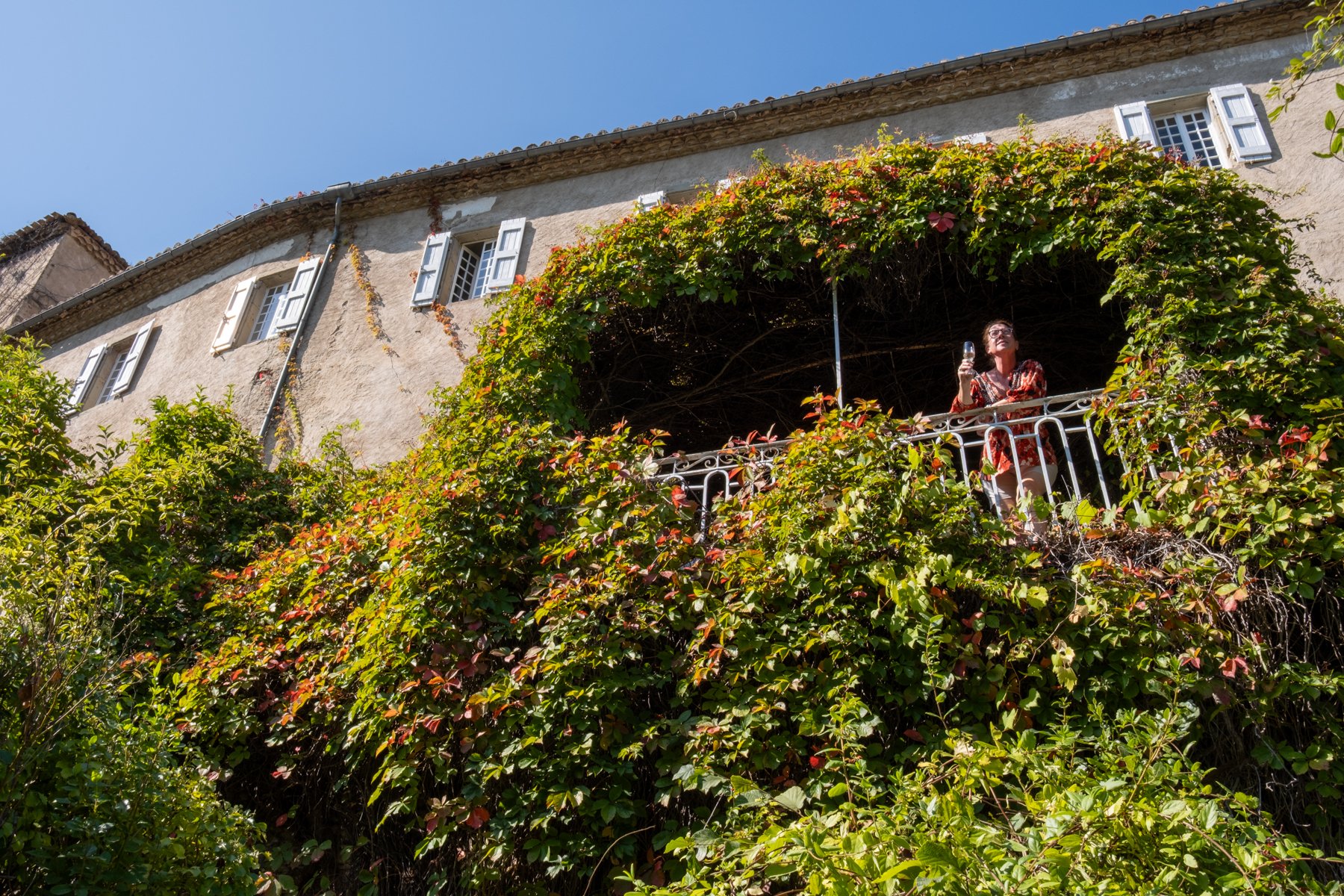
The History
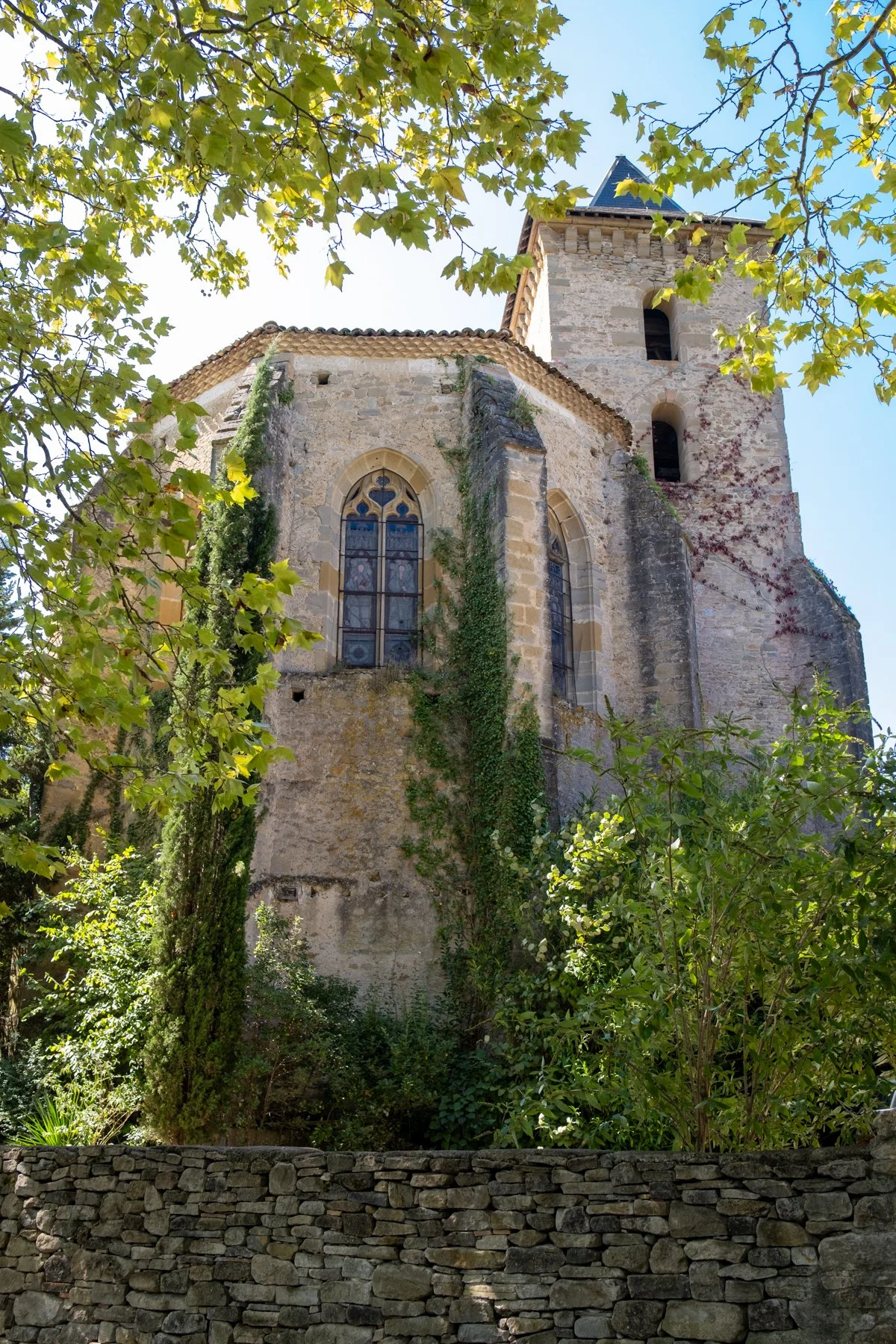
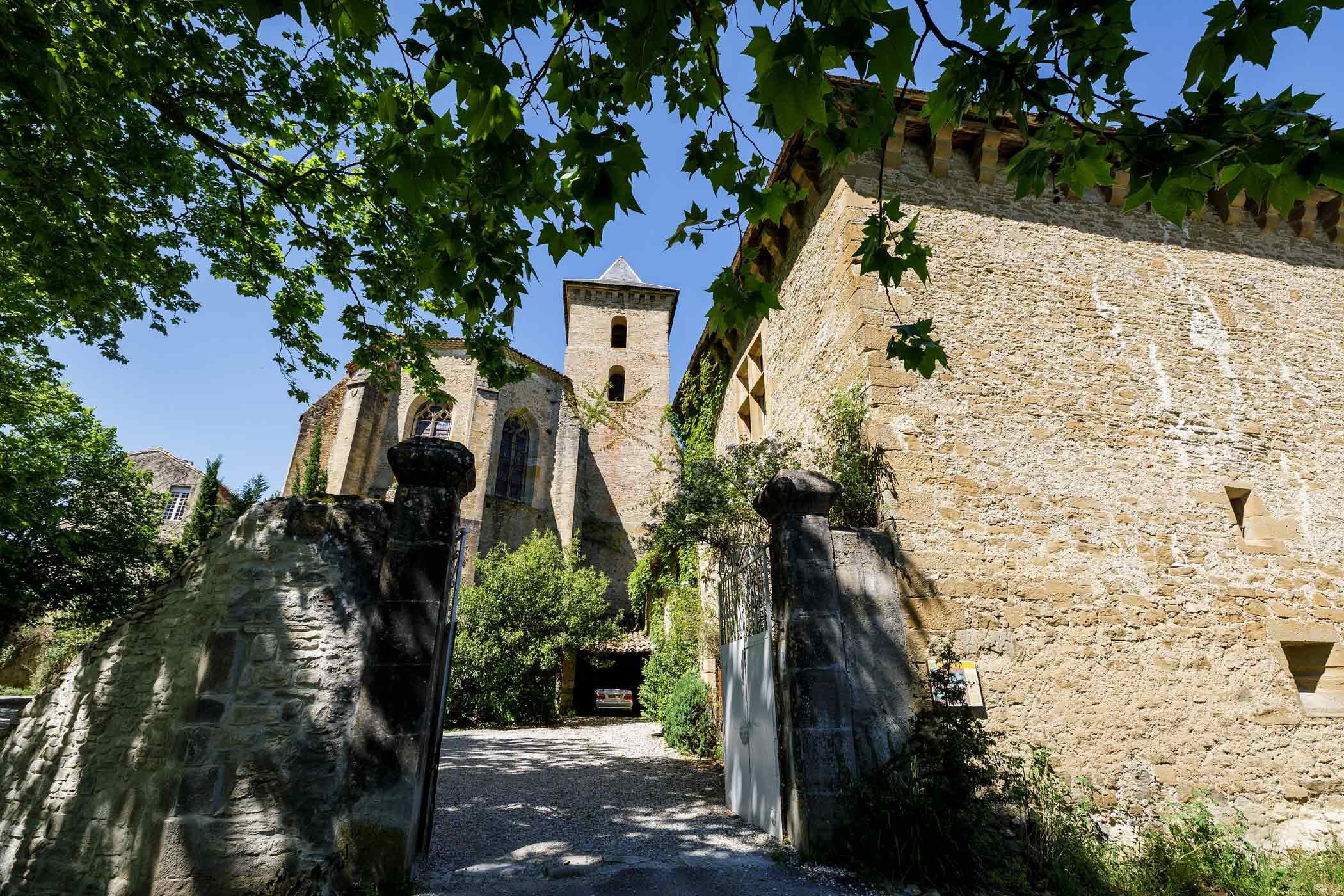
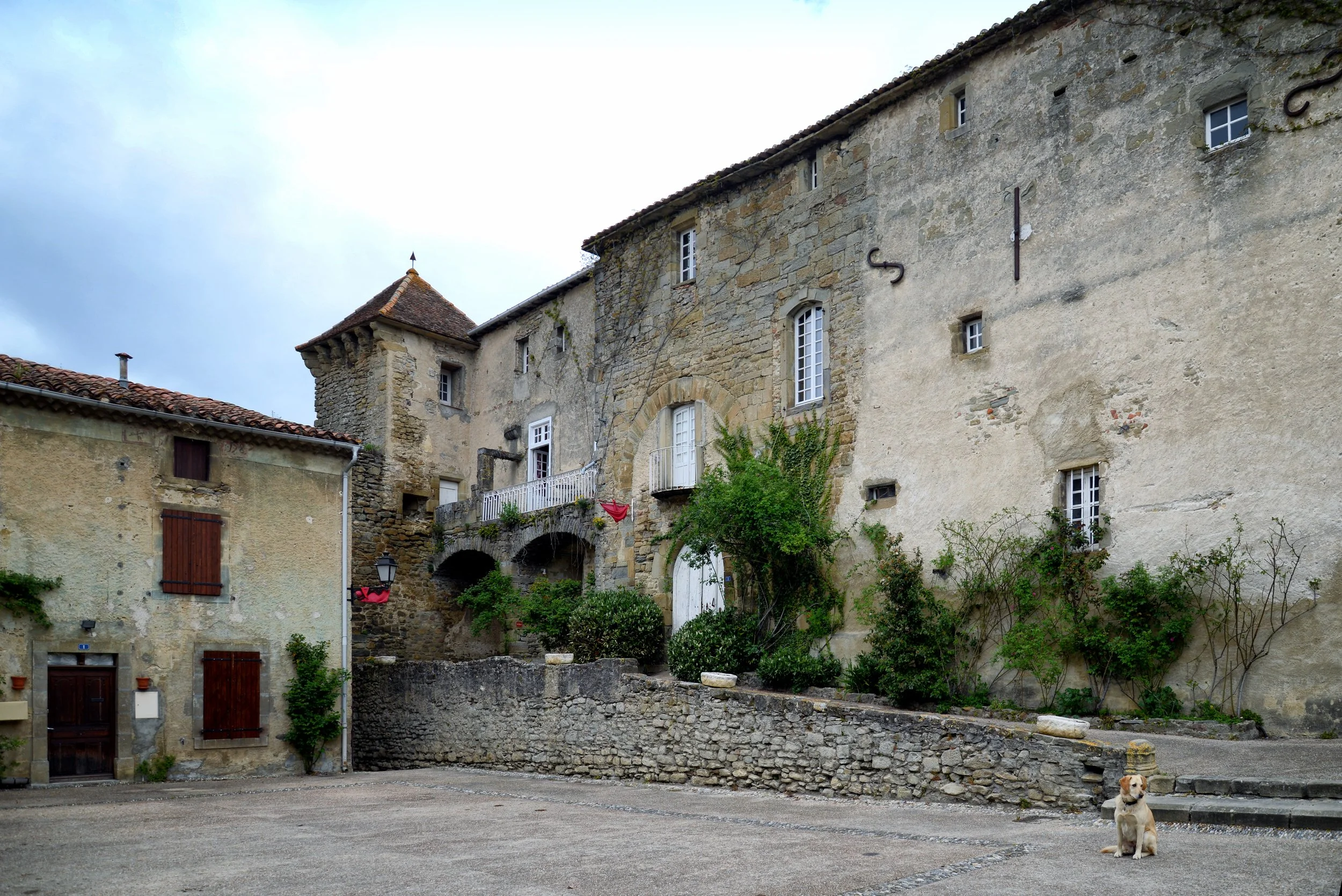
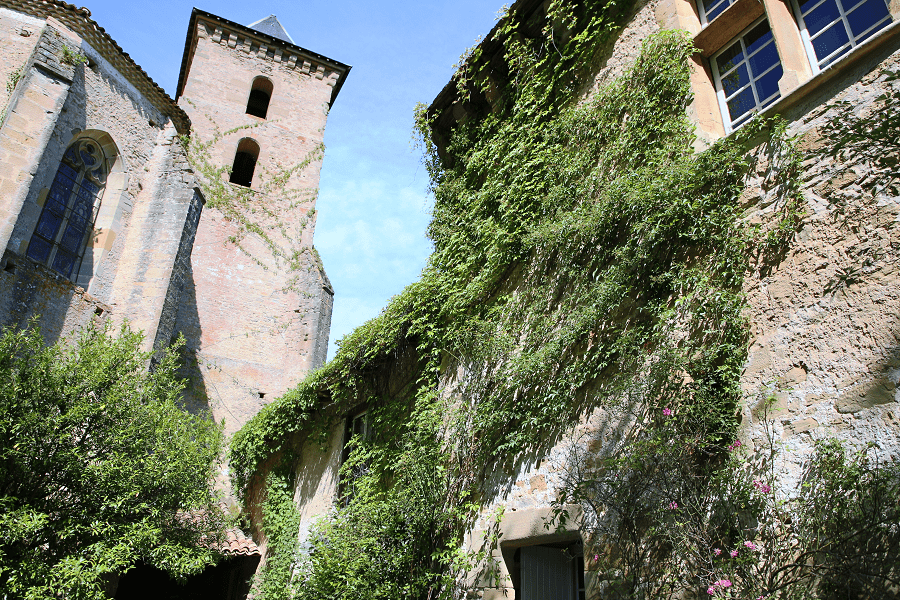
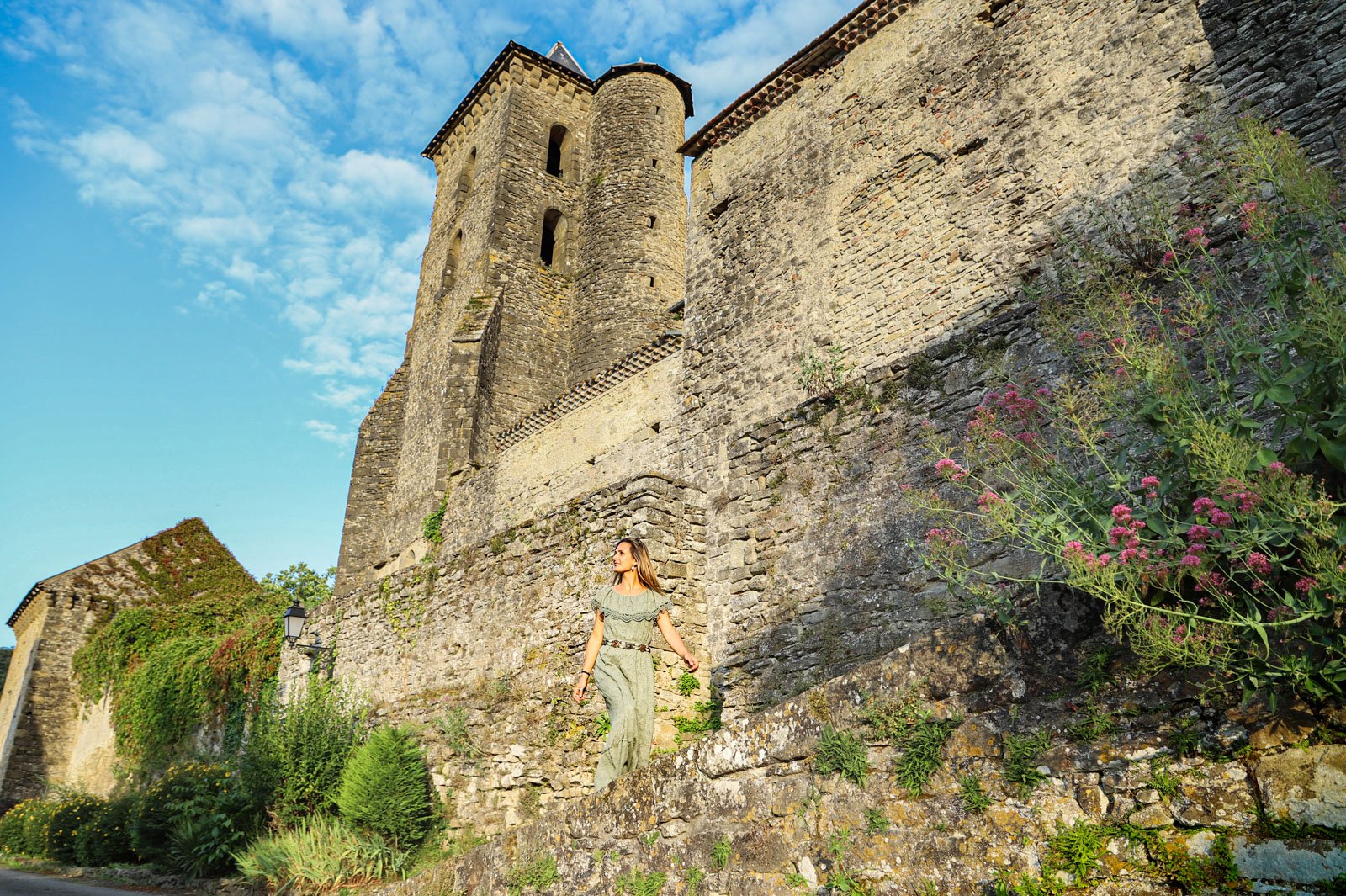
Château de Camon’s history spans over a thousand years, with its origins as a Benedictine abbey lending it profound historical and architectural significance. According to legend, Charlemagne ordered the construction of a monastery and church here in 778, placing it under the protection of Notre-Dame during his campaign against the Saracens. While this story remains unverified, the abbey’s existence is firmly documented by 923, when King Raoul, Charlemagne’s grandson, made a notable donation to it.
As a Benedictine monastery, the abbey was part of a network of religious centers that shaped medieval Europe through their dedication to prayer (ora) and work (labora). Its affiliation with the powerful Abbey of Lagrasse further elevated its influence. Over centuries, the abbey evolved into a fortified priory, reflecting its role as both a spiritual and defensive stronghold during turbulent periods like the Hundred Years’ War and the Wars of Religion.
By the 16th century, under the stewardship of Philippe de Lévis, enhancements were made to both the abbey and the surrounding village. Later transformed into a private château, it now blends monastic simplicity with seigniorial elegance. Architectural highlights include its original cloisters and ornate lounges. Today, Château de Camon stands as a charming reminder of its Benedictine roots and long legacy.



The Region
The Ariège region around Château de Camon is packed with things to see and do. At the foothills of the Pyrenees, it’s a great spot for hiking, cycling, and exploring nature and the nearby Parc Naturel Régional des Pyrénées Ariégeoises.
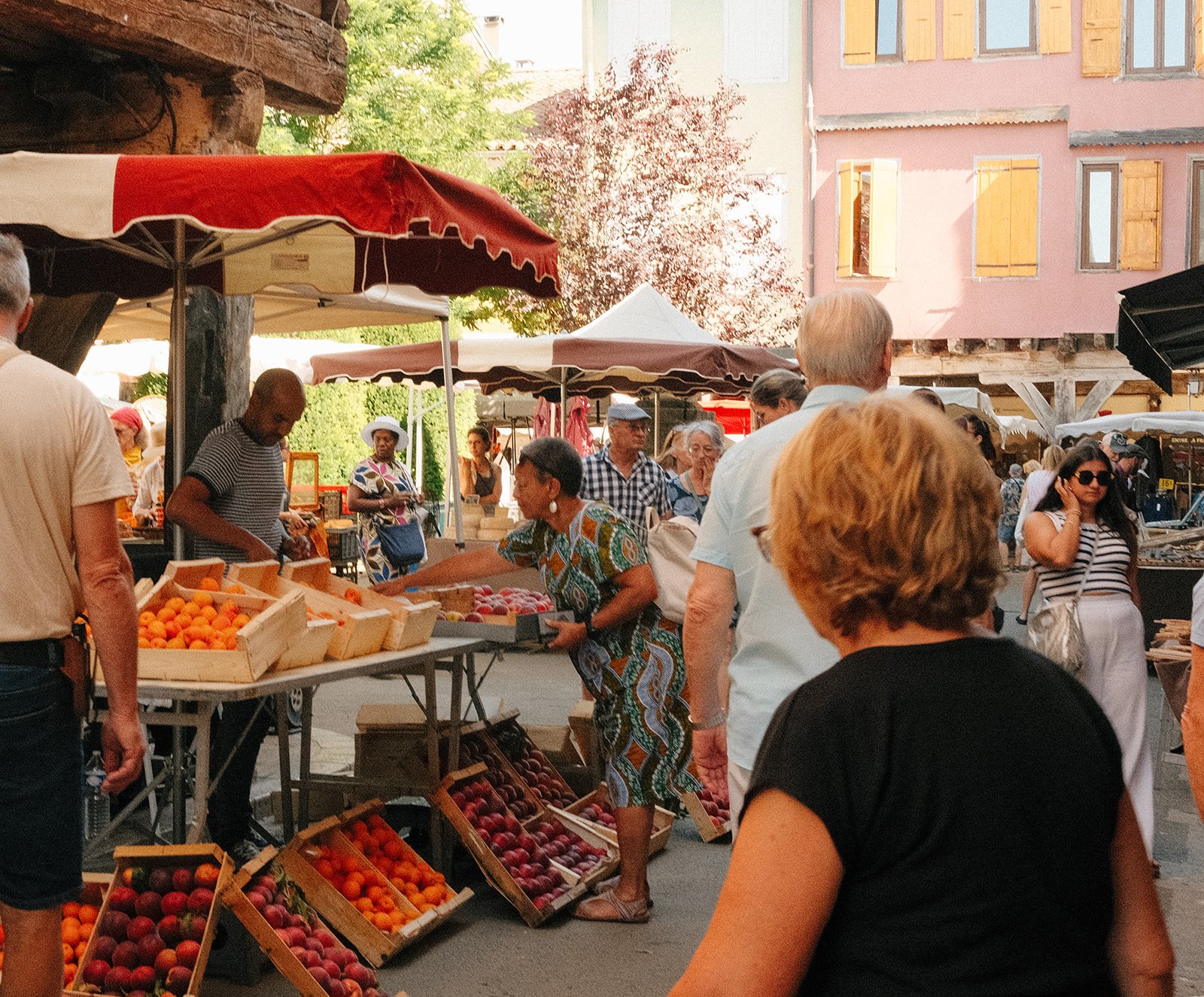
Camon itself is a small, quiet village. Just 15 minutes away, Mirepoix offers a lively market square with local produce, crafts, and cafés. For history enthusiasts, Montségur—a famous Cathar castle ruin—is about an hour’s drive and provides incredible views along with its fascinating past.
Other nearby highlights include prehistoric caves like Niaux and Mas d’Azil, which are open for tours and showcase ancient art and geological formations. Whether you’re looking for outdoor activities or a relaxed day exploring local villages, the Ariège region has plenty to offer without feeling overcrowded or touristy.
-
L’Abbaye-Château de Camon is located at L’ Abbaye-Château de Camon, 09500 Camon, France.
Use that link to avoid getting directions to the wrong Camon, France!
Toulouse to Camon → Toulouse Airport is a 1 hr 15 min drive from Camp.
Free shuttles to and from Toulouse Airport are available on arrival and check out days. You can access shuttle bookings, scheduling and payment in your customer portal.
Rental cars are available at Toulouse airport and there is plenty of free parking available at camp.
Barcelona to Camon → Camon is a 3 hr 45 minute drive from Barcelona Airport
For many more tips on travel around France, please visit the tour guides in-app.
-
Camon (0 min) – A fortified village nicknamed "Little Carcassonne," known for its abbey and rose-lined streets, especially vibrant during May’s rose festival.
Mirepoix (15 min) – A medieval town with a timber-framed market square and a lively Monday market full of local crafts and produce.
Montbel (15 min) – A peaceful lake surrounded by forests, great for swimming, kayaking, or picnicking.
Montségur (30 min) – Famous Cathar castle ruins offering stunning views and a glimpse into its dramatic medieval history.
Roquefort-les-Cascades (30 min) – Scenic waterfalls surrounded by greenery, ideal for a short nature walk.
Saint-Lizier (1 hr) – A UNESCO-listed village with Roman-era cathedrals and panoramic views of the Pyrenees.
Carla-Bayle (1 hr) – A hilltop village with art galleries and sweeping views, especially beautiful at night.
-
Mas d’Azil Cave (30 min) – A massive cave system carved by the Arize River, featuring prehistoric relics and a road running through its immense caverns.
Lake Montbel (15 min) – A large turquoise lake surrounded by forests, perfect for swimming, kayaking, or hiking along its peaceful trails.
Ars Waterfall (1 hr) – One of the Pyrenees’ most beautiful waterfalls, with a three-tiered cascade that’s especially impressive in spring.
Bethmale Lake (1 hr) – A picturesque alpine lake surrounded by lush forests, ideal for fishing, picnicking, or a quiet walk.
Ariège Pyrenees Regional Natural Park (Immediate surroundings) – Explore diverse landscapes with hiking trails, scenic viewpoints, and abundant wildlife across 40% of the region.
Orlu Nature Reserve (1 hr) – A tranquil spot for hiking and spotting wildlife like chamois and marmots in their natural habitat.
-
Foix Castle (40 min) – A medieval fortress turned interactive museum where you can explore the lives of the Counts of Foix and enjoy panoramic views from its towers.
Roquefixade Castle (30 min) – Perched on a cliff, these ruins offer sweeping views of the Pyrenees and a glimpse into Ariège’s military history.
Château de Lagarde (10 min) – Impressive castle ruins near Camon, perfect for exploring and photographing its dramatic arches and walls.
Montségur Castle (30 min) – A Cathar stronghold atop a rocky peak, offering stunning views and a deep connection to medieval religious history.
Prehistoric Park in Tarascon-sur-Ariège (45 min) – A family-friendly site with hands-on workshops about prehistoric life, including cave art and archaeology activities.
Niaux Cave (1 hr) – Famous for its ancient rock art, including detailed animal drawings in the Salon Noir chamber. Tours provide an authentic look at prehistoric creativity.
Go to: